 +86-18968933800
 No.515, Lingxi Strait Avenue, Cangnan, Wenzhou, Zhejiang, China


 English
 Français
 Español
 Deutsch
Blog ·
Blog ·
Blog ·
Blog ·
Blog ·
Blog ·
Blog ·
Blog ·
Blog ·
Blog ·
Blog ·
Blog ·
Blog ·
Blog ·
Blog ·
Blog ·

Luxury Custom Acrylic Packaging Boxes for Premium Gift and Product Presentation
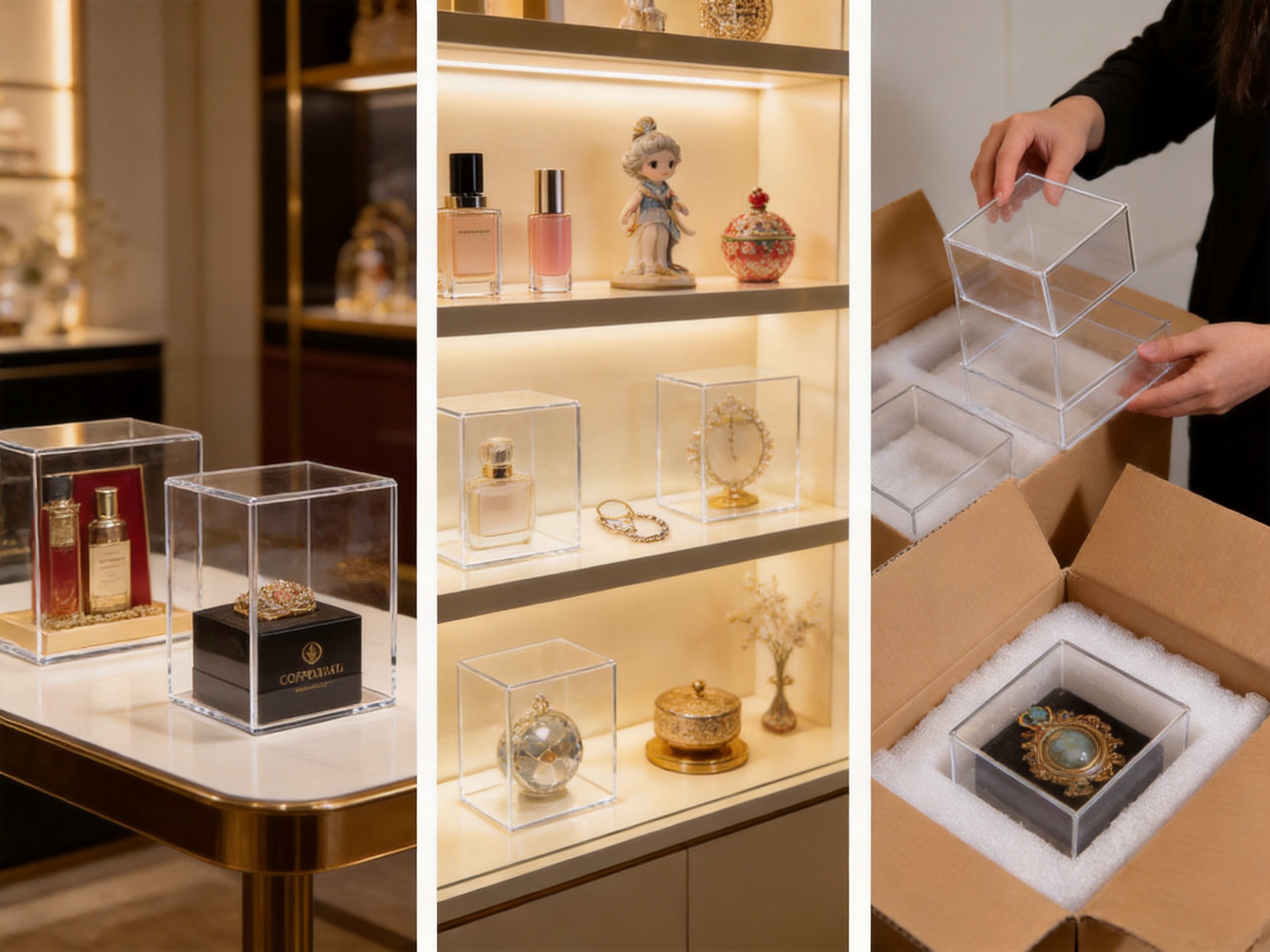
In competitive retail and gifting markets, packaging is no longer only a protective layer around a product. It is part of the product experience, a visual statement of brand quality, and an important tool for merchandising. A well-designed package can protect delicate goods, improve shelf presentation, communicate a brand identity, and encourage customers to keep or reuse the package after purchase. The Luxury Custom Acrylic Packaging Box is developed for businesses that need these functions in one durable, refined, and highly customizable product case.
Made from clear acrylic sheets and produced according to the purchaser’s required dimensions, shape, color, printing, and finishing specifications, this product case is suitable for gifts, cosmetics, jewelry-related products, promotional merchandise, ornaments, collectible items, boutique products, and other retail goods. Its crystal-clear appearance allows the enclosed product to remain visible while the rigid structure provides dependable protection during display, storage, and transportation.
Unlike ordinary paper boxes, thin plastic packaging, or generic storage containers, a custom acrylic case offers a more substantial and reusable presentation. It can be designed to fit a particular product rather than forcing the product into a standard package. This makes it especially useful for corporate gifting companies, promotional product suppliers, toy distributors, gift retailers, event planners, wedding contractors, home décor stores, and brand owners seeking a premium presentation.
Why Acrylic Packaging Creates a Stronger Product Experience
Packaging influences how customers judge a product before they use it. A product placed in a weak, poorly fitted, or visually unclear package may appear less valuable even when its internal quality is high. Acrylic packaging helps solve this problem by combining transparency, structure, and design flexibility.
The clear surface provides an unobstructed view of the product from multiple angles. This is valuable for goods with attractive shapes, detailed artwork, special colors, polished surfaces, or collectible features. Customers can inspect the item without opening the package, while retailers can present products neatly on shelves, counters, display cabinets, or showroom tables.
The rigid acrylic construction also gives the package a more permanent appearance than disposable packaging materials. When the case is designed with accurate dimensions, smooth edges, and suitable opening or closing components, it can function as both packaging and a long-term display case. This dual purpose increases the perceived value of the package and may encourage consumers to reuse it for storage or collection display.
For corporate gifts and event souvenirs, a transparent case makes logos, printed messages, and product details easy to see. For retail products, it helps create a consistent visual language across multiple product sizes and styles. For limited-edition merchandise, it can provide an elevated presentation that supports premium pricing and stronger customer engagement.
Product Overview and Main Specifications
The Luxury Custom Acrylic Packaging Box is a modern rectangular acrylic product case that can be manufactured in customized dimensions. The standard product information identifies acrylic as the primary material, with a contemporary style, customized processing, customizable colors, and a rectangle as the standard shape. However, the production process can be adjusted for other shapes and product requirements after technical confirmation.
| Product Feature | Specification or Available Option |
| Product type | Custom acrylic packaging box and luxury product case |
| Primary material | Acrylic |
| Standard shape | Rectangle |
| Design style | Modern and customizable |
| Sheet thickness | Approximately 2–3 mm, depending on design and application |
| Size | Customized size |
| Color | Customized color |
| Surface decoration | Full-color printing, laser engraving, and customized finishing |
| Processing | Cutting, drilling, printing, engraving, shaping, polishing, and assembly |
| Application | Gifts, cosmetics, boutique products, ornaments, collectibles, and promotional items |
| Packaging unit | Single item |
| Reference package size | Approximately 21.0 × 11.0 × 19.0 cm |
| Reference gross weight | Approximately 2.0 kg per unit |
The dimensions, weight, sheet thickness, internal supports, closure method, and packaging configuration may vary according to the final design. This flexibility is important because different products require different levels of protection and presentation. A lightweight gift ornament may need a compact case with printed graphics, while a larger display piece may need thicker material, reinforced edges, internal holders, and stronger outer shipping protection.
Material Advantages of High-Quality Acrylic
Acrylic is widely used in display and packaging applications because it provides a balance of transparency, rigidity, processability, and visual appeal. When correctly selected and processed, acrylic can create a clean, glass-like appearance while offering a lighter and more versatile solution for many commercial applications.
Crystal-Clear Product Visibility
One of the principal advantages of acrylic is its transparency. Clear acrylic allows customers to see the packaged item without opening the box. This is particularly useful for jewelry-related gifts, figurines, ornaments, cosmetics, decorative products, and branded merchandise where appearance is an important part of the purchase decision.
Transparent presentation also reduces the need for excessive printed packaging. Instead of covering the product with a large printed carton, a brand can use selective printing, a logo, a small information panel, or an elegant engraved mark while allowing the product itself to remain the main visual focus.
Rigid and Protective Construction
Compared with flexible bags or thin film packaging, acrylic panels provide greater structural stability. The box can help protect products from dust, accidental contact, surface scratches, and deformation during normal display and handling. The material’s impact resistance makes it suitable for long-term commercial use when the correct thickness and construction method are selected.
Protection performance depends on the complete package design. Corners, joints, closures, internal supports, and outer shipping cartons must all be considered. The manufacturing team can adjust these elements according to the product’s weight, shape, fragility, and transportation conditions.
Lightweight Alternative to Glass
Acrylic can deliver a premium transparent appearance without the same weight and breakage concerns commonly associated with glass. Lower weight may help reduce handling difficulty and transportation costs, especially when products are shipped in bulk. The lighter construction can also make retail displays easier to install and rearrange.
Although acrylic is durable, it should still be handled with appropriate care. Protective films, suitable packing materials, and correct cleaning procedures help preserve the surface during manufacturing, shipment, and retail use.
Flexible Fabrication
Acrylic can be cut, drilled, engraved, printed, bent, polished, and assembled into many forms. This enables the packaging case to follow a brand’s visual concept rather than limiting the design to a standard box. Rounded corners, windows, slots, holes, layered graphics, internal dividers, and special display components can be incorporated into the production plan.
Advantages Compared with Conventional Packaging
Standard paper cartons remain useful for many products, but they may not provide the visibility, rigidity, and lasting display value required by premium merchandise. A custom acrylic box offers several practical advantages when the purchaser needs a package that works as both a protective container and a presentation tool.
Improved Visibility Over Opaque Cartons
Opaque cartons conceal the product until the customer opens them. This can be appropriate for products that do not require visual inspection, but it may reduce the effect of a beautifully designed item. Acrylic allows the product to sell itself visually. Customers can see the color, shape, surface finish, and design immediately.
Longer Display Life Than Disposable Packaging
Many paper boxes are designed to be discarded after opening. An acrylic case can remain useful after purchase. Customers may use it to display a collectible, protect a keepsake, store accessories, or organize small items. This extends the contact between the customer and the brand while reducing the impression of single-use packaging.
More Precise Product Fit
Generic packaging may leave excessive empty space around the product or require additional filler material. A custom acrylic case can be produced according to the product’s dimensions, allowing the package to look more professional and reducing unnecessary movement inside the box. Internal holders, partitions, bases, and supports can be designed where necessary.
Stronger Premium Positioning
Transparency, polished edges, precise printing, and rigid construction create a more premium impression than many low-cost packaging formats. This is useful for luxury gifts, boutique products, branded event merchandise, corporate awards, and limited-edition goods where the package contributes to the perceived value of the item.
Better Brand Consistency
Custom acrylic packaging can use the same logo, colors, typography, patterns, and finishing style as other brand materials. Repeated use of consistent packaging across product lines can improve visual recognition. Different box dimensions can still share common design elements, creating a coordinated collection for retail shelves or corporate gifting programs.
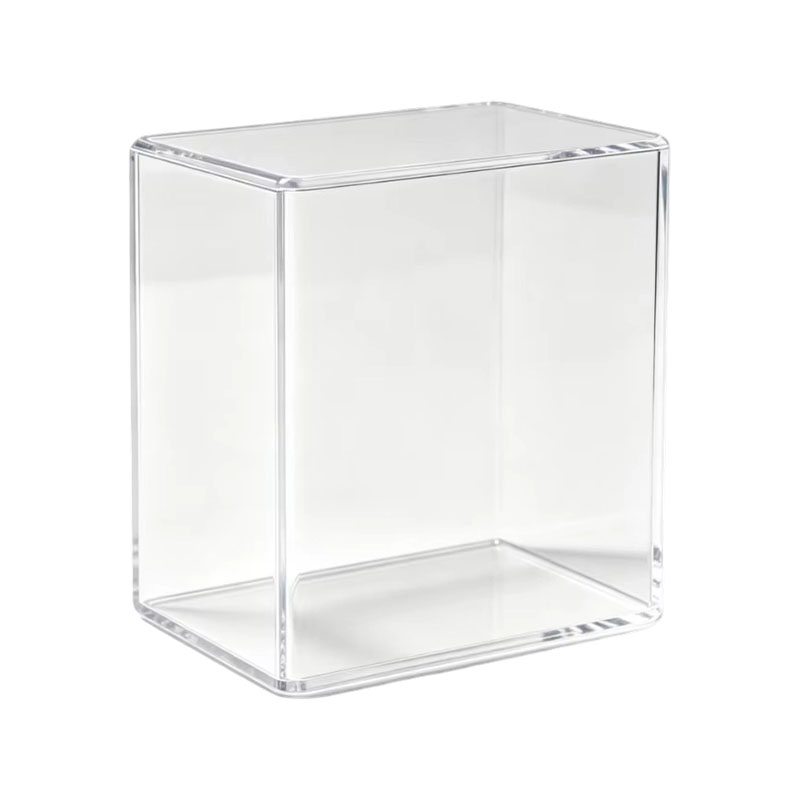
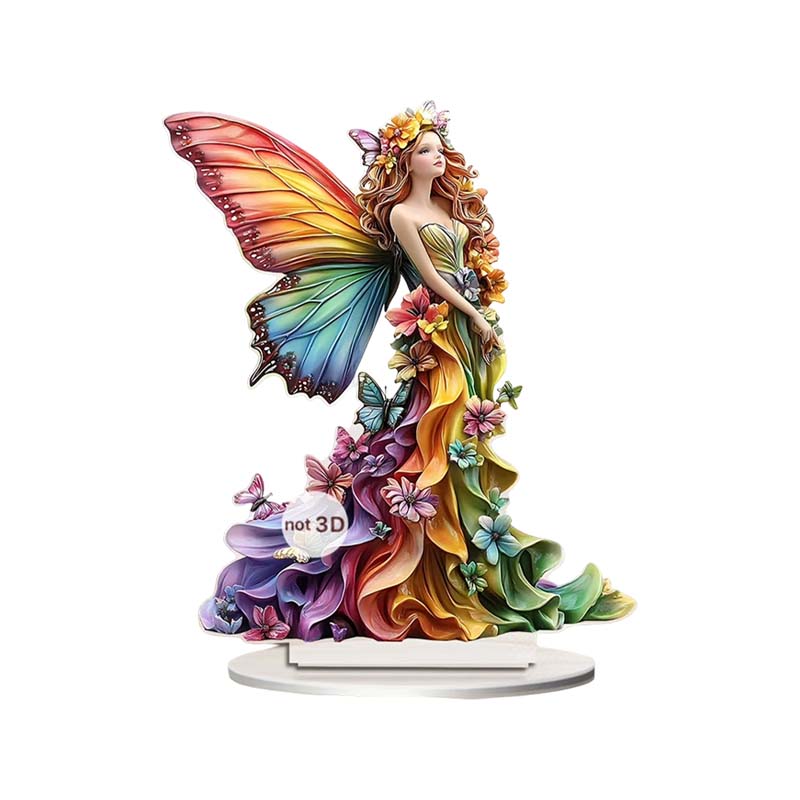
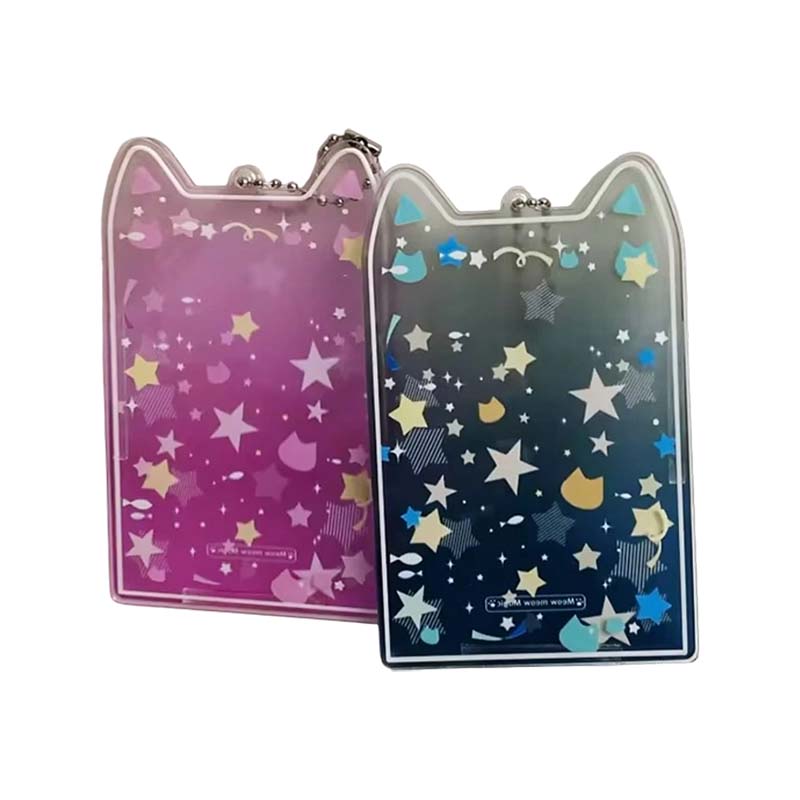
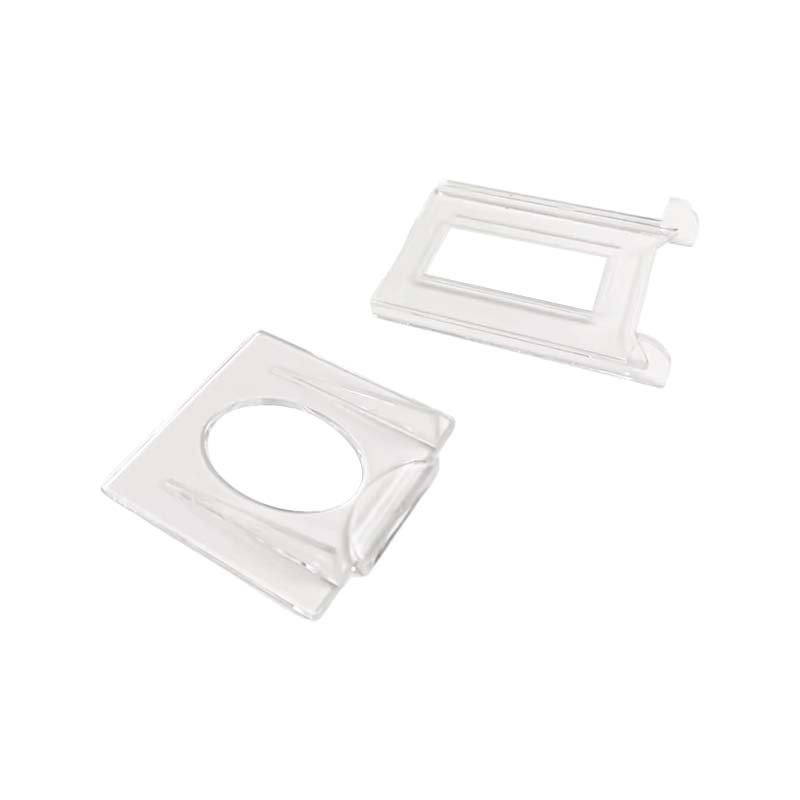
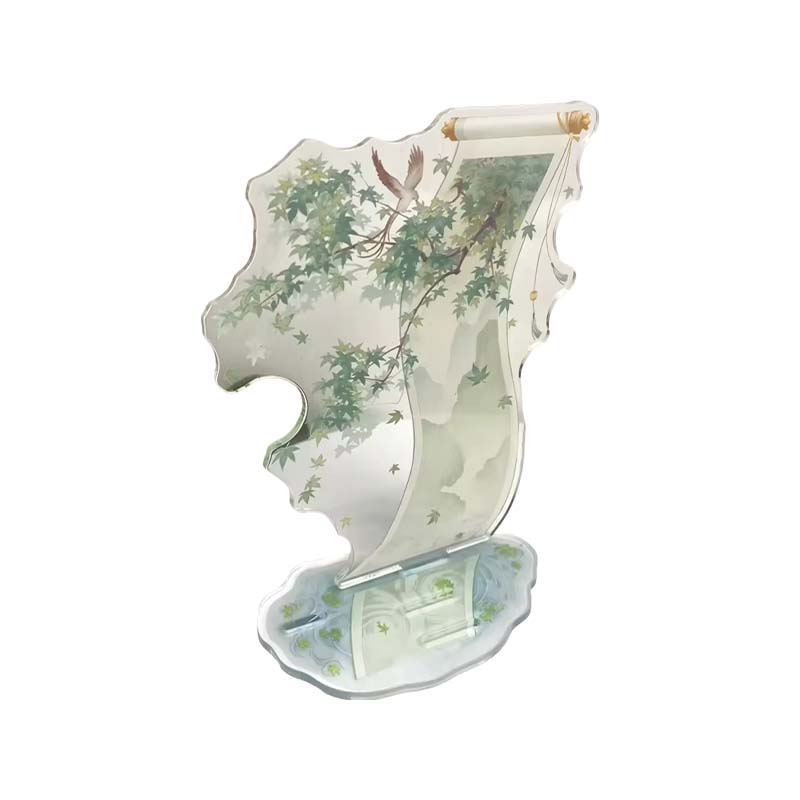
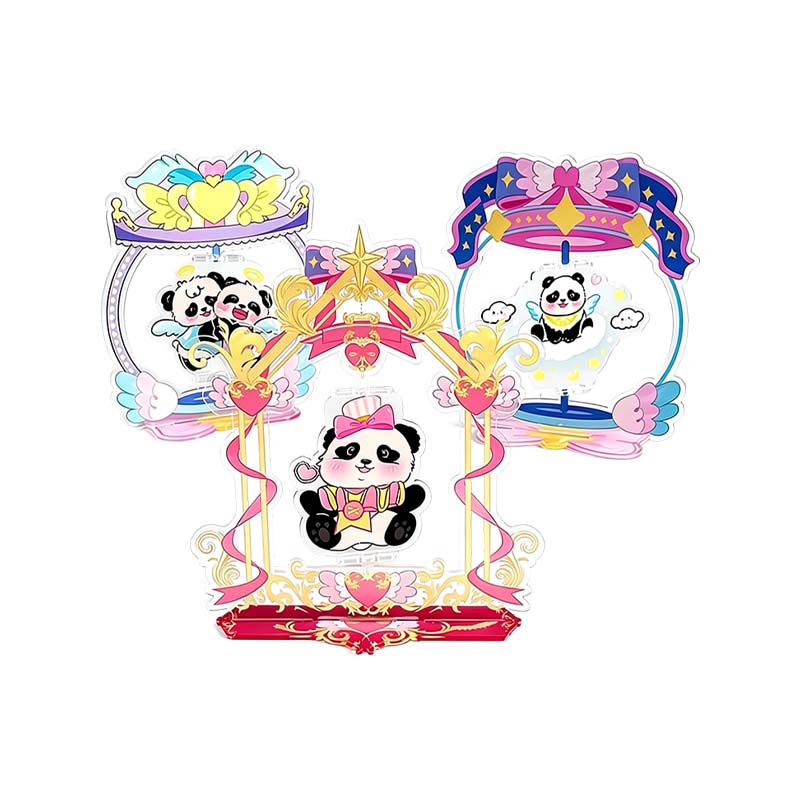
Custom Acrylic Gift Packaging Box Luxury Product Case
Customization Options for Different Markets
Customization is central to the value of this product. The manufacturer supports OEM and ODM services so buyers can develop a packaging solution around a specific product, campaign, customer group, or sales channel. The objective is not simply to add a logo to a standard box, but to create a package that matches the product’s function and commercial positioning.
Customized Size and Shape
Size is one of the first factors to confirm during development. The internal dimensions should provide sufficient room for the product and any protective insert, while the outer dimensions should remain practical for storage, shipping, and retail display. Oversized packaging may increase logistics expenses, whereas packaging that is too tight may create pressure points or make the product difficult to remove.
The standard form is rectangular, but customized fabrication can support additional shapes and design features. A box may include angled panels, curved corners, stepped layers, display bases, top windows, cut-out sections, or product-specific compartments. CNC cutting and laser processing help maintain accuracy when the design includes detailed outlines or repeated components.
Logo Printing and Full-Color Graphics
Full-color UV printing can be used to apply logos, product artwork, brand patterns, instructions, campaign messages, and decorative images. Printing may be placed on the front, back, sides, lid, or internal panels. Depending on the design, transparent, translucent, opaque, or layered effects can be created.
Two-sided printing is especially useful when the case is viewed from several directions. A logo or decorative element can be positioned on both sides to maintain a consistent appearance in a display cabinet or open retail arrangement. Artwork should be supplied in a high-resolution format, with dimensions and color expectations confirmed before production.
Laser Engraving
Laser engraving creates a permanent mark by removing or altering a controlled layer of the acrylic surface. It can be used for logos, names, serial numbers, signatures, patterns, event dates, and decorative lines. Engraving is suitable for businesses that want a restrained, refined finish instead of a highly colorful graphic.
For corporate gifts and commemorative products, engraving can make each package feel more personal. Names, employee numbers, anniversary dates, or recipient information can be added where the production quantity and data management process allow it.
Color and Surface Treatment
Although clear acrylic is a popular choice, color can be customized to coordinate with a brand or product collection. Options may include transparent colors, solid tones, frosted effects, translucent panels, or combinations of clear and colored components. Surface treatments can be selected according to the desired level of gloss, visual softness, and light transmission.
Special finishes should be tested with the final artwork and product sample. A color that appears correct on a digital screen may look different when printed on transparent material. Sampling is therefore an important step for buyers with strict brand guidelines.
Internal Presentation Components
The outer case is only one part of the packaging system. Internal components can help position the product, prevent movement, and improve unboxing. Depending on the product, the package may include an acrylic base, a printed card, a shaped insert, a divider, a raised platform, a ribbon, a support bracket, or a custom holder.
For jewelry-related products, holes and slots can be positioned precisely for chains, cords, hooks, or small components. Smooth drilling and polished edges help prevent damage to the product or its attachment materials. For ornaments and collectible items, a stable base can keep the item upright during display.
Advanced Manufacturing Process
The quality of a custom acrylic case is determined by more than the raw material. Design preparation, cutting accuracy, edge treatment, printing control, assembly, inspection, and packing must work together. Wenzhou Chuangheng Packaging Co., Ltd. operates a one-stop customization process covering design, material cutting, printing, shaping, polishing, and packaging.
Design Consultation and Technical Review
Production begins with a review of the product, target dimensions, intended use, artwork, quantity, and delivery requirements. The design team evaluates the product’s weight, contact points, opening method, viewing angles, and likely display environment. This helps identify potential issues before material is cut.
For customers without complete technical drawings, the graphic design team can assist with layout development and design drafts. The company states that design drafts can be prepared within approximately two hours for suitable projects. The actual timing depends on the complexity of the concept, the availability of product dimensions, and the number of revisions required.
A technical review may also confirm acrylic thickness, panel connections, printing locations, engraving depth, hole positions, tolerances, and packing requirements. This stage reduces avoidable errors and supports more predictable bulk production.
CNC Cutting and Laser Cutting
Computer-controlled cutting equipment is used to create accurate panel shapes and detailed outlines. CNC cutting is useful for larger components, shaped parts, and designs requiring consistent dimensions. Laser cutting is effective for intricate patterns, small components, lettering, and precise decorative features.
Accurate cutting is important because small dimensional differences can affect assembly, corner alignment, lid fit, and overall appearance. Smooth cutting also reduces the amount of manual correction required after fabrication. For large decorative products, the manufacturer indicates that custom acrylic ornaments can be produced up to approximately 120 cm, subject to design review and production conditions.
Edge Finishing and Polishing
After cutting, acrylic edges may require deburring, sanding, flame polishing, diamond polishing, or other finishing operations. The objective is to create clean, smooth edges that are safer to handle and more attractive in a transparent package.
Edge quality is especially visible in a clear case because light passes through the material and highlights the panel perimeter. Poorly finished edges may appear cloudy, rough, or uneven. Careful polishing improves the visual clarity of the structure and contributes to a more refined finished product.
Precision Drilling and Component Preparation
Drilled holes may be needed for hinges, cords, fasteners, display hooks, internal supports, or jewelry-related components. Precision hole drilling ensures accurate positioning and helps prevent cracks, sharp edges, or misalignment. The drilling method and hole size are selected according to the acrylic thickness and component requirements.
All holes and cut-outs should be reviewed against the assembly drawing. A small position error can affect the fit of a lid, the alignment of a printed panel, or the stability of a mounted product. Controlled production procedures help maintain repeatability across large orders.
UV Printing and Laser Engraving
UV printing supports detailed, full-color graphics directly on suitable acrylic surfaces. It can produce vivid artwork, logos, text, and patterns with strong visual contrast. White ink or layered printing may be considered when the design must remain visible on clear or colored panels.
Laser engraving provides a different visual effect. It is useful for subtle branding, line art, serial marks, and text that should appear integrated into the acrylic surface. The company’s equipment includes UV printers and engraving machines, allowing buyers to select a decoration method that fits the product concept rather than relying on one standard process.
Shaping and Assembly
Some acrylic designs require bending or shaping after cutting. Controlled heating can form panels into curved or angled components. Assembly may involve acrylic solvent bonding, mechanical fasteners, hinges, magnets, bases, or other suitable hardware. The assembly method is selected according to the desired appearance, strength, opening frequency, and product weight.
For premium presentation cases, joint visibility should be considered during design. A clean assembly plan can minimize distracting seams and keep the product as the visual focal point. The manufacturer’s experience with cutting, shaping, polishing, and packaging supports the development of integrated solutions rather than isolated individual parts.
Quality Inspection and Protective Packing
Quality inspection may include checking dimensions, surface clarity, edge smoothness, print alignment, engraving consistency, hole position, assembly stability, and accessory quantity. Transparent protective films can help prevent scratches during handling. Individual units may then be packed with suitable cushioning and placed into outer cartons for shipment.
Packaging and delivery requirements vary by order. The listed reference package size is approximately 21.0 × 11.0 × 19.0 cm, with an approximate gross weight of 2.0 kg per unit, but the final package depends on the confirmed product design. Sea freight, air freight, and express delivery are available according to urgency, order volume, destination, and budget.
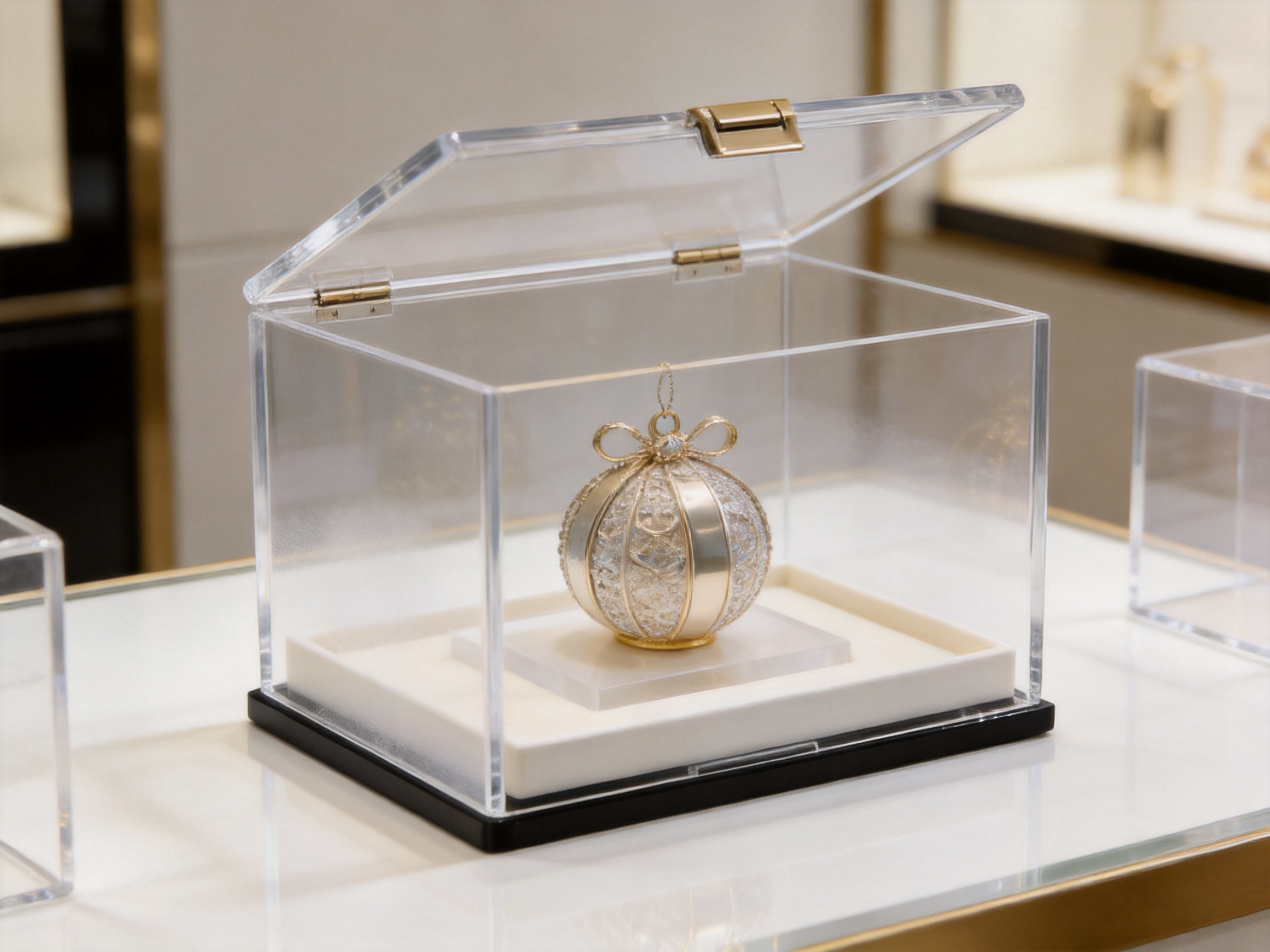
Factory Capabilities and Service Strengths
Wenzhou Chuangheng Packaging Co., Ltd. is a source manufacturer specializing in customized acrylic cultural and creative products. Its product range includes acrylic standees, keychains, clips, fridge magnets, figure display cases, metal badges, wall hooks, ornaments, and other acrylic gifts. This broader product experience is useful for buyers who want to develop coordinated merchandise and packaging from one supplier.
Integrated Equipment
The factory is equipped with UV printers, engraving machines, laser cutting machines, and other specialized production equipment. The combination of these machines supports a broad range of decoration and fabrication requirements. Buyers can request printed, engraved, shaped, drilled, or layered components within the same product development process.
Integrated equipment can also reduce communication complexity. Instead of coordinating separate suppliers for cutting, printing, engraving, and packaging, a buyer can work through one manufacturing partner. This may simplify artwork confirmation, sampling, production scheduling, and quality communication.
One-Stop OEM and ODM Support
OEM services are suitable for buyers who already have product specifications, drawings, brand guidelines, or packaging concepts. ODM support is valuable for purchasers who have a general idea but need assistance with product development, structure, decoration, and production feasibility.
The service scope includes logo printing, shape adjustment, size modification, packaging solutions, and bulk production. This makes the manufacturer suitable for brand owners, importers, retailers, marketing agencies, event planners, and corporate procurement departments with different levels of design readiness.
Fast Design and Sampling Support
Time is an important factor in promotional merchandise, seasonal gifts, event souvenirs, and product launches. The company reports that its experienced graphic design team can provide design drafts within approximately two hours for suitable requests and that urgent samples may be completed within 24 hours.
These timeframes should be confirmed for each project because complexity, artwork quality, sample quantity, finishing requirements, and approval speed affect the final schedule. Even so, a responsive design and sampling process can help customers identify problems before committing to mass production.
International Trade Experience
The company serves customers in South Korea, Japan, the United States, and other international markets. Experience with overseas customers can support communication about specifications, export packing, shipping methods, documentation, and delivery schedules.
For international buyers, production quality is only one part of supplier evaluation. Responsiveness, clear quotation details, sample approval, packaging protection, and after-sales communication also influence the success of a project. A supplier familiar with foreign trade can help make these stages more organized.
Quality Management
The factory identifies itself as ISO 9001 certified. A certified quality management system indicates that documented procedures are used to support consistent production and quality control. Certification does not remove the need for product-specific inspection, but it provides a structured foundation for managing manufacturing activities.
Buyers with strict quality requirements may request approved samples, inspection standards, color references, packaging specifications, and pre-shipment inspection arrangements. These details should be confirmed before production begins so that the supplier and purchaser share the same acceptance criteria.
Applications Across Commercial Markets
Corporate Gifts and Branded Merchandise
Corporate procurement teams, marketing agencies, and human resources departments can use custom acrylic packaging for employee gifts, client souvenirs, company anniversary products, awards, and promotional campaigns. The box can carry a company logo, event date, slogan, or personalized message while presenting the gift in a clean and professional manner.
For large corporate programs, consistency is important. The same box structure can be used across multiple gift items, while printing or internal inserts can be changed for different departments, clients, or events. This supports a unified campaign without eliminating customization.
Wedding and Event Souvenirs
Wedding planners, party contractors, and event organizers can use acrylic cases for commemorative ornaments, miniature decorations, guest gifts, table souvenirs, and themed merchandise. Names, dates, initials, and event graphics can be printed or engraved on the case.
Clear packaging allows the souvenir to become part of the table or display décor. The case can also protect small decorative pieces until the event begins and help guests transport the souvenir afterward.
Gift Shops and Retail Stores
Gift shop operators and home décor retailers often need packaging that attracts attention on shelves and counters. A transparent acrylic case creates an open presentation while reducing direct customer contact with the product. This can help maintain product condition in high-traffic retail environments.
Retailers can order a range of sizes and designs for different product categories. Coordinated packaging may help create a recognizable store collection, particularly when the products are handmade, limited edition, or positioned as premium gifts.
Cosmetics and Boutique Products
Cosmetics, fragrance accessories, small beauty tools, and boutique products can benefit from packaging that displays the item while supporting a refined brand image. A clear case can be combined with colored acrylic, engraved details, printed patterns, or a branded base.
Product-specific inserts can prevent movement and improve the unboxing sequence. If the packaging is intended for direct retail sale, the final design should also account for product labeling, barcode placement, care instructions, and shipping durability.
Toys, Collectibles, and Figurines
Toy suppliers and collectible brands can use acrylic cases to display figures, miniature models, character merchandise, and limited-edition items. Visibility is particularly important when the product’s shape and artwork are major selling points.
The package may be designed as a simple protective box or as a more complete display case with a base, background graphic, internal platform, or themed printed panel. Custom sizing helps reduce movement and keeps the collectible in a stable viewing position.
Jewelry-Related Gifts and Small Accessories
Small jewelry-related products, charms, ornaments, and accessories may require drilled holes, slots, cords, hooks, or shaped internal supports. Precision processing helps ensure that the components are positioned correctly and that edges do not damage chains, threads, or cords.
Double-sided printing and engraving can make the package attractive from all viewing angles. This is useful for open displays, counter presentations, and gift sets that may be handled or rotated by the customer.
Ordering and Project Development Process
A clear development process helps reduce delays and prevents misunderstandings. Buyers should provide as much information as possible at the beginning, including product dimensions, quantity, artwork, preferred material appearance, packaging expectations, target market, and required delivery date.
Step One: Share the Product and Design Brief
The first stage is to provide photographs, drawings, measurements, reference samples, and brand assets. If the package must hold a specific product, the supplier should understand the product’s maximum dimensions, weight, fragile areas, accessories, and method of removal.
The design brief should also identify whether the package is intended primarily for shipping, retail display, gifting, long-term storage, or a combination of these functions. This information affects material thickness, internal supports, closure design, and outer carton requirements.
Step Two: Confirm Structure and Artwork
The supplier prepares or reviews the structure and decoration plan. Buyers should check the dimensions, panel arrangement, opening direction, logo position, color, text, engraving, and any internal components. It is helpful to review a digital proof or physical sample before bulk production.
Artwork should be supplied in a suitable format and at sufficient resolution. Text should be checked carefully, especially when the order includes multiple languages, names, dates, or variable information.
Step Three: Approve the Sample
A sample allows the buyer to evaluate the actual material clarity, size, print quality, edge finish, assembly, product fit, and opening experience. A sample may reveal practical issues that are not obvious in a digital drawing, such as excessive movement, tight tolerances, difficult access, or insufficient support.
For color-sensitive projects, the approved sample or color reference should be treated as the production standard. If the buyer changes the design after sample approval, the production schedule and quotation may need to be revised.
Step Four: Confirm the Bulk Order
After approval, the buyer and supplier confirm quantity, unit price, payment terms, lead time, shipping method, packing details, and inspection requirements. The listed payment terms include T/T and L/C at sight. The approximate lead time is 30 days after order confirmation, although the actual schedule depends on product complexity, quantity, artwork approval, and production capacity.
Step Five: Production, Inspection, and Shipment
During production, the supplier cuts, prints, engraves, shapes, polishes, assembles, inspects, and packs the cases. Buyers may request production updates or inspection records depending on the order requirements. Completed goods can be shipped by sea freight, air freight, or express delivery.
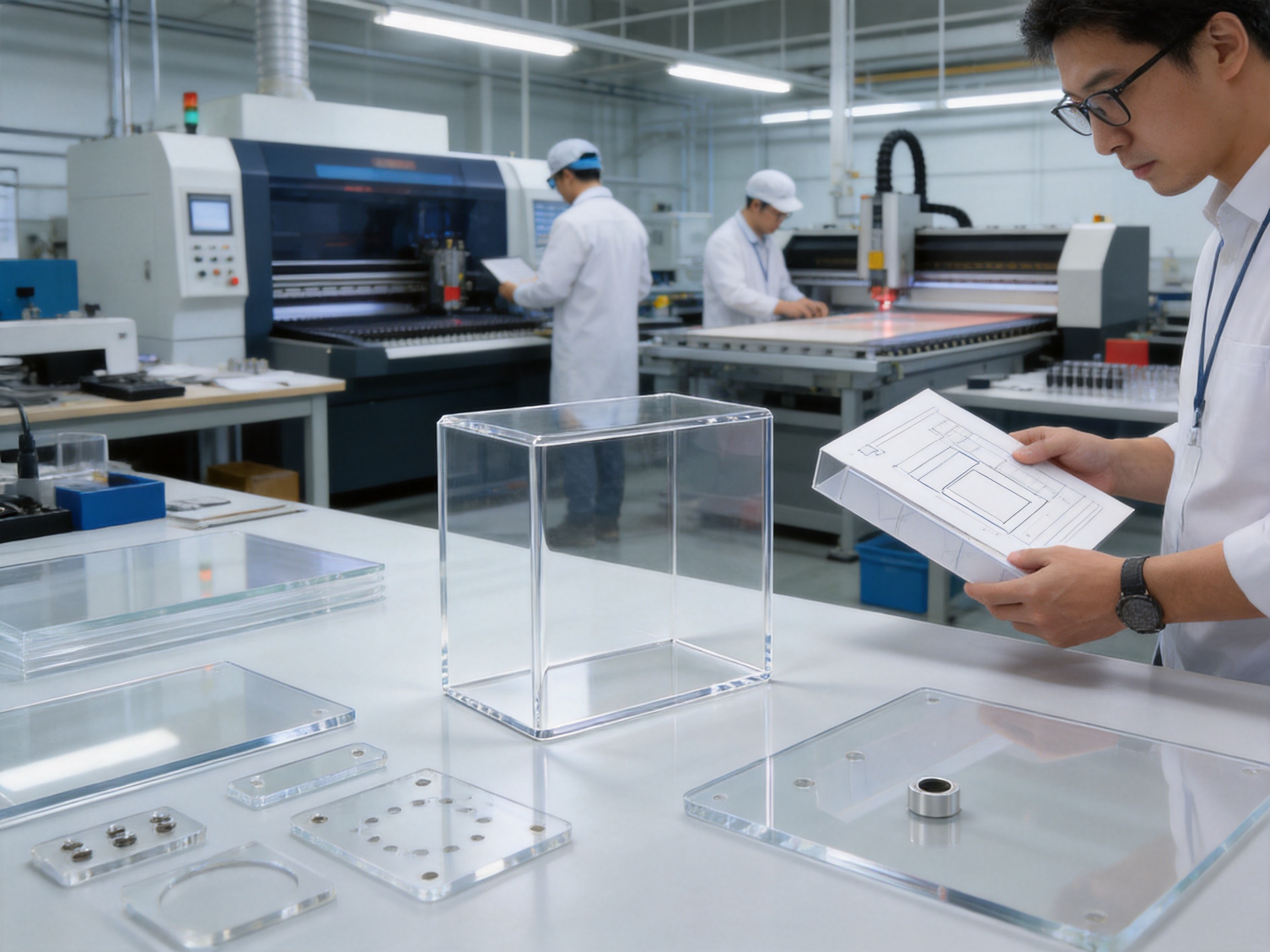
How to Choose the Right Acrylic Packaging Design
The best package is not always the largest, thickest, or most decorated option. It should be appropriate for the product, sales channel, customer expectations, and budget. Several factors should be considered before finalizing the design.
Match Thickness to Product Requirements
Acrylic thickness should be selected according to the box size, panel span, product weight, handling frequency, and desired rigidity. The reference product uses approximately 2–3 mm acrylic, but larger cases or heavier products may require a different specification. Excessive thickness can add cost and weight, while insufficient thickness may reduce stability.
Plan for Shipping Conditions
A display case that looks excellent in a showroom may require additional protection during international transport. Buyers should consider vibration, stacking, temperature changes, impact, and handling. Protective film, individual cushioning, dividers, and strong outer cartons can reduce the risk of scratches or breakage.
Balance Decoration and Product Visibility
Printing and engraving should support the product rather than hide it. A small logo, border, or patterned panel may create a more elegant appearance than covering every surface with graphics. For some products, a transparent front and decorated side panels provide the best balance between branding and visibility.
Consider the Unboxing Experience
The customer should be able to open the package without unnecessary difficulty. Lids, magnetic closures, pull tabs, hinges, and removable panels can be selected according to the product and desired experience. If the package is intended for children, elderly users, or event distribution, ease of opening becomes especially important.
Design for Reuse
A reusable case can provide continuing value after the original product is removed. Buyers may consider whether the package can store the product safely, display it on a shelf, or hold related accessories. Reuse can strengthen the customer’s relationship with the brand and improve the practical value of the packaging.
Care and Handling Recommendations
Acrylic surfaces should be handled with clean hands or soft gloves during installation and display. A soft microfiber cloth can be used to remove dust. Abrasive pads, rough paper towels, strong solvents, and harsh chemical cleaners should be avoided because they may scratch, cloud, or damage the surface.
Protective films should remain on panels until the case is ready for final assembly or display. When removing the film, the operator should avoid using sharp tools against the acrylic surface. Cases should be stored in a dry, clean environment and should not be stacked in a way that places excessive pressure on corners or lids.
For retail display, direct exposure to intense heat or prolonged sunlight should be evaluated according to the material, print, and product requirements. If the case contains a delicate item, the entire display environment should be considered, including temperature, humidity, and handling frequency.
Frequently Asked Questions
Q1: What is the minimum order quantity for custom acrylic packaging and gifts?
The stated minimum order quantity for custom acrylic ornaments and gifts is 100 pieces. The final MOQ for a specific acrylic packaging box should be confirmed according to the structure, printing method, material usage, and production requirements. Flexible options may be available for corporate gifts, event souvenirs, retail resale, and trial orders.
Q2: Can the packaging box be customized with a logo?
Yes. Logo customization can be completed through full-color printing, laser engraving, or a combination of decoration methods. The logo may be placed on the lid, front panel, side panel, base, or internal insert according to the design.
Q3: Can the size and shape be changed?
Yes. The packaging case supports customized dimensions and shape adjustments. The standard form is rectangular, but the manufacturer can review other shapes, angled panels, rounded corners, compartments, holes, and display features based on drawings or product samples.
Q4: What acrylic thickness is available?
The reference specification uses acrylic sheets approximately 2–3 mm thick. The appropriate thickness may change according to the overall dimensions, product weight, panel span, required rigidity, and display environment. Buyers should confirm the final thickness during technical review.
Q5: Can both sides be printed or engraved?
Yes. Double-sided printing and engraving are available for designs that need to be viewed from multiple angles. The artwork, surface treatment, transparency requirements, and production method should be confirmed before sampling.
Q6: Can the box be supplied with custom internal packaging?
Yes. Personalized packaging solutions can include custom gift boxes, OPP bags, branded packaging, inserts, bases, dividers, and other internal presentation components. The best solution depends on the product size, fragility, display position, and desired unboxing experience.
Q7: What is the largest size that can be produced?
The manufacturer indicates that custom acrylic ornaments can be produced up to approximately 120 cm, with CNC cutting for accurate shaping and smooth edges. The maximum practical size for a packaging box depends on panel dimensions, thickness, assembly method, shipping limitations, and the product’s weight. A project-specific review is required.
Q8: How long is the production lead time?
The reference lead time is approximately 30 days after order confirmation. The final schedule depends on design approval, sample requirements, order quantity, material availability, printing complexity, assembly, and shipping preparation.
Q9: What shipping methods are available?
Sea freight, air freight, and express delivery are available. Sea freight is generally suitable for larger or less urgent orders, while air freight and express delivery may be considered for samples, urgent campaigns, or smaller shipments. The best method depends on destination, volume, delivery deadline, and budget.
Q10: What payment terms are accepted?
The listed payment terms include T/T and L/C at sight. Specific payment arrangements should be confirmed in the commercial quotation and sales agreement before production begins.
Q11: Is the factory suitable for OEM and ODM projects?
Yes. The factory supports OEM and ODM services covering design customization, logo printing, shape adjustment, size modification, packaging solutions, and bulk production. Buyers can provide completed drawings or request help developing a product concept into a manufacturable acrylic case.
Q12: Does the manufacturer support urgent samples?
The company states that samples for urgent orders may be completed within approximately 24 hours. This depends on the design complexity, artwork readiness, sample quantity, material availability, and approval process. The schedule should be confirmed before placing the sample order.
Conclusion
The Luxury Custom Acrylic Packaging Box is designed for buyers who need more than a basic container. It combines transparent product presentation, rigid protection, custom fabrication, professional decoration, and long-term display value. Its advantages over conventional packaging include clear visibility, precise product fit, stronger premium positioning, greater reuse potential, and broad design flexibility.
The manufacturing process covers technical design, CNC and laser cutting, precision drilling, UV printing, laser engraving, shaping, polishing, assembly, inspection, and protective packing. This integrated process allows the supplier to support a wide range of applications, from corporate gifts and event souvenirs to boutique products, cosmetics, collectibles, ornaments, and retail merchandise.
With OEM and ODM support, customizable dimensions and colors, full-color printing, engraving, international shipping options, and an ISO 9001-certified quality management system, the product is suitable for brand owners, importers, gift retailers, promotional agencies, toy suppliers, event planners, and corporate procurement teams. When the structure and artwork are carefully planned, the acrylic case can protect the product while also becoming an important part of the customer’s purchasing and unboxing experience.
References
1. ISO 9001:2015, Quality Management Systems—Requirements.
2. General principles of acrylic sheet fabrication, including cutting, drilling, polishing, thermoforming, and assembly practices.
3. Packaging design principles for product protection, retail presentation, transport preparation, and reusable consumer packaging.
4. Commercial product information supplied for the Luxury Custom Acrylic Packaging Box and related customized acrylic products.
5. Manufacturer-provided information regarding OEM and ODM services, equipment, applications, lead time, packaging, and quality management.
Product: Custom Acrylic Gift Packaging Box Luxury Product Case

Ready to Begin?
Product Categories
Contact Information
 Email:
kaelissia.shop@gmail.com
 Phone:
+86-18968933800
 Address:
No.515, Lingxi Strait Avenue, Cangnan, Wenzhou, Zhejiang, China
QR Code
Copyright © Wenzhou Chuangheng Packaging Co., Ltd. All rights reserved.
