 +86-18968933800
 No.515, Lingxi Strait Avenue, Cangnan, Wenzhou, Zhejiang, China


 English
 Français
 Español
 Deutsch
Blog ·
Blog ·
Blog ·
Blog ·
Blog ·
Blog ·
Blog ·
Blog ·
Blog ·
Blog ·
Blog ·
Blog ·
Blog ·
Blog ·
Blog ·
Blog ·

Ultra-Thick Acrylic Display Case with Sliding Magnetic Lid: A Clear, Durable Solution for Professional Merchandise Presentation
In retail, exhibitions, brand activations, and collectible merchandising, the display case is more than a protective container. It is part of the customer experience. A well-designed case protects merchandise from dust, accidental contact, scratches, and handling damage while allowing the product to remain fully visible. It also contributes to the perceived value of the item inside. For retailers, licensed product suppliers, animation studios, game companies, event contractors, and corporate marketing teams, the right display case can transform an ordinary product into a professional and memorable presentation.
The Ultra Thick Acrylic Display Case with Sliding Magnetic Lid is designed for buyers who require clarity, stability, customization, and dependable production support. Made from premium acrylic and fabricated with precision CNC cutting, UV printing, and customized finishing techniques, this display case is suitable for both long-term commercial use and special promotional applications. Its sliding lid design supports convenient access, while the magnetic closing function helps keep the lid aligned during display and storage.
Unlike thin, lightly constructed display boxes intended only for temporary household use, this product is positioned as a commercial-grade acrylic display solution. Its substantial material thickness, clear visual presentation, stable rectangular structure, and adaptable customization options make it suitable for collectible figures, promotional merchandise, character products, branded objects, event displays, and other valuable items that require reliable presentation.
Wenzhou Chuangheng Packaging Co., Ltd. supports the product with OEM and ODM services, professional graphic design assistance, advanced production equipment, quality management procedures, and international order experience. Customers can request adjustments to size, shape, printing, engraving, packaging, and other specifications according to their sales channels or display environments.
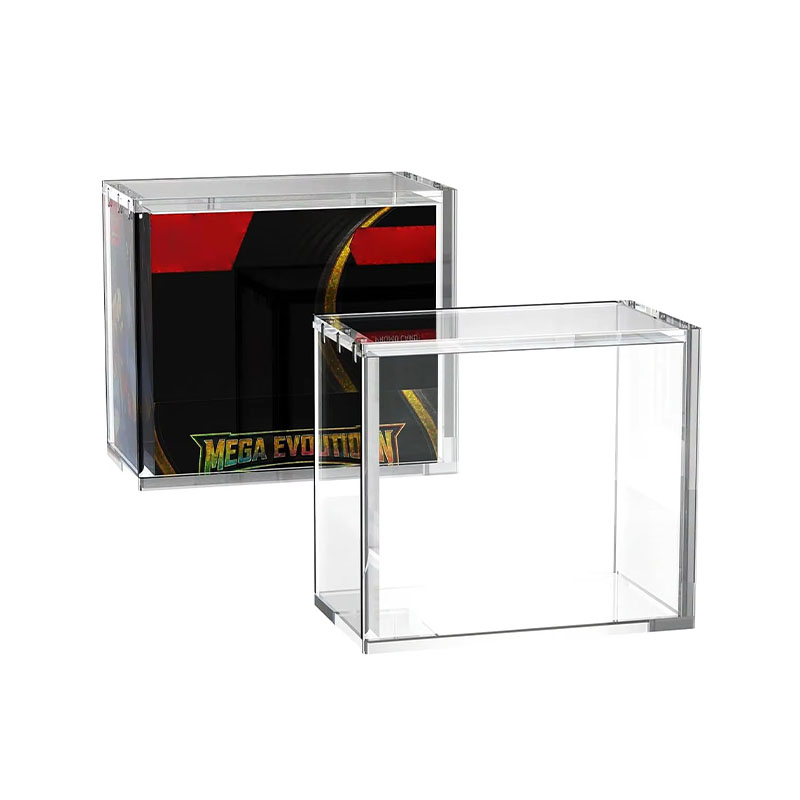
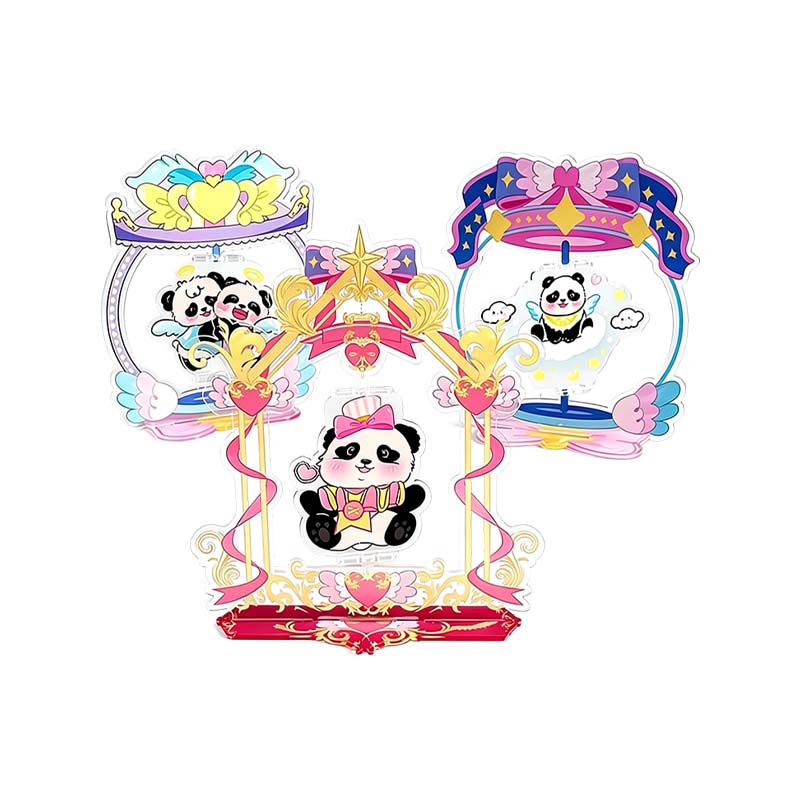
Ultra Thick Acrylic Display Case Sliding Magnetic Lid
1. Why Acrylic Display Cases Matter in Commercial Presentation
Merchandise presentation has a direct effect on how customers understand product quality. When a collectible item, character model, promotional gift, or branded object is placed in a clear and stable case, the product becomes easier to inspect and more attractive to view. Customers can see colors, details, contours, and surface finishes without needing to touch the merchandise. This is particularly valuable for items that are delicate, limited edition, licensed, or intended to remain in excellent condition.
Acrylic has become a widely used material for display cases because it combines optical clarity with practical durability. Compared with many ordinary plastics, quality acrylic provides a cleaner, more refined appearance. It can be cut into accurate shapes, printed with detailed artwork, engraved with text or logos, and formed into custom structures. It also has a professional appearance that works in retail stores, exhibition booths, offices, reception areas, homes, and promotional venues.
A display case must balance several factors. It needs to be clear enough to showcase the merchandise, strong enough to maintain its shape, easy enough to open when required, and stable enough to remain attractive over time. It should also be practical for shipping, storage, installation, and repeated use. The Ultra Thick Acrylic Display Case with Sliding Magnetic Lid addresses these requirements through a combination of material selection, structural design, precision processing, and customization support.
For commercial buyers, the display case can serve several purposes at once. It may protect a product during a retail display period, provide a premium package for a limited-edition item, support an event installation, or create a consistent visual format across a complete merchandise collection. Because the case can be customized, buyers can adapt it to different products, character designs, promotional campaigns, and brand environments.
2. Product Overview
The Ultra Thick Acrylic Display Case with Sliding Magnetic Lid is a rectangular acrylic display solution intended for desktop and countertop presentation. The product is manufactured from premium acrylic sheets selected for clarity, durability, and impact resistance. Its thick construction gives the case a more substantial feel than lightweight display boxes, while the transparent structure allows the contents to remain the central visual focus.
The sliding magnetic lid is designed to combine convenience with a clean appearance. A sliding lid can provide smoother access than a fully hinged structure, especially when the case is placed close to a wall, another display, or a row of products. The magnetic closing function helps keep the lid in position when the case is moved, stored, or used in a busy retail or event environment.
The case can be produced in customized sizes and shapes according to the dimensions of the displayed item. Although the standard product format is rectangular, the manufacturing process supports customized construction and finishing requirements. Buyers may also request printed graphics, engraved details, decorative elements, special color treatments, and packaging configurations for different markets.
The product is suitable for home decoration as well as commercial display. In a home environment, it can protect collectibles, character figures, souvenirs, art objects, and special gifts. In a business environment, it can display licensed merchandise, promotional products, retail samples, prototypes, and branded objects. Its modern style allows it to fit into contemporary stores, exhibition booths, offices, studios, and private collections.
| Product Feature | Specification or Benefit |
|---|---|
| Product type | Customized acrylic display case |
| Primary material | Premium acrylic |
| Structure | Ultra-thick rectangular construction |
| Opening design | Sliding lid with magnetic closing function |
| Surface options | Clear, printed, engraved, or customized finishes |
| Fabrication methods | CNC cutting, UV printing, polishing, shaping, and customized processing |
| Application areas | Retail, events, licensed merchandise, exhibitions, home decoration, and product showcases |
| Customization | Size, shape, color, graphics, engraving, packaging, and production specifications |
| Typical package size | Approximately 21.0 × 11.0 × 19.0 cm for the listed selling unit |
| Gross weight per unit | Approximately 2.0 kg for the listed configuration |
3. Advantages of an Ultra-Thick Acrylic Structure
One of the most important differences between a commercial display case and a low-cost basic box is the quality and thickness of the material. Ultra-thick acrylic offers a more stable structure and a stronger visual presence. When customers handle the case, the material feels more solid and dependable. When the case is placed on a counter or display shelf, it is less likely to appear flimsy or temporary.
Thickness also contributes to structural stability. A display case must maintain its shape under normal handling and environmental conditions. If the walls are too thin, they may flex, distort, or show stress around joints and openings. A thicker acrylic structure can help preserve alignment and reduce the impression of weakness. This is especially useful for retail environments where cases may be moved, cleaned, rearranged, or transported between locations.
The substantial construction supports long-term commercial use. Retail distributors and event teams often require display fixtures that can be used repeatedly rather than discarded after one campaign. A durable acrylic case can support multiple display cycles, seasonal promotions, traveling exhibitions, and rotating merchandise programs. This can improve the value of the initial purchase and reduce the need for frequent replacement.
Thicker acrylic also creates a premium visual effect. Clear edges become more noticeable, and the case can provide a refined frame around the merchandise. For collectible products and licensed character items, that visual quality can reinforce the exclusivity of the product. The display case becomes part of the product presentation rather than merely a protective cover.
Compared with thin PET packaging or soft plastic covers, an ultra-thick acrylic case generally provides a more rigid and reusable structure. Compared with ordinary glass, acrylic is lighter and easier to customize through cutting, printing, and engraving. It also reduces some of the handling concerns associated with breakable glass in busy retail or event settings.
4. Clear Visibility and Professional Appearance
Transparency is one of the core reasons buyers choose acrylic display cases. A clear case allows customers to view the product from multiple angles without opening the enclosure. This helps preserve product condition while maintaining visual access. For detailed figures, character merchandise, small sculptures, promotional objects, and decorative items, visibility is essential because the design itself is often the primary selling point.
Premium acrylic provides excellent clarity when properly processed and polished. Smooth cutting and finishing help create clean edges that do not distract from the displayed item. The result is a modern, minimal appearance that can work with a wide range of product styles. The case can present colorful character merchandise, monochrome corporate gifts, metallic collectibles, printed promotional items, or elegant decorative objects without imposing a competing visual style.
The transparent structure also supports efficient merchandising. Retail staff can identify the product without opening the case, and customers can compare items while they remain protected. In exhibitions, a clear case allows lighting to reach the merchandise from different directions. In an office or reception space, it can display awards, samples, souvenirs, or corporate gifts while keeping the area organized.
Clear acrylic can also be combined with customized graphics. UV printing may be used on selected panels or surfaces to add logos, patterns, character artwork, product information, or campaign messaging. The printing can create a more immersive display while retaining transparent viewing areas where required. This balance between protection, visibility, and communication is valuable for brand promotion and licensed merchandise presentation.
5. Sliding Magnetic Lid Design
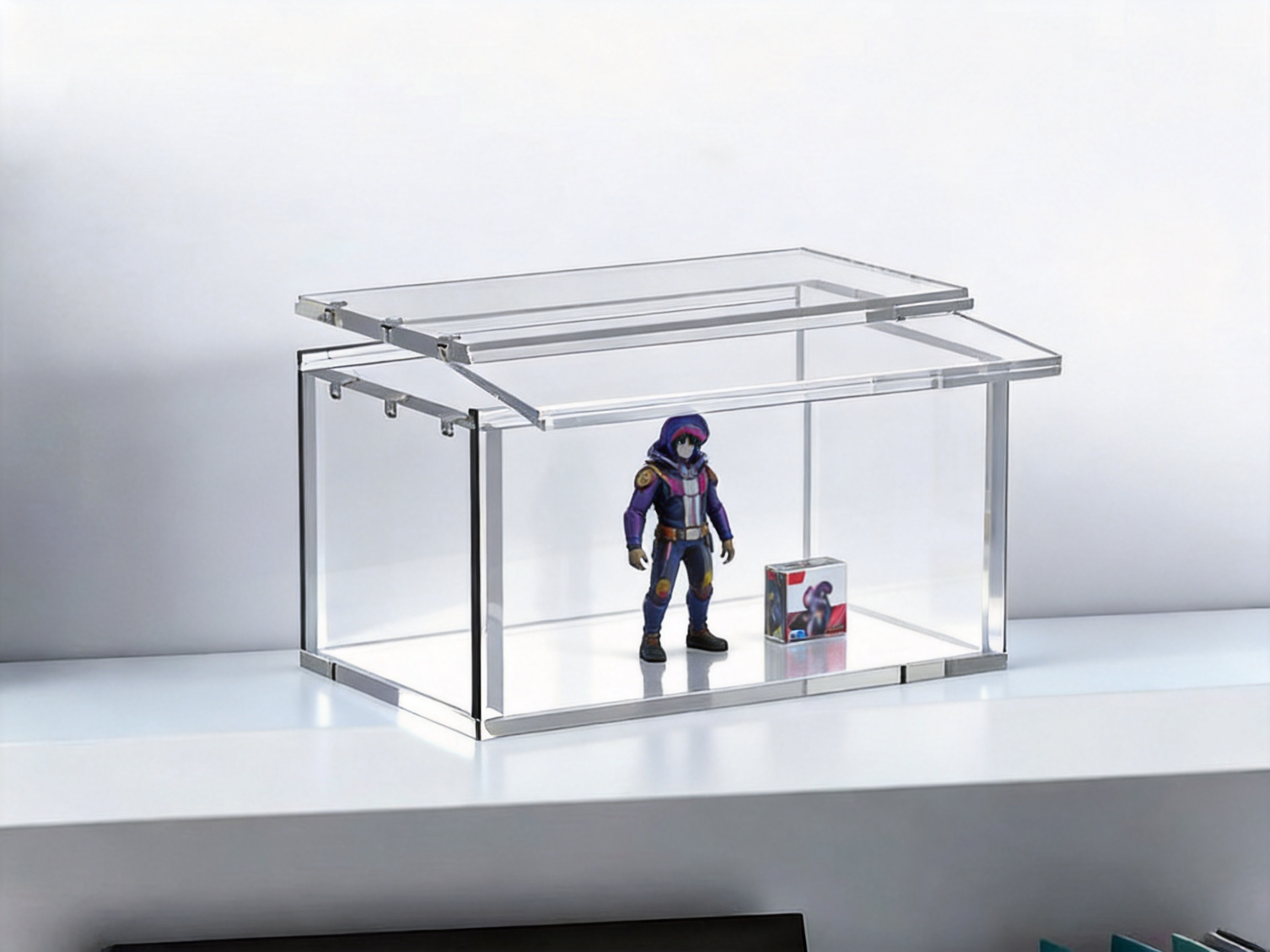
The sliding magnetic lid is a practical feature for buyers who need both accessibility and secure closure. A sliding lid can be opened without requiring a large swing area, which is helpful when display cases are positioned close together or placed against a wall. It also gives the case a streamlined appearance because the opening mechanism can remain visually discreet.
The magnetic function helps the lid return to a stable closed position. In a retail store, event booth, or exhibition environment, products may be exposed to frequent movement and accidental contact. A magnetic closing point can reduce the chance of the lid shifting unexpectedly. It also gives users a clear tactile indication that the case has been closed correctly.
For retailers, the design supports quick access during stock checks, cleaning, product replacement, and customer demonstrations. Staff do not need to dismantle the case or move the entire unit to reach the displayed item. For collectors, the lid makes it easier to rotate the contents while maintaining a clean presentation when the case is closed.
The lid design may also improve the visual continuity of the case. A smooth sliding panel can preserve the clear geometric appearance of the display box. When combined with accurately cut acrylic components, the lid can provide a close-fitting, modern finish that is more refined than loosely fitted covers.
As with all customized products, the exact lid dimensions, magnetic configuration, tolerances, and finishing details can be discussed during the engineering and sampling stage. This allows the manufacturer to consider the size and weight of the displayed item, the intended frequency of opening, packaging requirements, and the conditions of use.
6. Precision CNC Cutting and Edge Quality
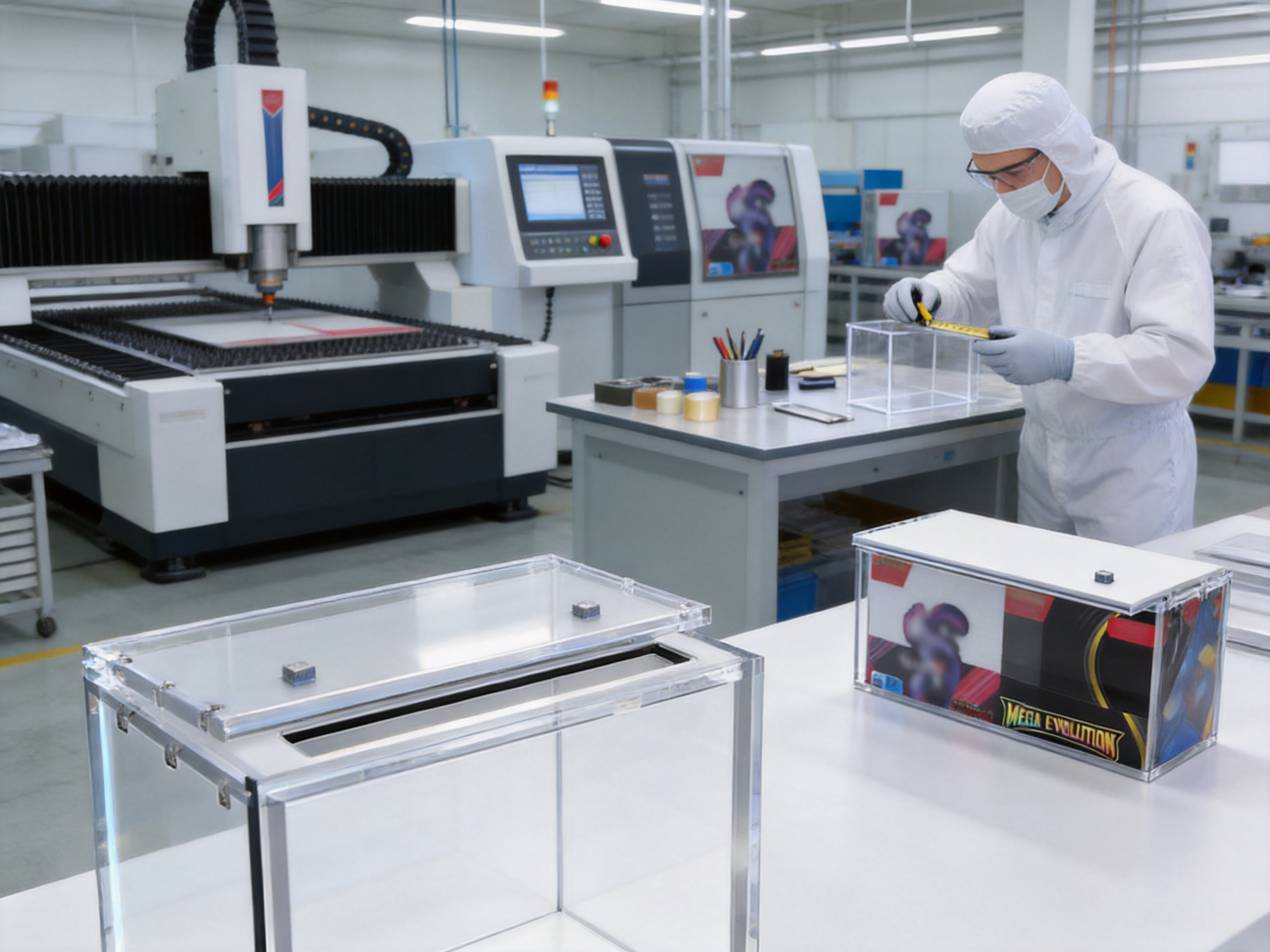
Accurate cutting is essential for a display case because every panel must fit correctly. If the dimensions are inconsistent, the case may show uneven gaps, misaligned edges, or instability. Wenzhou Chuangheng Packaging Co., Ltd. uses CNC cutting equipment to produce accurate acrylic components according to approved specifications.
CNC processing supports repeatability. Once the design has been confirmed, the same cutting instructions can be applied across a production batch. This is important for distributors and brand activation teams that need multiple display cases with consistent dimensions. Repeatable processing helps maintain a uniform appearance across retail locations, exhibition areas, and promotional installations.
Precision cutting also supports more complex customization. Buyers may require openings, internal divisions, rounded corners, special shapes, logo areas, or structural adjustments. CNC equipment can help produce these details with greater control than manual cutting. The design team can review the artwork and technical drawing before production, reducing the risk of misunderstanding.
Clean edges are another important aspect of acrylic fabrication. Rough or burr-filled edges can reduce the perceived quality of a display case and may create handling concerns. The production process includes finishing and polishing procedures intended to provide smooth, professional edges. This contributes to both visual quality and user comfort.
Accurate processing is particularly important when a case includes a sliding lid. The lid must fit within the structure while still moving smoothly. Excessive looseness may reduce stability, while excessive tightness may make opening difficult. Careful attention to cutting tolerances, assembly, and inspection helps the manufacturer achieve a more dependable result.
7. UV Printing and Customized Surface Graphics
UV printing enables the display case to become a communication tool as well as a protective enclosure. Graphics can be applied to selected surfaces to support a campaign, identify a product series, display character artwork, or reinforce a corporate message. The process is suitable for detailed patterns and colorful designs that need to remain visually strong during commercial use.
One of the strengths of UV printing is its ability to produce sharp, vibrant graphics directly on suitable acrylic surfaces. This is useful for businesses that want to coordinate the display case with their packaging, retail fixtures, event graphics, or promotional materials. The artwork can be adapted to different case sizes and product formats.
Printing may be combined with transparent areas. For example, a buyer may request a printed base, a decorated side panel, or a logo positioned around the perimeter while leaving the front and top areas clear. This allows the merchandise to remain visible while the case communicates key information. Depending on the design, opaque white ink, layered color, or selective printing may be considered during the development stage.
In addition to printing, the company supports engraving and other customized processes. Engraving can create a subtle textured effect for names, serial numbers, limited-edition information, or decorative patterns. Special finishes may be selected according to the product’s positioning and target market.
Artwork preparation is an important part of the production process. The company has an experienced graphic design team that can assist international customers with design adaptation. Design drafts can be prepared quickly, and urgent samples may be completed within a short production window after specifications are confirmed. This support is especially useful for customers who have ideas or reference images but need help converting them into production-ready files.
8. OEM and ODM Customization Support
Many commercial buyers do not require a standard display case. They may need a solution that matches the dimensions of a particular figure, supports a seasonal campaign, or fits a specific retail fixture. OEM and ODM services allow the display case to be developed according to the customer’s product and market requirements.
OEM production is suitable when the buyer already has drawings, dimensions, artwork, or established design standards. The manufacturer can produce the case according to the approved specifications and support printing, finishing, assembly, and packaging. This approach is useful for distributors and importers that need their own product format or packaging system.
ODM development is suitable when the buyer wants professional assistance with structure, appearance, or product improvement. The manufacturer can help adapt a concept into an acrylic display solution, recommend suitable dimensions, organize the artwork, and prepare samples for review. This allows customers to benefit from manufacturing experience even when they do not have a complete technical drawing.
Customization options include size, shape, color, printing, engraving, plating or decorative treatment, lid design, internal structure, and packaging. The manufacturer can also discuss whether the case should be optimized for a single collectible, a group of products, a promotional gift set, or a retail display collection.
Flexible MOQ options support both trial orders and larger production programs. The listed minimum order quantity for custom acrylic standees is 100 pieces, while actual requirements for a display case project should be confirmed according to the design, materials, and production plan. Supporting small-batch trials can help buyers test market response before committing to a larger order.
| Customization Area | Possible Customer Requirement | Commercial Benefit |
|---|---|---|
| Dimensions | Case height, width, depth, and panel thickness | Accurate fit for different merchandise |
| Shape | Rectangular, special contour, rounded, or multi-part structure | Better alignment with product design |
| Graphics | Logos, character artwork, campaign visuals, and product information | Stronger visual communication |
| Surface treatment | UV printing, engraving, polishing, and selected decorative effects | Improved differentiation and perceived value |
| Lid | Sliding magnetic lid with project-specific tolerances | Convenient access and stable closure |
| Packaging | Protective packaging, customized labels, and bulk shipping configuration | Better logistics and retail readiness |
| Production quantity | Trial batches or mass production | Flexible purchasing strategy |
9. Manufacturing Process from Concept to Finished Product
A reliable display case begins with a clear understanding of the customer’s application. The manufacturer first reviews the desired dimensions, product weight, opening method, artwork, quantity, packaging expectations, and shipping destination. This stage helps identify technical details that may affect the final structure.
9.1 Design Review and Artwork Preparation
The customer may provide drawings, product photographs, reference samples, sketches, or basic dimensions. The design team reviews these materials and prepares a production concept. If the customer requires character adaptation, logo placement, or layout adjustment, the artwork can be optimized for the acrylic surface and intended printing method.
At this stage, important questions include where the lid will slide, how much clearance is required, which panels should remain transparent, and whether the graphics need to be viewed from the inside or outside. Early review helps reduce production changes later.
9.2 Material Selection
Premium acrylic sheets are selected according to the required clarity, thickness, color, surface effect, and structural needs. For a commercial display case, material selection should consider not only appearance but also impact resistance, weight, machinability, and compatibility with printing or engraving.
The ultra-thick structure is chosen to support a stable and substantial product. If the case is intended for a larger object or heavier merchandise, the manufacturer can review the panel thickness and support structure during customization.
9.3 CNC Cutting
Once the design has been confirmed, CNC equipment is used to cut the acrylic panels and components. Digital production helps maintain dimensional accuracy and repeatability. Special openings, slots, corners, and structural features can be incorporated according to the approved design.
9.4 Printing and Engraving
After cutting and preliminary preparation, the acrylic surfaces can receive UV-printed artwork or engraved details. Printing parameters are adjusted according to the artwork, panel position, and desired visual effect. The production team checks alignment, color coverage, and pattern fidelity.
9.5 Shaping, Polishing, and Assembly
Depending on the design, selected acrylic components may be shaped, polished, or otherwise finished. Smooth edges improve the appearance and handling experience. The panels are then assembled with attention to alignment, lid movement, magnetic positioning, and overall stability.
9.6 Quality Inspection
Inspection may cover dimensions, transparency, edge quality, printing accuracy, magnetic closure, surface condition, assembly stability, and packaging readiness. The purpose is to identify defects before the products are packed and shipped. A structured quality process is particularly valuable for repeat orders because it helps maintain consistency between batches.
9.7 Protective Packaging and Delivery
Acrylic products need appropriate protection during transportation. Packaging is planned to reduce the risk of scratching, impact, movement, and pressure damage. Depending on the order, goods may be transported by sea freight, air freight, or express delivery. The listed standard information indicates a single-item package size of approximately 21.0 × 11.0 × 19.0 centimeters and a gross weight of approximately 2.0 kilograms, although customized projects may differ.
10. Quality Management and Production Reliability
Commercial buyers need more than an attractive sample. They need confidence that the production batch will match the approved design. Wenzhou Chuangheng Packaging Co., Ltd. operates an ISO 9001 certified factory, supporting a structured quality management approach. Certification does not replace product inspection, but it demonstrates a commitment to organized procedures, traceability, and consistent production practices.
Quality management is relevant at every stage. Materials must meet the project requirements. Cutting must follow the approved dimensions. Printing must match the artwork. Assembly must provide the intended stability. Packaging must protect the finished items during handling and shipment.
For international clients, process consistency is especially important because the buyer may not be able to inspect every unit in person. Clear communication, approved samples, production updates, and documented specifications help reduce uncertainty. A professional supplier should be prepared to discuss material choices, tolerances, packaging, lead time, shipping methods, and payment terms before production begins.
The standard lead time for the listed product is approximately 30 days after order confirmation. Custom projects may require a different schedule depending on design complexity, sample approval, order quantity, printing requirements, and packaging. The supplier also states that custom acrylic standee projects generally require approximately 15 to 20 days after design and sample confirmation, with shipping time added separately. Buyers should confirm the final schedule for each display case order before placing production instructions.
11. Advantages over Basic Display Boxes and Competing Options
The market includes many types of display products, including thin plastic boxes, glass cases, cardboard packaging, and standard acrylic containers. Each option has a place, but the Ultra-Thick Acrylic Display Case with Sliding Magnetic Lid offers a specific combination of benefits for commercial presentation.
Compared with thin plastic boxes, the ultra-thick acrylic construction provides a more substantial feel and stronger visual quality. Thin boxes may be acceptable for short-term packaging, but they can appear less premium and may flex more easily. The thicker acrylic case is better suited to repeated use and long-term display.
Compared with cardboard packaging, acrylic offers substantially better product visibility. Cardboard can provide strong printing space, but it hides the merchandise unless windows are added. Acrylic allows the entire product to remain visible from multiple directions while still supporting printed graphics on selected surfaces.
Compared with ordinary glass, acrylic is easier to customize and generally more convenient for shipping and handling. Glass can create an elegant display, but it may add weight and increase concerns about breakage. Acrylic provides a lighter and more adaptable alternative for retail counters, event booths, and merchandise collections.
Compared with basic open stands, a closed acrylic case offers additional protection from dust, accidental contact, and environmental exposure. An open stand may be suitable for products that need frequent handling, but a closed case is preferable for limited editions, delicate objects, and high-value merchandise.
Compared with a standard hinged lid, a sliding magnetic lid can save clearance space and create a cleaner profile. This is useful where display units are positioned closely together or where the case needs to sit near a wall or backdrop.
The product’s strongest competitive advantage is not a single feature but the combination of thick material, clear presentation, sliding magnetic access, precision fabrication, customization, and factory-level support. Buyers can obtain a display solution that is adapted to their merchandise rather than selecting a generic case that only partially meets their needs.
12. Applications in Retail and Product Showcases
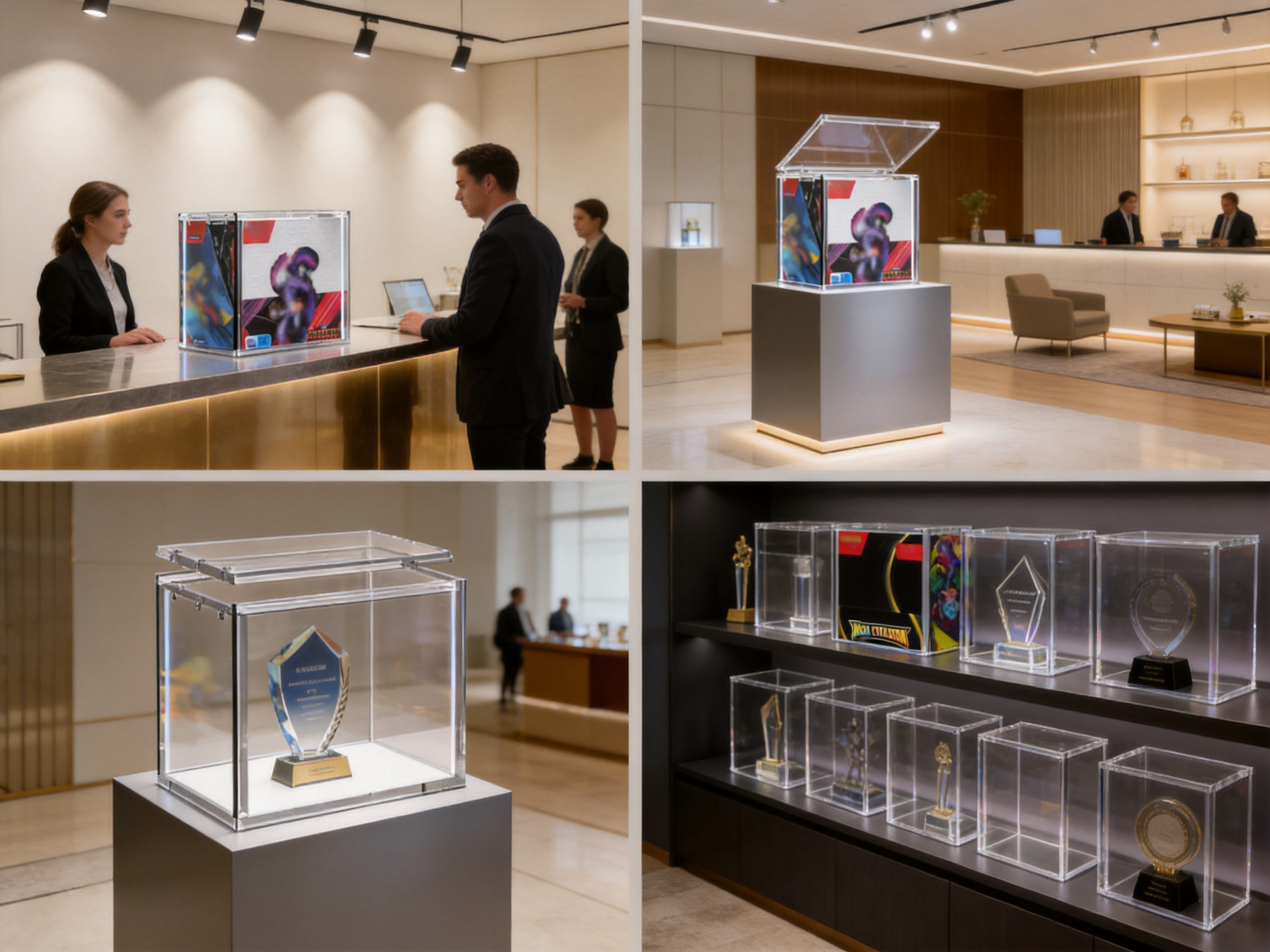
Retail distributors can use the display case to present collectible products, promotional items, character merchandise, small sculptures, and branded objects. The transparent structure allows customers to inspect the product while reducing direct handling. This can help stores maintain a cleaner presentation and protect items that may be difficult to replace.
The case can be used on checkout counters, display shelves, feature tables, glass cabinets, or promotional islands. Its modern rectangular format supports organized merchandising and can be repeated across a product range. Multiple cases can create a consistent visual language for a collection, even when the displayed items have different sizes or shapes.
For product launches, a customized display case can be prepared with campaign artwork and coordinated graphics. It may be used to present a new product, an exclusive release, a limited-edition collaboration, or a seasonal gift. The display can be placed in retail stores, pop-up shops, department stores, or temporary promotional locations.
13. Applications for Licensed Merchandise and IP Products
Animation studios, game companies, and licensed product suppliers often work with visually detailed character designs. These products benefit from clear display because the appeal may depend on facial details, costume elements, accessories, color combinations, or special finishes.
Acrylic display cases can help preserve the presentation of licensed merchandise while allowing the character design to remain visible. Printed case graphics can be used to reinforce the visual identity of a series, while the displayed object remains the focal point. For limited editions, the case may also carry edition information, a character name, or a coordinated decorative pattern.
The manufacturer’s design team can assist with adapting licensed IP artwork to the production process. This may include adjusting line thickness, repositioning elements, creating print-ready files, or ensuring that the artwork fits the available panel area. Customers remain responsible for providing the necessary rights and approvals for licensed content.
14. Applications in Brand Promotion and Corporate Events
Marketing agencies and event contractors can use customized acrylic display cases in brand activation campaigns, corporate exhibitions, product demonstrations, and promotional installations. A case can display a sample product, mascot, award, gift, prototype, or campaign object in a controlled and visually appealing format.
Because the case can include printed logos and graphics, it can support a consistent event identity. The transparent structure helps visitors see the featured object, while the customized surfaces communicate the campaign message. The durable construction is appropriate for events where display units may need to be transported and reused.
For corporate environments, the case can present awards, commemorative items, cultural objects, or branded gifts in reception areas and meeting rooms. Its modern style works with office interiors and can help keep important objects protected while still visible to visitors and employees.
15. Applications in Homes, Studios, and Private Collections
The product is not limited to commercial settings. Collectors can use it to protect figures, souvenirs, model objects, and small artworks from dust and accidental contact. The clear material allows the item to remain visible on a desk, shelf, cabinet, or display table.
For creative studios, the case can be used to present prototypes, design samples, character models, and project memorabilia. A customized printed base or engraved nameplate can make the presentation more personal. The sliding magnetic lid provides convenient access when the displayed object needs to be changed or examined.
In a home decoration context, an acrylic case can help organize a collection while maintaining a clean, contemporary appearance. The rectangular format can be integrated with shelves and furniture, and customized dimensions can be requested for special objects.
16. Ordering Process for International Buyers
A successful custom order begins with complete information. Buyers should provide the intended application, product dimensions, desired case dimensions, approximate quantity, artwork, preferred material appearance, packaging expectations, and delivery destination. Product photographs or physical samples can also help the design team understand the required fit.
The supplier then reviews the specifications and recommends a production approach. Questions about lid movement, magnetic placement, panel thickness, printing surfaces, and internal clearance should be settled before sampling. A quotation can be prepared after the major requirements are understood.
For custom designs, a digital drawing or sample is normally reviewed before mass production. Buyers should check dimensions, artwork position, transparency, color, edge finish, lid operation, and overall appearance. Any changes should be communicated before final approval.
After confirmation, production begins according to the agreed schedule. The standard payment terms listed for the company are T/T and L/C at sight. Shipping can be arranged through sea freight, air freight, or express delivery according to urgency, order volume, and budget.
For larger programs, buyers may wish to discuss a rolling production schedule, batch inspection, customized cartons, spare units, replacement policies, and future repeat-order procedures. Establishing these details early can make subsequent orders faster and more consistent.
17. Maintenance and Handling Recommendations
Acrylic display cases should be handled with clean hands and placed on stable, level surfaces. To remove dust, use a soft, clean cloth. If cleaning is necessary, use a product suitable for acrylic and avoid abrasive materials that may create surface scratches.
Do not place heavy objects on top of the case unless the structure has been specifically designed for that load. Avoid dragging the case across rough surfaces. Lift it from the base when moving it, especially when merchandise is inside.
The sliding lid should be operated gently and kept free of dust or particles that could interfere with movement. Users should avoid forcing the lid if resistance occurs. In a commercial environment, routine inspection can help identify loose components, surface damage, or packaging wear before the case is moved to another location.
Direct exposure to extreme heat, harsh chemicals, or unsuitable cleaning agents should be avoided. When cases are stored for future campaigns, they should be protected from pressure, impact, and unnecessary surface contact. Proper maintenance can help preserve clarity and appearance over a longer service period.
18. Sustainability and Reusability Considerations
Reusable display products can support more efficient merchandising because they may be used across multiple campaigns or product cycles. A durable acrylic case can be cleaned, stored, and redeployed rather than discarded after a single event. This is particularly useful for companies that operate regular promotions or maintain permanent retail displays.
The case can also be adapted for different merchandise over time if the dimensions and internal layout are suitable. Buyers who expect future use should consider versatile sizes, neutral graphics, removable inserts, and packaging that protects the case between campaigns.
Responsible use also includes ordering appropriate quantities, selecting packaging that reduces transport damage, and planning shipping according to urgency and volume. Customers should discuss material handling and end-of-life practices with their local waste management providers when a case is no longer usable.
19. Questions and Answers
Q1: What makes this display case different from a standard acrylic box?
The product combines an ultra-thick acrylic structure with a sliding magnetic lid, precision CNC fabrication, customized printing and engraving options, and commercial production support. It is designed to provide a more stable and premium presentation than a thin, basic acrylic container.
Q2: What products can be displayed inside the case?
The case can be used for collectible figures, licensed character merchandise, promotional objects, small sculptures, gifts, prototypes, souvenirs, branded products, and other items that require clear and protected presentation. The final size should be matched to the dimensions and weight of the intended product.
Q3: Can the dimensions be customized?
Yes. The supplier supports customized dimensions, shapes, colors, printing, engraving, and packaging. Buyers should provide the product dimensions and intended display arrangement so the factory can recommend suitable case specifications.
Q4: Is the sliding lid suitable for frequent opening?
The sliding lid is designed to provide convenient access for product replacement, cleaning, inspection, and collection rotation. The exact performance depends on the approved structure, tolerances, magnetic arrangement, and handling conditions.
Q5: Can logos and character artwork be printed on the case?
Yes. UV printing can be used for logos, character graphics, patterns, product information, and promotional artwork. Selected surfaces may be printed while other areas remain transparent. The factory’s design team can assist with artwork adaptation and production preparation.
Q6: Does the supplier offer OEM and ODM services?
Yes. OEM services are available for buyers with established drawings or specifications, while ODM support is available for customers who need help developing the structure, artwork, or overall product concept.
Q7: Can the case be used for licensed IP merchandise?
Yes. It is suitable for animation, game, character, and other licensed merchandise applications. Customers must provide authorized artwork and confirm that they have the necessary rights to use the relevant intellectual property.
Q8: What is the minimum order quantity?
The company states that the MOQ for custom acrylic standees is 100 pieces and supports flexible quantities for trial and bulk production. The specific MOQ for a customized display case should be confirmed according to the design, materials, processing requirements, and packaging plan.
Q9: How long does production take?
The listed lead time for the product is approximately 30 days after order confirmation. Custom projects may require a different schedule. The company also indicates that custom acrylic standee projects generally require approximately 15 to 20 days after design and sample confirmation. Buyers should obtain a project-specific production schedule before approval.
Q10: What shipping methods are available?
Sea freight, air freight, and express delivery are available. The best method depends on order volume, delivery deadline, destination, and budget.
Q11: What payment terms are accepted?
The listed payment terms are T/T and L/C at sight. Final payment arrangements should be confirmed in the quotation and sales contract.
Q12: Is the factory certified?
The manufacturer operates an ISO 9001 certified factory. This supports a structured quality management system for production and order control.
Q13: Can urgent samples be produced?
The company states that samples for urgent orders can be completed within 24 hours in suitable circumstances. The actual sample schedule depends on design complexity, material availability, artwork readiness, and confirmation speed.
Q14: How should the case be cleaned?
Use a soft cloth and a cleaner suitable for acrylic. Avoid abrasive pads, rough paper, harsh chemicals, and forceful rubbing. The sliding lid should be kept clean so it can move smoothly.
Q15: Who is the most suitable buyer for this product?
The product is suitable for retail distributors, importers, licensed product suppliers, animation studios, game companies, marketing agencies, event contractors, corporate buyers, collectors, and businesses that need customized acrylic merchandise presentation.
20. Conclusion
The Ultra Thick Acrylic Display Case with Sliding Magnetic Lid provides a strong combination of protection, visibility, convenience, and customization. Its premium acrylic construction supports a stable and professional appearance, while the sliding magnetic lid provides practical access and a clean closing solution. Precision CNC cutting, UV printing, engraving, polishing, and customized assembly allow the case to be adapted to different products and campaigns.
For commercial buyers, the product offers advantages over thin plastic boxes, ordinary open stands, cardboard packaging, and generic display containers. It can be used repeatedly in retail stores, exhibitions, promotional events, corporate spaces, studios, homes, and private collections. Its ability to combine clear product visibility with customized branding makes it especially valuable for licensed merchandise and brand activation programs.
Wenzhou Chuangheng Packaging Co., Ltd. supports the product with OEM and ODM services, design adaptation, flexible production quantities, an ISO 9001 certified factory, international shipping options, and a complete manufacturing process from concept development to packaging. Buyers seeking a dependable acrylic display supplier can use the sampling and customization process to develop a case that matches their product, market, and presentation goals.
References
1. Wenzhou Chuangheng Packaging Co., Ltd., Product Specification Information for Ultra Thick Acrylic Display Case with Sliding Magnetic Lid.
2. Wenzhou Chuangheng Packaging Co., Ltd., Company Manufacturing and OEM/ODM Service Profile.
3. ISO 9001 Quality Management System Principles and Manufacturing Quality Guidance.
4. General Acrylic Fabrication Practices: CNC Cutting, Edge Polishing, UV Printing, Engraving, and Assembly.
5. Retail Merchandising and Point-of-Sale Display Planning Principles.
6. Packaging and Transportation Considerations for Acrylic Products and Transparent Display Fixtures.
Product: Ultra Thick Acrylic Display Case Sliding Magnetic Lid


Ready to Begin?
Product Categories
Contact Information
 Email:
kaelissia.shop@gmail.com
 Phone:
+86-18968933800
 Address:
No.515, Lingxi Strait Avenue, Cangnan, Wenzhou, Zhejiang, China
QR Code
Copyright © Wenzhou Chuangheng Packaging Co., Ltd. All rights reserved.
