 +86-18968933800
 No.515, Lingxi Strait Avenue, Cangnan, Wenzhou, Zhejiang, China


 English
 Français
 Español
 Deutsch
Blog ·
Blog ·
Blog ·
Blog ·
Blog ·
Blog ·
Blog ·
Blog ·
Blog ·
Blog ·
Blog ·
Blog ·
Blog ·
Blog ·
Blog ·
Blog ·
Custom Acrylic Display Cases for Figure Models: Protection, Presentation, and OEM Manufacturing Excellence
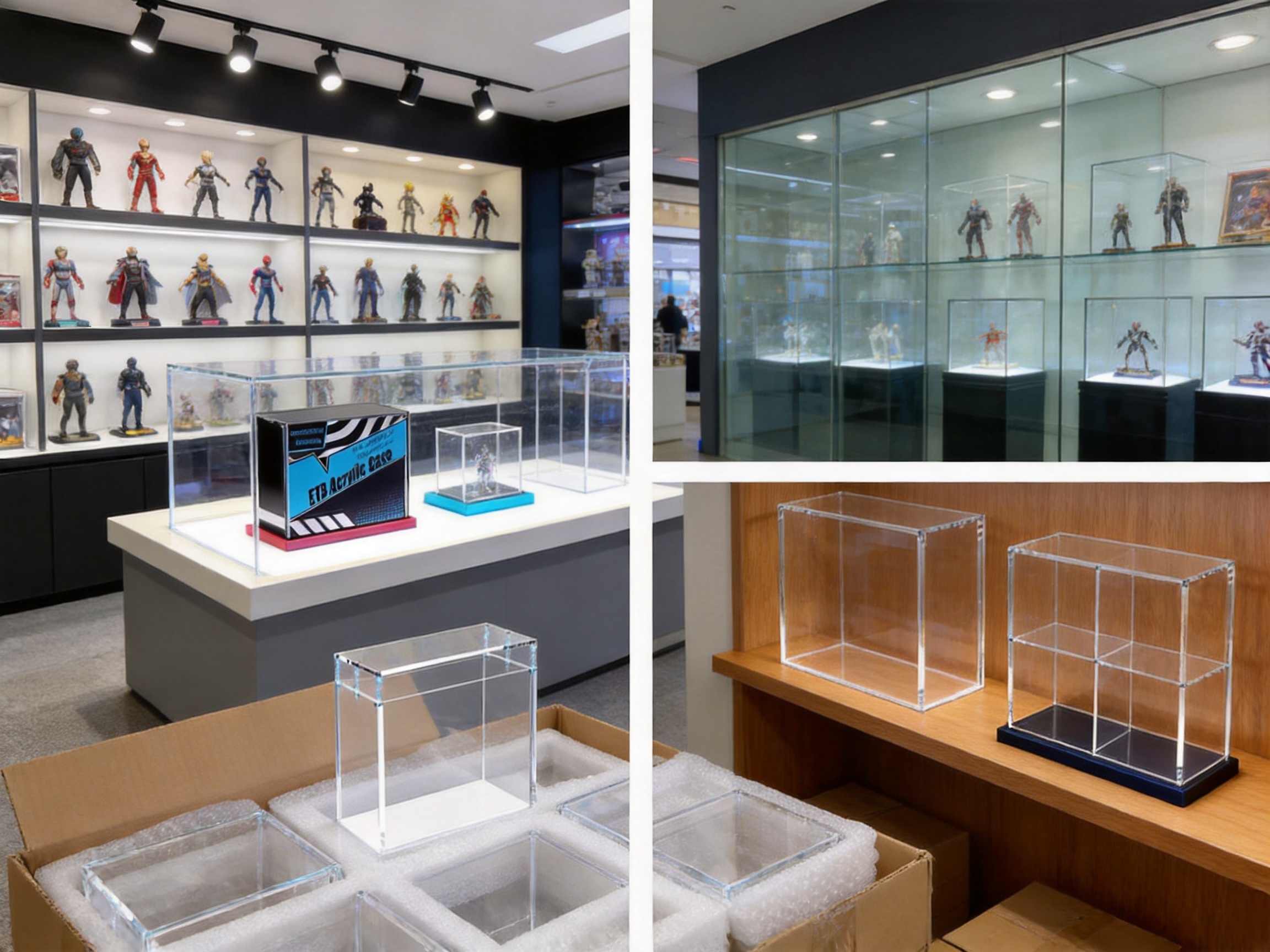
Custom acrylic display cases are an essential solution for collectors, retailers, animation studios, game companies, licensed merchandise suppliers, and brands that need to present valuable figure models in a clean, professional, and protective environment. Unlike ordinary storage boxes, a well-designed acrylic case performs several functions at the same time: it protects the displayed item, improves visual presentation, supports brand communication, and creates a more attractive retail or exhibition experience.
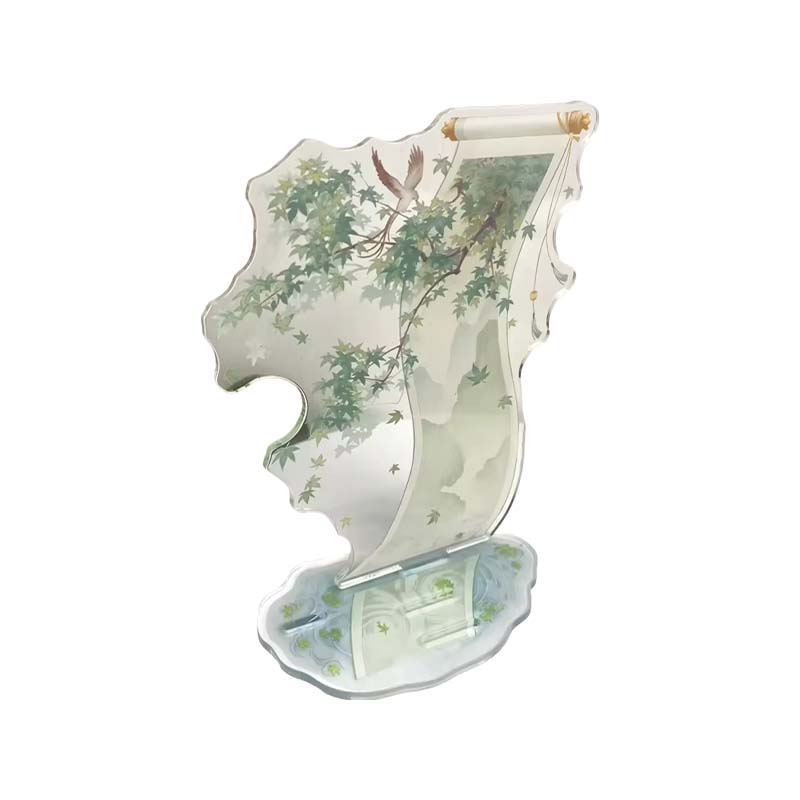
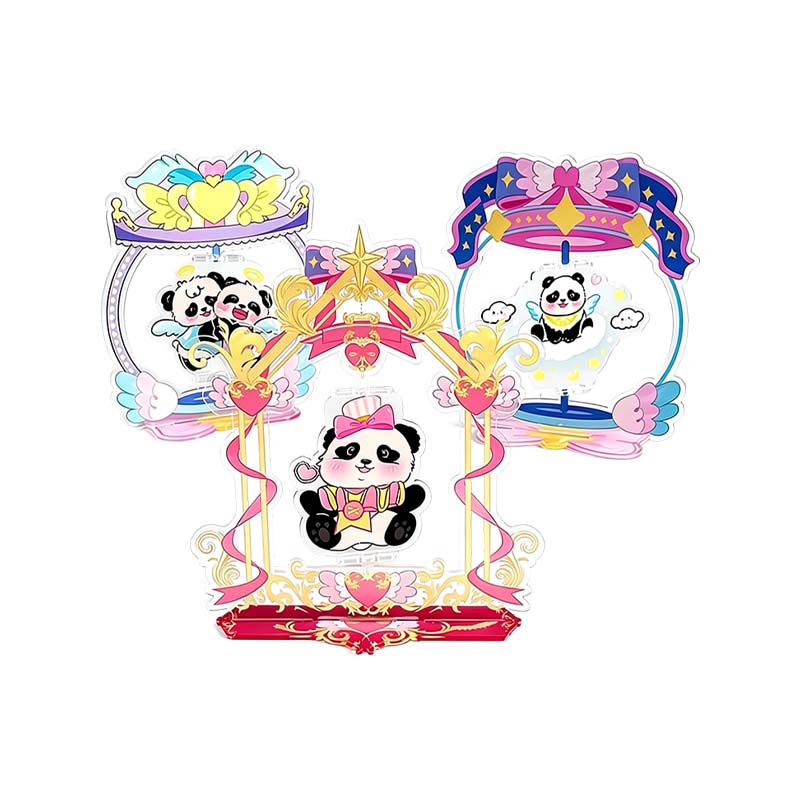
The Custom Acrylic Display Case Figure Model Protective Box is developed for customers who require reliable product protection together with customized appearance and flexible production support. Manufactured from high-clarity acrylic and produced with precision cutting, printing, polishing, and assembly processes, the case is suitable for collectible figures, character models, promotional products, licensed merchandise, retail displays, and corporate event installations.
Its value extends beyond the transparent enclosure itself. Customers can adjust the dimensions, shape, colors, printed graphics, logos, internal layout, packaging, and finishing details according to their product and marketing objectives. This makes the display case suitable for both standardized product programs and highly specialized OEM or ODM projects.
Why Acrylic Display Cases Matter for Modern Product Presentation
Figure models and collectible products are often designed with detailed colors, delicate surface treatments, and distinctive character features. If these items are placed in an open environment, they may quickly collect dust, be touched by visitors, or become damaged during transport and retail handling. A display case creates a controlled presentation space that helps maintain the product’s appearance while allowing customers to view it from multiple angles.
Acrylic is particularly suitable for this purpose because it combines transparency, strength, light weight, and processing flexibility. Compared with ordinary glass, acrylic is easier to transport and customize. It can be cut into precise shapes, drilled, engraved, printed, polished, and assembled into different structures. These characteristics make acrylic more adaptable for branded displays and custom merchandise projects.
Acrylic display cases are also useful when visual clarity is a priority. The transparent panels allow the figure model to remain the main focus instead of hiding it behind an opaque enclosure. The material supports a clean, modern appearance that works well in homes, specialty stores, exhibitions, pop-up shops, museums, promotional events, and corporate environments.
For brands and merchandise suppliers, the case can become part of the product experience. Printed logos, character artwork, campaign graphics, edition information, and decorative elements can be integrated into the design. As a result, the display case is not only a protective container but also a marketing tool that reinforces product identity.
Core Product Advantages
Crystal-Clear Visual Presentation
The display case uses high-clarity acrylic to provide a bright and unobstructed view of the figure model. Clear panels allow the displayed product to be seen from the front, sides, and top, depending on the structure selected by the customer. This is especially important for character figures and collectible models with detailed costumes, accessories, facial expressions, or sculpted components.
Clear acrylic helps preserve the visual impact of a product under retail lighting and exhibition lighting. The material allows colors, printing details, and surface textures to remain visible instead of appearing muted behind low-quality transparent plastic. For brands investing in detailed product design, this improved visibility can make the difference between an ordinary display and a presentation that attracts attention.
Protection from Dust and Handling
Open shelves expose figure models to airborne dust and repeated handling. Dust can accumulate around small accessories, hair details, joints, and textured surfaces, making regular cleaning difficult. A protective acrylic enclosure creates a more controlled environment and reduces direct contact with the displayed item.
The case is suitable for valuable collectibles, limited-edition products, promotional figures, and retail samples that need to remain clean during long-term display. Depending on the selected structure and fit, the case can also reduce the risk of accidental knocks, movement, or contact with nearby products.
Stable and Reinforced Construction
A display case must be more than transparent. It must also remain stable when placed on a counter, shelf, cabinet, or exhibition platform. The product is designed with a sturdy base and reinforced side panels to support displayed items and reduce wobbling during normal use.
Precise panel thickness, accurate notch positioning, and consistent assembly contribute to structural stability. These details are important because even a visually attractive case may fail if the panels are uneven, the joints are loose, or the base is not properly balanced. The manufacturing process therefore focuses on both appearance and practical performance.
Customized Dimensions and Shapes
Figure models are produced in many sizes and forms. A small character charm may require a compact desktop case, while a large promotional statue may need a taller and deeper enclosure. Standard sizes are not always suitable for products with unusual proportions, extended accessories, or special display bases.
Customized dimensions allow the case to fit the intended product more accurately. Customers can specify length, width, height, panel arrangement, base thickness, internal clearance, and access structure. Rectangle-shaped cases are available as a common option, but custom shapes and special configurations can also be developed for specific merchandise programs.
A well-fitted case helps prevent unnecessary movement and avoids excessive empty space. It also creates a more balanced visual composition. For retail and exhibition environments, the dimensions can be coordinated with shelving systems, display counters, shipping cartons, and other promotional fixtures.
Flexible Branding and Decorative Options
The display case can be customized with printed logos, character images, campaign graphics, color elements, or other brand-related artwork. UV printing and other surface decoration methods help reproduce detailed patterns and vivid colors on suitable acrylic components.
Customers may choose a subtle logo application for a premium collectible or a highly colorful printed design for a promotional campaign. The decoration can be placed on the base, side panels, back panel, header area, or other suitable surfaces. Artwork adaptation services are available for customers who need assistance preparing licensed character designs for production.
Customized colors and finishes can also help coordinate the case with a product series or retail environment. Clear panels may be combined with printed bases, colored edges, decorative inserts, or special surface treatments. This flexibility gives brands more control over the final presentation than a generic off-the-shelf case can provide.
Advantages Compared with Ordinary Display Boxes
Better Transparency than Low-Grade Plastic Enclosures
Some inexpensive display boxes use materials that appear cloudy, uneven, or easily scratched. These issues can reduce the visual quality of the product inside. High-clarity acrylic provides a more professional appearance and is better suited to premium collectibles, licensed figures, and retail presentations where the customer must clearly see the displayed item.
Consistent panel quality also improves the overall appearance of the assembled case. When the material is uniform and the edges are properly finished, the box looks cleaner and more refined under lighting.
More Customizable than Standard Glass Cabinets
Glass cabinets may provide transparency, but they are often heavier, less convenient to modify, and more difficult to adapt for smaller product runs or special shapes. Acrylic can be cut and processed into customized formats with greater flexibility. This makes it a practical choice for brands that need a tailored display solution rather than a fixed furniture product.
Acrylic is also more suitable for projects that involve printed artwork, engraved details, unusual panel layouts, and compact packaging. The material can be incorporated into merchandise programs where the display case must be shipped with the product or supplied in moderate quantities.
Lower Handling Burden than Conventional Glass
For exhibitions, retail installations, and international logistics, weight and handling are important considerations. Acrylic generally offers a lighter alternative to glass, helping reduce the practical burden during packing, movement, and installation. A lighter display case can be easier for staff to position on shelves or counters and may simplify shipping arrangements.
While every project requires appropriate packaging and handling procedures, acrylic provides a useful balance between visual clarity and manageable weight. This is one reason it is widely used in promotional displays, collectible showcases, and custom merchandise packaging.
More Suitable for Brand Integration
A standard storage box may protect a product but provide little space for visual communication. A custom acrylic case can be designed as part of the brand experience. It can include artwork, logos, campaign themes, product information, and other elements that help customers understand the product and remember the brand.
For promotional campaigns, the case may be used as a long-term display after the event. For retail programs, it can create consistent presentation across multiple stores. For collectors, it can add a premium and organized appearance to a personal display area.
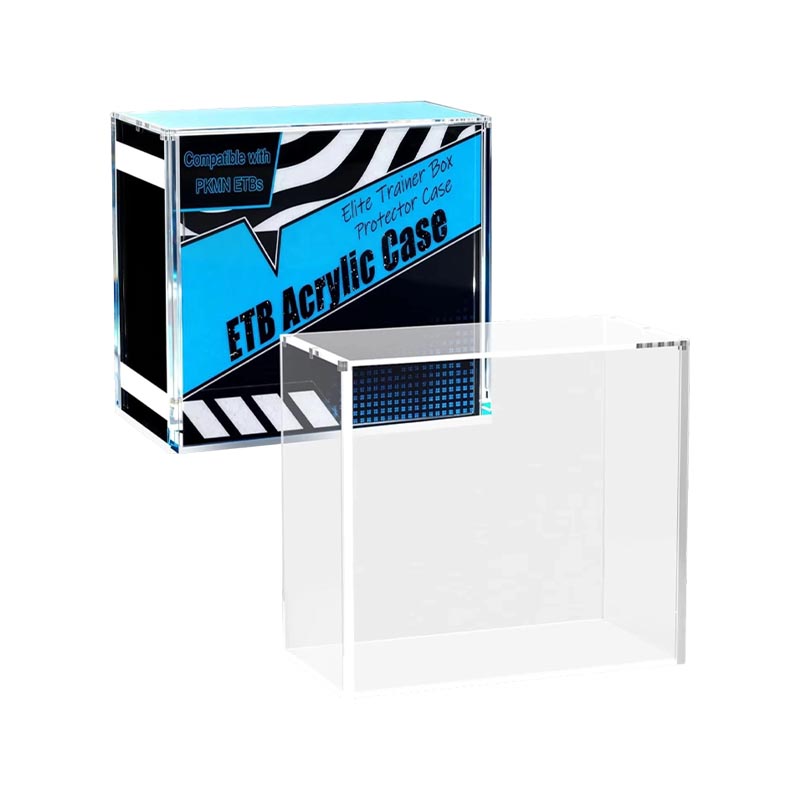
Custom Acrylic Display Case Figure Model Protective Box
Advanced Manufacturing Process
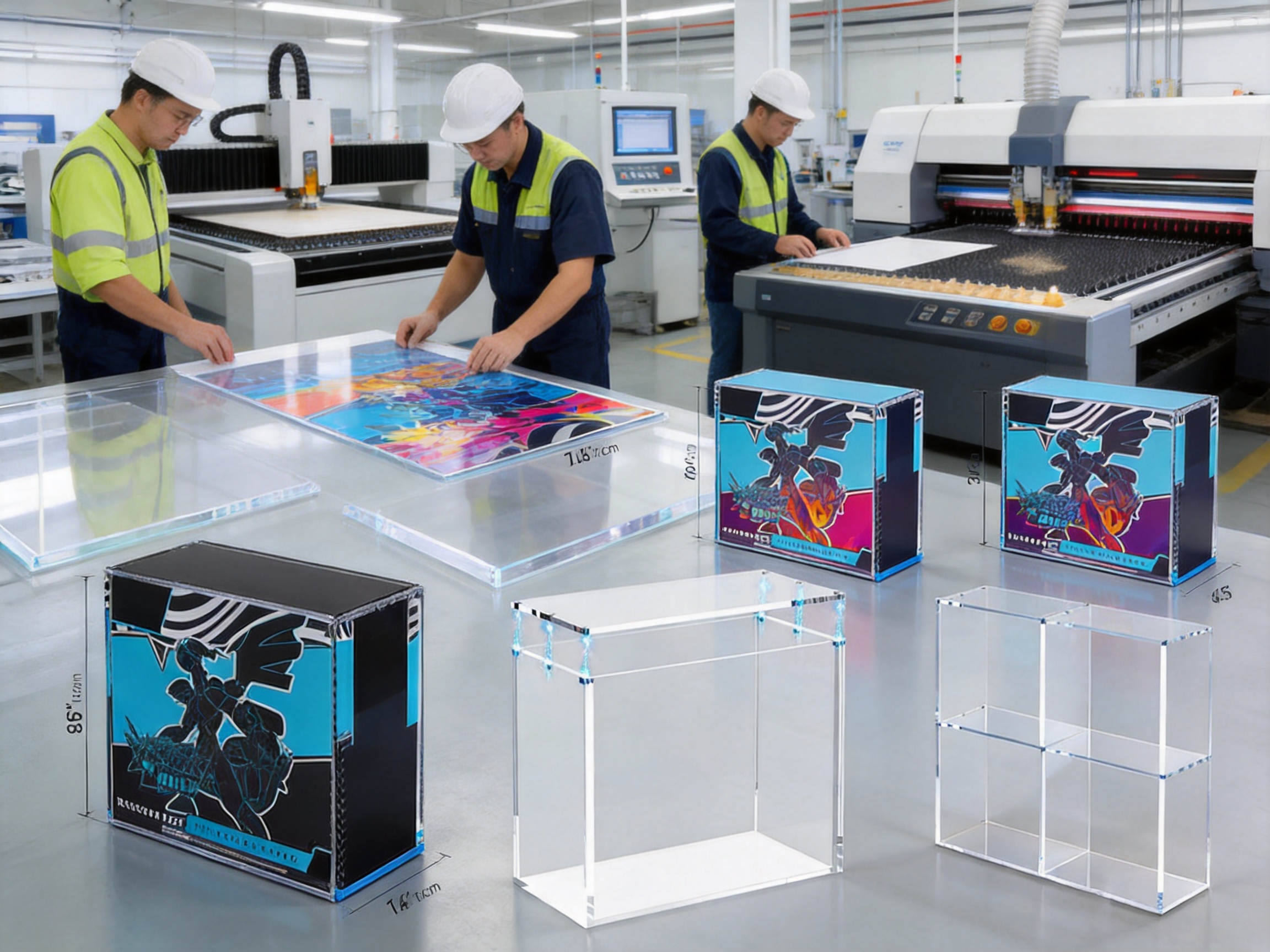
The quality of a custom acrylic display case depends on the complete manufacturing chain, not on one machine or one production step. Wenzhou Chuangheng Packaging Co., Ltd. supports a one-stop process that can include design adaptation, material preparation, cutting, printing, shaping, polishing, assembly, inspection, and packaging.
Design Adaptation and Engineering Preparation
The process begins with the customer’s requirements, product dimensions, artwork, and intended application. Customers may provide finished drawings, reference images, physical samples, or basic product information. The design team reviews the requirements and determines how the figure model should be positioned, how much clearance is needed, and which panels should be transparent, printed, colored, or reinforced.
For licensed character products, artwork may need to be adjusted to suit the available printing area and production method. Small details, narrow lines, transparent effects, and irregular outlines must be evaluated before manufacturing. The design team can adapt and optimize the artwork so that the final result remains accurate after cutting, printing, and assembly.
Engineering preparation also involves checking the structure. The team may review panel dimensions, corner connections, base construction, access points, assembly methods, packaging requirements, and shipping considerations. This early review helps reduce avoidable errors and improves the transition from sample production to mass production.
Precision Laser Cutting
Laser cutting is used to produce accurate acrylic panels and customized components. The process supports clean outlines, consistent dimensions, and complex shapes that may be difficult to achieve with less precise equipment. It is suitable for transparent panels, bases, decorative pieces, lettering, and special structural parts.
Accurate cutting is essential for a display case because the panels must fit together correctly. Small dimensional errors can result in uneven corners, visible gaps, unstable joints, or difficulty during assembly. By using precision cutting equipment and controlled production procedures, the factory can maintain consistent results across repeated orders.
Laser cutting also supports efficient customization. Customers do not need to limit their designs to a small range of standard formats. The case can be adjusted to match the dimensions of different figure models, promotional items, and branded display programs.
UV Printing and Color Reproduction
UV printing supports vivid graphics, logos, decorative patterns, and character artwork on suitable acrylic surfaces. The printing process is valuable for customers who want the display case to carry the same visual identity as the product or campaign.
Color reproduction requires careful attention to artwork preparation, ink application, surface condition, and curing. A smooth acrylic surface helps create a clean printed result, while controlled printing procedures support stable pattern quality from one piece to the next. The factory’s equipment is intended to produce vibrant full-color printing with high pattern fidelity.
Printing can be applied to a base panel, backdrop, header, side panel, or other selected area. Customers may request a minimal logo, a full character illustration, a seasonal campaign theme, or a multi-panel composition. The appropriate layout depends on viewing distance, display direction, product size, and the customer’s marketing goals.
Engraving and Special Surface Details
Engraving equipment can be used for lettering, symbols, decorative lines, product information, and selected design effects. Engraved details can provide a refined appearance for premium products, commemorative editions, corporate gifts, and collector-oriented displays.
Special finishes and surface treatments may also be considered according to the project. These can help differentiate a product series or create a particular visual mood. The precise options depend on the chosen acrylic material, artwork, structure, and order requirements.
Edge Finishing and Polishing
After cutting, acrylic edges may require finishing to achieve a smooth and clean appearance. Proper polishing helps reduce roughness and improves the visual quality of exposed edges. This is especially important for transparent cases because uneven or unfinished edges can be easily noticed under direct lighting.
Polishing also contributes to safer handling during assembly and use. Although the case is a manufactured product and should still be handled carefully, smooth edges provide a more comfortable experience for workers, retailers, and customers.
Assembly and Structural Inspection
Following cutting, printing, and finishing, the components are assembled according to the approved design. The assembly team checks the alignment of the panels, the fit of the base, the stability of the structure, and the positioning of printed or decorative elements.
Inspection may include checking for scratches, cracks, visible dust, printing defects, edge problems, dimensional inconsistencies, and assembly gaps. For customized projects, the finished product is compared with the approved sample or design specification. This helps maintain consistency during bulk production.
Protective Packaging
Acrylic products require careful packaging because transparent surfaces can be scratched during transportation if they are not adequately protected. Packaging solutions can be customized according to product size, shipping method, order volume, and customer requirements.
Individual wrapping, protective films, separators, cartons, and additional cushioning may be used to reduce contact between acrylic components. The packaging design should also consider how the product will be stored, opened, displayed, and distributed after delivery.
One-Stop OEM and ODM Support
Customers often need more than a manufactured case. They may require design adaptation, prototype development, artwork preparation, packaging coordination, and production planning. A one-stop OEM and ODM service simplifies communication by allowing these activities to be managed through one experienced production partner.
The available customization support includes character design adaptation, logo printing, size adjustment, shape customization, packaging solutions, and bulk production. This range of services is useful for animation studios, game companies, licensed merchandise suppliers, marketing agencies, event contractors, retailers, and importers.
From Concept to Prototype
A project can begin with a basic concept or a completed technical drawing. The design team can help convert the concept into a manufacturable acrylic structure. For customers with a ready-made figure model, the team can review the dimensions and recommend an appropriate case format. For customers still developing the product, the factory can support early-stage design discussion and sample planning.
Prototype development allows the customer to confirm the size, appearance, printing position, structural stability, and packaging method before mass production. This step is particularly valuable for licensed products and promotional campaigns, where visual accuracy and delivery timing are important.
Rapid Design Communication
The company’s graphic design team serves international customers and can provide design drafts within approximately two hours for suitable projects. The actual timing depends on project complexity, artwork readiness, and communication requirements, but rapid design response can help customers move from inquiry to confirmation more efficiently.
For urgent orders, samples may be completed within approximately 24 hours when the design and materials are straightforward and production capacity allows. Customers should confirm the schedule in advance because complex structures, special finishes, extensive artwork, and approval procedures may require additional time.
Flexible MOQ and Bulk Production
The standard minimum order quantity is 100 pieces. This quantity supports small-batch trial orders while remaining practical for larger commercial programs. Customers can use an initial order to evaluate market response, confirm retail presentation, or test a licensed merchandise concept before expanding production.
For larger orders, the same production system can support bulk manufacturing. Consistent design files, approved samples, controlled material specifications, and documented inspection procedures help maintain product uniformity throughout the production run.
Applications Across Multiple Industries
Animation and Character Merchandise
Animation studios and character brands often invest in figures and collectible products that represent popular stories or intellectual properties. A custom acrylic case allows these products to be displayed in a way that protects delicate details while presenting the character clearly.
The case can include character artwork, logos, series information, or themed graphics. It may be used at fan events, retail launches, exhibitions, promotional campaigns, and collector gatherings.
Game Companies and Licensed Products
Game companies can use display cases to showcase character models, limited-edition merchandise, tournament awards, promotional figures, and special release items. The structure can be adapted to match the game’s visual identity, including color themes, printed graphics, and campaign messaging.
For licensed products, accurate artwork reproduction is especially important. The design adaptation service helps ensure that the character image and branding elements are suitable for acrylic printing and display.
Retail Stores and Product Distributors
Retailers need displays that are easy to place, visually attractive, and suitable for repeated customer viewing. Acrylic cases can be used on counters, shelves, glass cabinets, and dedicated promotional fixtures. The transparent structure allows customers to view the product while reducing the need for direct handling.
Distributors can also use customized cases to create consistent presentation across different retail locations. A standardized case design helps strengthen product recognition and supports a more organized merchandising strategy.
Corporate Events and Brand Promotion
Marketing agencies and event contractors can use custom display cases for product launches, corporate exhibitions, trade shows, media events, and promotional campaigns. A branded acrylic case can highlight a sample product or create a focal point at an event booth.
Because the case can be customized in size, color, printing, and shape, it can be integrated into a broader event design. After the event, the display may continue to be used in an office, showroom, retail store, or customer presentation area.
Home Decoration and Personal Collections
Collectors and hobbyists use acrylic cases to organize and protect personal collections. The clear structure allows the items to remain visible while reducing exposure to dust and accidental contact. The modern rectangular format suits desks, shelves, cabinets, and dedicated collection rooms.
Customized dimensions are valuable for collections that include unusually sized figures, accessories, dioramas, or grouped character scenes. A case can be developed for one centerpiece item or for a coordinated series of models.
Museums, Exhibitions, and Demonstration Displays
Exhibition organizers and educational environments may use acrylic cases to protect small objects while keeping them accessible to view. The material’s transparency supports visual communication, while the structure helps separate the object from frequent visitor contact.
For temporary exhibitions, lightweight acrylic construction can simplify installation and relocation. For permanent displays, customized printing or engraved information can be incorporated into the design when required.
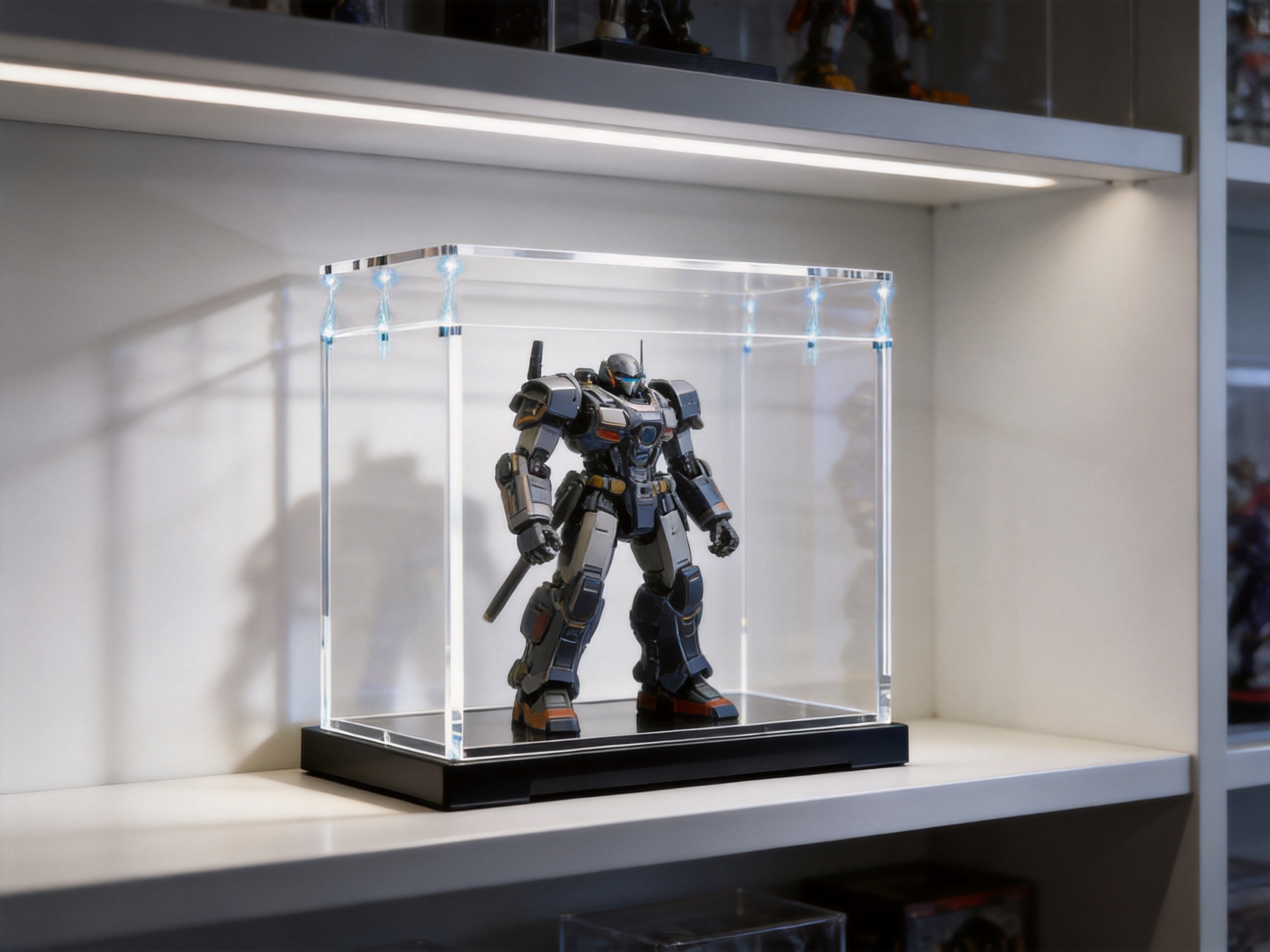
Quality Management and Production Reliability
Reliable manufacturing requires consistent procedures from material preparation through final packaging. The factory operates under an ISO 9001 certified quality management system, which supports organized production control and repeatable quality standards.
Quality management is important for custom display cases because each project may include different dimensions, artwork, printing positions, and assembly requirements. A controlled process helps the production team follow approved specifications and identify potential issues before the products are shipped.
Material and Dimensional Control
Material selection affects transparency, strength, appearance, and processing results. Acrylic sheets should be checked for consistency and suitability before cutting. Dimensional control is also necessary because even small variations can influence panel alignment and structural stability.
During production, the team can check panel sizes, notch positions, base dimensions, and other critical measurements. These checks help ensure that the finished case corresponds with the approved sample and design drawings.
Appearance Inspection
Appearance inspection focuses on transparency, edge quality, printing clarity, color consistency, surface condition, and assembly quality. Scratches, cracks, visible contamination, uneven polishing, printing defects, and other issues can affect the perceived value of a display case.
Clear acrylic products are often viewed at close range, so small visual problems may be noticeable. Careful inspection helps ensure that the case is suitable for professional retail, exhibition, and collector applications.
Packaging and Delivery Coordination
Packaging is part of product quality because damage during transportation can reduce the value of an otherwise well-manufactured item. The factory can coordinate packaging according to the selected shipping method, including sea freight, air freight, and express delivery.
The standard production information lists a delivery time of approximately 30 days, while individual project schedules may vary according to design confirmation, sample approval, order quantity, printing requirements, packaging complexity, and shipping arrangements. Customers should confirm the final schedule before placing an order.
Technical and Commercial Specifications
The product is categorized as an acrylic display case with a modern rectangular style and customized processing. The main material is acrylic, while the size, color, shape details, plating or decorative treatment, and production process can be adjusted according to project requirements.
| Specification | Details |
|---|---|
| Product type | Custom acrylic display case and protective box |
| Primary material | Clear acrylic, with customized color options |
| Common shape | Rectangle, with customized structures available |
| Style | Modern |
| Processing | Customized cutting, printing, engraving, polishing, and assembly |
| Application | Figure models, collectibles, retail displays, exhibitions, events, and home decoration |
| Minimum order quantity | 100 pieces |
| Typical delivery time | Approximately 30 days, subject to project confirmation |
| Shipping methods | Sea freight, air freight, and express delivery |
| Payment terms | T/T and L/C at sight accepted |
| Single package size | Approximately 21.0 × 11.0 × 19.0 cm for the listed product configuration |
| Gross weight per unit | Approximately 2.0 kg for the listed product configuration |
The listed package size and weight should be treated as reference values for the specified configuration. Customized products may have different dimensions and weights depending on acrylic thickness, structure, printing, base design, and packaging requirements.
How to Plan a Successful Custom Display Case Project
Provide Accurate Product Measurements
Customers should provide the complete dimensions of the figure model, including height, width, depth, accessories, extended parts, and display base. If the model needs to be positioned at a particular angle, this should also be communicated before design work begins.
Accurate measurements help the design team determine the internal clearance and avoid a case that is too tight or unnecessarily large. Photographs from several angles can further improve design communication.
Define the Viewing Direction
A display case may be designed primarily for front viewing, full 360-degree viewing, elevated shelf viewing, or close-up counter presentation. The intended viewing direction influences the placement of printed graphics, the height of the case, the visibility of the base, and the required transparency of each panel.
For retail shelves, front-facing artwork may be especially important. For exhibitions, viewers may walk around the case, making side and rear presentation equally significant.
Prepare Print-Ready Artwork
Customers should provide high-resolution logos, character illustrations, color references, and other artwork whenever possible. The design team can help adapt the files, but the quality of the source artwork affects the final printing result.
Artwork should also indicate the desired printing location, approximate size, color requirements, and whether the design should appear on the front or reverse side of a transparent panel. Early confirmation of these details reduces revision time.
Confirm the Prototype Before Mass Production
A prototype allows the customer to evaluate the physical product instead of relying only on a digital drawing. The sample can be checked for visual balance, product fit, stability, printing position, color appearance, and packaging suitability.
Once the sample is approved, it becomes an important reference for bulk production. Any changes should be documented before mass manufacturing begins.
Consider the Final Shipping Environment
Customers should explain whether the display cases will be shipped individually, packed with figure models, delivered to retail stores, or transported to an exhibition. This information helps the factory recommend a suitable packaging structure.
Shipping method also affects planning. Sea freight may be appropriate for larger commercial orders, while air freight or express delivery may be preferred for urgent samples or smaller shipments. The most suitable choice depends on volume, destination, budget, and delivery schedule.
Environmental and Practical Considerations
Acrylic display cases are designed for repeated use and can remain useful long after a promotional event or product launch. Their durable structure allows customers to continue displaying the same figure model or replace it with another item when the campaign changes.
Reusable display products can support a more practical merchandising approach because the case does not necessarily become obsolete after one event. A well-designed case may be used in retail, offices, showrooms, personal collections, or future exhibitions.
Customers should handle acrylic carefully to maintain transparency and surface quality. Soft cloths and suitable cleaning methods are generally preferable to abrasive materials. Strong solvents and rough cleaning tools may damage the surface and should be avoided unless confirmed as compatible with the selected acrylic.
Q&A: Custom Acrylic Display Case Figure Model Protective Box
Q1: What is the minimum order quantity?
The standard minimum order quantity is 100 pieces. Flexible order quantities may be discussed for small-batch trial orders, sample programs, and larger-scale production requirements.
Q2: Can the case be made to fit a specific figure model?
Yes. The display case can be customized according to the model’s height, width, depth, accessories, base, and intended viewing angle. Customers should provide accurate measurements and reference images for design evaluation.
Q3: Can logos and character artwork be printed on the case?
Yes. The case can include customized logos, character artwork, campaign graphics, decorative patterns, and other suitable printed elements. UV printing is available for vivid full-color reproduction on appropriate acrylic surfaces.
Q4: Can the shape be changed from a standard rectangle?
Yes. Rectangle is a common format, but the structure, panel arrangement, base design, and selected shape details can be customized according to the product and application.
Q5: Is design assistance available?
Yes. The professional graphic design team can assist with character design adaptation, logo placement, artwork optimization, size adjustment, and production-ready layout preparation.
Q6: How quickly can a design draft be prepared?
For suitable projects with clear requirements, design drafts may be provided within approximately two hours. Timing depends on the complexity of the case, the quality of the supplied artwork, and the number of revisions required.
Q7: How quickly can a sample be completed?
For urgent and relatively straightforward orders, samples may be completed within approximately 24 hours when materials, artwork, and production capacity are available. A confirmed schedule should be requested for each project.
Q8: What is the usual production lead time?
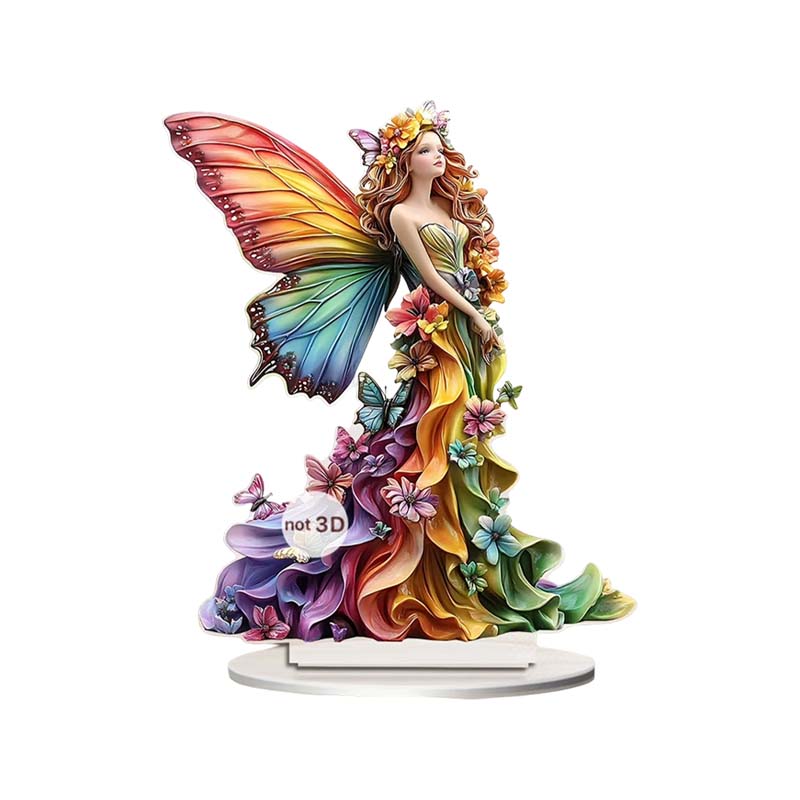
The listed delivery time is approximately 30 days. A separate product note refers to approximately 15 to 20 days after design and sample confirmation for certain custom standee-related production schedules. The final lead time depends on the display case structure, order quantity, printing requirements, sample approval, packaging, and shipping method.
Q9: Which shipping methods are available?
Sea freight, air freight, and express delivery are available. The appropriate method depends on order volume, urgency, destination, and transportation budget.
Q10: Is the acrylic case suitable for valuable collectibles?
Yes. The case is designed to help protect collectibles from dust, direct handling, and ordinary display-environment risks. Customers should select an appropriate structure and maintain the case properly for long-term use.
Q11: Can the case be used for retail displays?
Yes. It is suitable for retail counters, shelves, product showcases, promotional areas, and branded merchandise displays. The transparent material helps customers see the product clearly while the enclosure supports a cleaner presentation.
Q12: Can packaging be customized?
Yes. Packaging solutions can be developed according to product size, shipping conditions, order quantity, and customer requirements. Protective packaging is particularly important for transparent acrylic surfaces.
Q13: What quality certification supports production?
The factory operates under an ISO 9001 certified quality management system. This supports organized production procedures and consistent quality control.
Q14: Which payment terms are accepted?
T/T and L/C at sight are accepted. Specific payment arrangements should be confirmed during quotation and order negotiation.
Q15: Who can benefit most from this product?
Animation studios, game companies, licensed merchandise suppliers, retailers, distributors, marketing agencies, event contractors, corporate brands, importers, collectors, and exhibition organizers can all benefit from the product.
Why Choose an Experienced Acrylic Manufacturing Partner
The success of a custom display case project depends on more than the material itself. Customers need a supplier that understands artwork, product proportions, structural design, surface finishing, packaging, production scheduling, and international delivery.
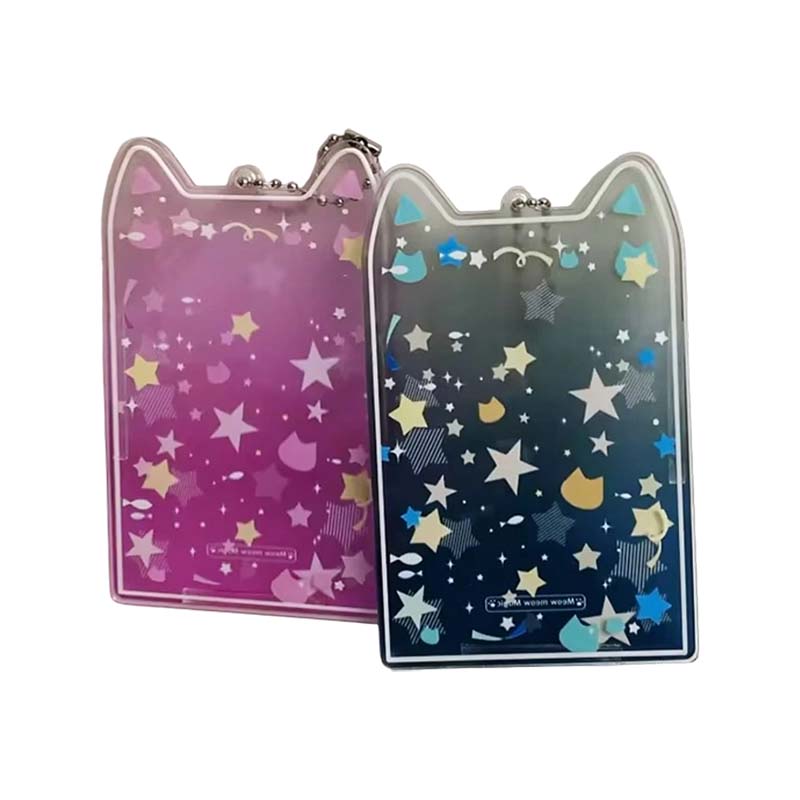
Wenzhou Chuangheng Packaging Co., Ltd. specializes in customized acrylic cultural and creative products, including acrylic standees, keychains, clips, fridge magnets, display cases, metal badges, wall hooks, and other acrylic gifts. This product range provides experience across different acrylic processing methods and merchandise applications.
The factory is equipped with UV printers, engraving machines, laser cutting machines, and other specialized equipment. These capabilities support a complete production chain covering design, cutting, printing, shaping, polishing, assembly, and packaging.
The company serves international customers in South Korea, Japan, the United States, and other markets. Its foreign trade experience supports communication, order coordination, shipping arrangements, and after-sales service for overseas buyers.
For customers comparing suppliers, important advantages include a broad customization range, flexible support for trial orders and bulk production, rapid design communication, sample development capability, quality management procedures, and one-stop project coordination. These strengths can reduce the need to manage separate design, printing, fabrication, and packaging suppliers.
Conclusion
The Custom Acrylic Display Case Figure Model Protective Box combines product protection, visual clarity, structural stability, and brand customization in one flexible display solution. Its high-clarity acrylic panels help figure models remain visible and attractive, while the enclosed structure helps reduce exposure to dust and handling.
Compared with generic plastic boxes or heavy glass cabinets, the customized acrylic format offers a practical balance of transparency, manageable weight, processing flexibility, and branding potential. Customers can adjust dimensions, shapes, colors, printing, finishes, packaging, and production quantities according to their market and application.
The manufacturing process includes design adaptation, precision cutting, UV printing, engraving, edge polishing, assembly inspection, and protective packaging. Supported by ISO 9001 quality management and professional production equipment, the process is suitable for both trial orders and large-scale OEM or ODM projects.
For animation studios, game companies, licensed merchandise suppliers, retailers, event contractors, distributors, and collectors, a custom acrylic display case can transform an ordinary figure model into a more protected, organized, and compelling presentation. When the design, artwork, structure, and packaging are carefully coordinated, the result is not simply a box but a durable part of the product and brand experience.
References
1. ISO 9001 Quality Management Systems — General principles for consistent production control and customer-focused quality management.
2. Acrylic Materials and Processing Practices — General manufacturing principles for cutting, polishing, printing, engraving, and forming acrylic products.
3. Retail Visual Merchandising Principles — Guidelines for product visibility, display organization, customer attention, and branded presentation.
4. Protective Packaging Fundamentals — General considerations for cushioning, surface protection, carton design, and transportation handling.
5. Custom Product Development Methods — General practices for design adaptation, prototype approval, specification control, and mass production transition.
6. International Freight Planning Principles — General considerations for selecting sea freight, air freight, and express delivery according to volume, urgency, destination, and budget.
Product: Custom Acrylic Display Case Figure Model Protective Box

Ready to Begin?
Product Categories
Contact Information
 Email:
kaelissia.shop@gmail.com
 Phone:
+86-18968933800
 Address:
No.515, Lingxi Strait Avenue, Cangnan, Wenzhou, Zhejiang, China
QR Code
Copyright © Wenzhou Chuangheng Packaging Co., Ltd. All rights reserved.
