 +86-18968933800
 No.515, Lingxi Strait Avenue, Cangnan, Wenzhou, Zhejiang, China


 English
 Français
 Español
 Deutsch
Blog ·
Blog ·
Blog ·
Blog ·
Blog ·
Blog ·
Blog ·
Blog ·
Blog ·
Blog ·
Blog ·
Blog ·
Blog ·
Blog ·
Blog ·
Blog ·
Lightweight Acrylic ETB Card Display Case with UV Protection for Custom Retail and Licensed Merchandise
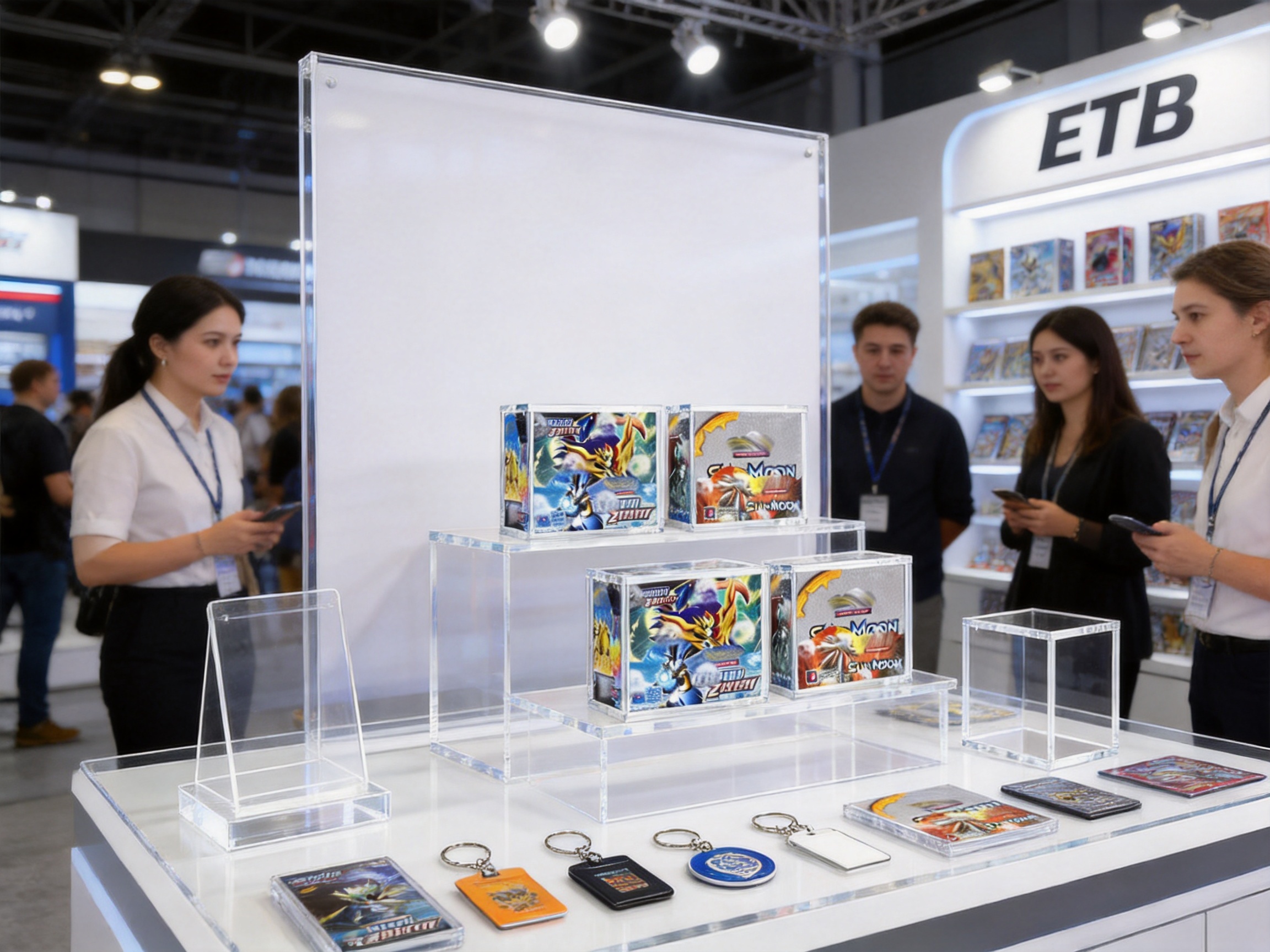
Collectible card products have become important retail, hobby, and entertainment merchandise. Special-edition card boxes, expansion sets, promotional releases, and limited collectibles are often purchased not only for gameplay but also for long-term preservation and display. An ETB card display case provides a practical way to protect these products from dust, scratches, handling damage, and excessive exposure to ultraviolet light while keeping the package visible from multiple angles.
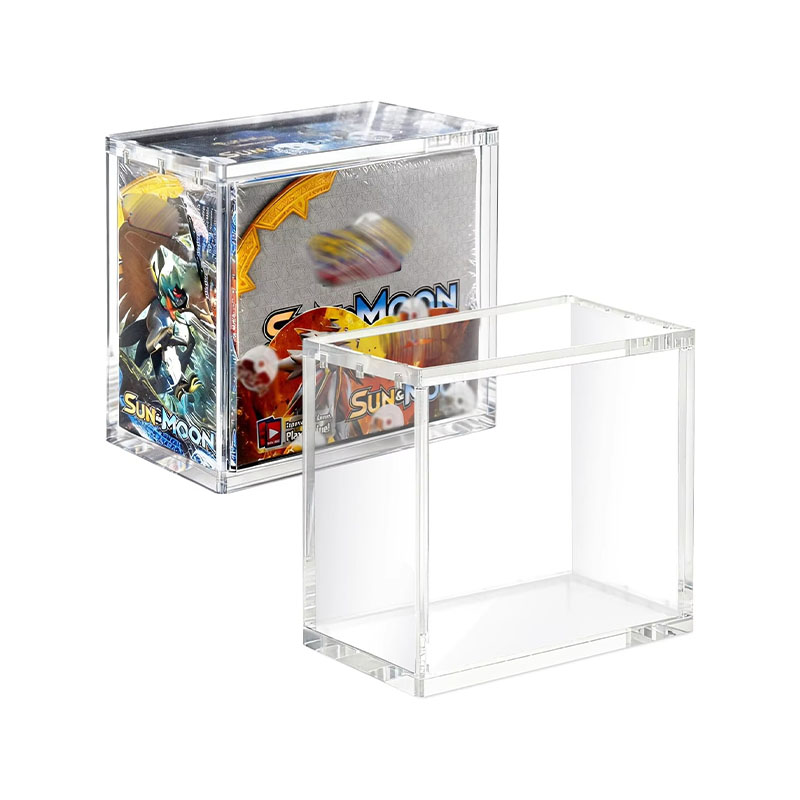
The Lightweight Acrylic ETB Card Display Case UV Protection is designed for retailers, licensed-product suppliers, collectors, exhibition contractors, event agencies, and brands that need a clear, durable, and customizable presentation solution. Made from high-grade acrylic, the case combines strong visual transparency with a lightweight structure that is easier to transport, install, store, and arrange in commercial environments.
Unlike ordinary storage containers that hide the product or low-quality plastic boxes that quickly become cloudy, brittle, or scratched, this acrylic display case is designed around visual presentation. Its transparent construction allows product artwork, logos, packaging details, and character graphics to remain easy to see. At the same time, the structure helps create a cleaner barrier between the collectible and the surrounding environment.
The product is also suitable for OEM and ODM development. Buyers can request customized dimensions, shapes, colors, printing, finishes, packaging, and structural details according to their sales channels and product specifications. This makes the case more than an off-the-shelf container. It can become part of a coordinated merchandise display program for a retail chain, brand campaign, exhibition, promotional event, or licensed IP collection.
Lightweight Acrylic ETB Card Display Case UV Protection
Why an Acrylic ETB Display Case Is Valuable
ETB products and other card packages are usually designed with highly detailed printed artwork. The exterior may include character illustrations, set information, foil effects, brand marks, collector numbers, and carefully designed color schemes. When these products are placed on a shelf without protection, the packaging may be exposed to dust, fingerprints, friction, accidental impact, and repeated handling.
Acrylic provides a transparent protective layer while maintaining a high level of product visibility. Customers can see the package without opening the case, and retailers can create a more organized display arrangement. For collectors, the case offers a professional way to exhibit valuable or memorable products at home, in a hobby store, or at an event.
The lightweight construction is especially useful for commercial applications. Large acrylic display systems made from thick or heavy materials can be expensive to ship and difficult to move. A lighter case can reduce handling effort and make it easier for staff to change product layouts. It is also more convenient for exhibitors who need to transport displays between venues.
UV protection adds another important advantage. Continuous exposure to strong light can contribute to fading, discoloration, or gradual deterioration of printed packaging. A UV-protective display solution helps reduce the impact of ultraviolet exposure, particularly in retail windows, showrooms, trade fairs, exhibition halls, and brightly lit collector rooms. The level of protection depends on the final material specification and design, but the product can be developed to support applications where light exposure is a serious concern.
Key Product Advantages
High Visual Transparency
High-grade acrylic offers excellent light transmittance, allowing the displayed ETB box or card-related package to remain visible without the visual distortion associated with some low-grade plastics. Clear surfaces help preserve the appearance of printed artwork and enable customers to inspect the product from the front, sides, and top.
Visual clarity is especially important for licensed merchandise. A display case should not distract from the character design, logo, or packaging artwork. The transparent structure allows the product itself to remain the main visual focus while adding a refined and professional presentation layer.
Lightweight Construction
The case is designed to provide practical protection without creating unnecessary weight. Compared with glass display solutions, acrylic is easier to carry and less likely to create transportation problems. It can be used in temporary displays, retail fixtures, promotional booths, and mobile exhibition programs where products need to be installed and removed repeatedly.
A lighter structure can also support more efficient packing. Depending on the final design, several units may be packed together with protective materials to reduce the risk of damage during shipment. Buyers can also request packaging solutions suited to sea freight, air freight, or express delivery.
Scratch-Resistant Surface Performance
Acrylic is a durable display material with good resistance to ordinary surface wear when properly handled. The material can help protect the displayed product from dust and incidental contact while maintaining an attractive appearance over repeated use. Appropriate packaging, cleaning methods, and handling procedures should still be followed to preserve the surface quality.
For retail and exhibition applications, scratch resistance is a meaningful advantage because display cases may be moved, rearranged, or handled by staff. A well-produced case remains presentable for longer and helps reduce the need for frequent replacement.
UV Protection Potential
The product is positioned as a UV-protective display solution for customers who want to reduce the risk of light-related damage. UV protection can be incorporated through suitable acrylic material selection, surface treatment, or other design specifications according to the project requirements.
This feature is valuable for collectible card products because packaging artwork and printed surfaces can be sensitive to prolonged exposure to intense light. A display case with UV-related protection helps support preservation while still allowing attractive visual presentation.
Precision-Finished Edges
Laser cutting technology enables accurate shaping and clean dimensional control. Smooth edges contribute to the professional appearance of the case and help create a more comfortable handling experience. Precision cutting also supports repeat production, which is important when a buyer needs hundreds or thousands of units with consistent dimensions.
Compared with manually cut or poorly finished plastic boxes, precision-manufactured acrylic cases offer better alignment, cleaner corners, and more reliable assembly. This consistency is particularly important for retail programs in which every store or event location must present the same visual standard.
Customizable Dimensions
ETB packaging can vary by release, market, edition, and manufacturer. A fixed-size container may not provide the best fit for every product. This display case can be developed in customized sizes so that the interior space, exterior footprint, and opening structure are appropriate for the intended package.
Buyers can discuss the target product dimensions, clearance requirements, stacking considerations, access method, and installation environment before production. Custom sizing can help prevent excessive movement inside the case while avoiding a fit that is too tight for convenient insertion and removal.
Suitable for Commercial and Personal Use
Although the product is suitable for individual collectors, its primary value extends to business applications. Retailers can use it to display sealed card products, promotional bundles, or limited-edition releases. Licensed-product suppliers can use it to present new merchandise at trade events. Brand agencies can integrate it into campaign displays, and exhibition contractors can use it as part of a larger visual merchandising system.
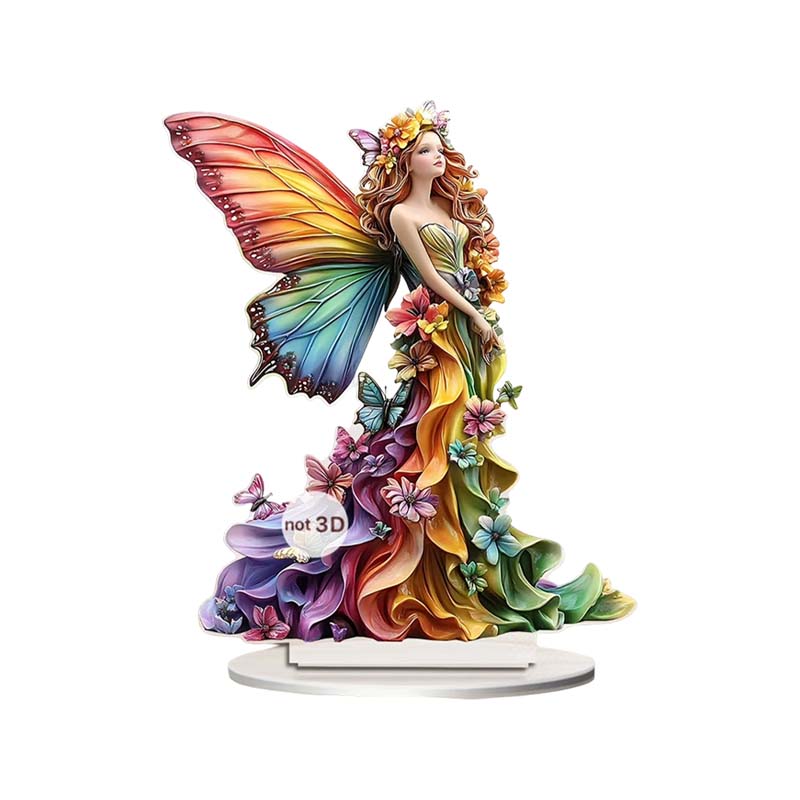
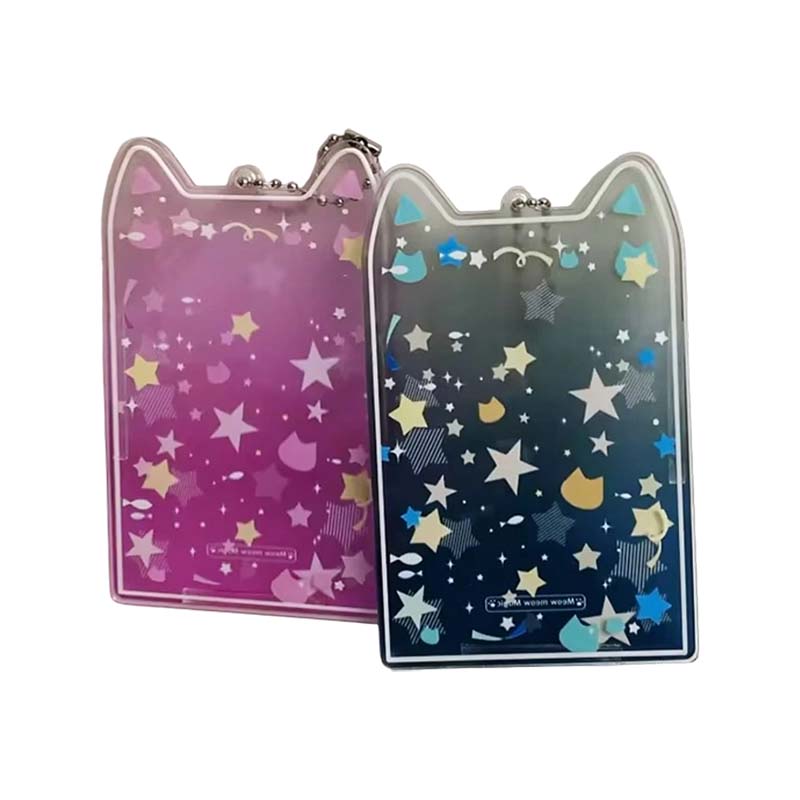
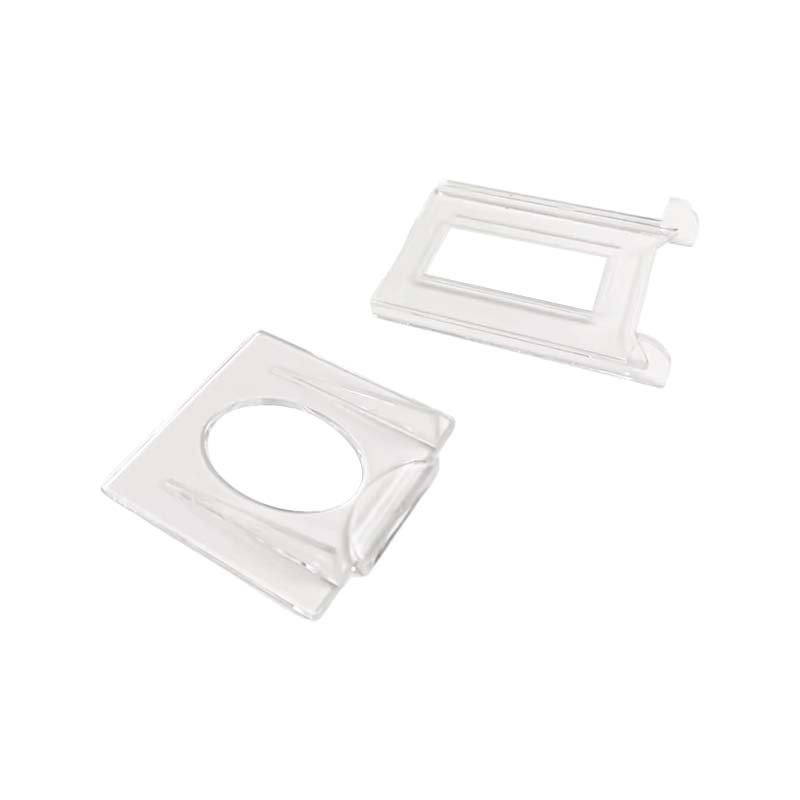
The same manufacturing platform can also support related acrylic products, including standees, keychains, clips, fridge magnets, display cases, metal badges, wall hooks, and other custom gifts. This allows buyers to develop coordinated product families rather than sourcing each type of merchandise from a different supplier.
Advantages Over Common Competing Display Solutions
Compared with Glass Cases
Glass is known for excellent clarity, but it is heavier and more fragile than acrylic. Large quantities of glass cases can increase freight costs and create additional handling requirements. Breakage during transportation can also cause product loss, delays, and safety concerns.
Acrylic offers a practical alternative for customers who need transparency with lower weight and improved handling convenience. It is particularly suitable for temporary exhibitions, traveling events, retail promotions, and frequent store layout changes. While acrylic still requires proper care, it is generally easier to manage in high-volume commercial distribution.
Compared with Ordinary Plastic Boxes
Low-cost plastic containers may be inexpensive, but their clarity, rigidity, surface finish, and long-term appearance can vary widely. Some plastics become cloudy, deform under heat, or develop visible scratches after repeated use. A premium acrylic case provides a more polished presentation and better support for high-value or licensed products.
The difference is visible at the point of sale. A clear, well-finished acrylic case can make a collectible look more premium, whereas a thin or poorly formed container may reduce the perceived value of the merchandise. For brands and retailers, display quality can influence customer confidence and purchasing interest.
Compared with Open Shelving
Open shelving provides easy access but leaves products exposed to dust, fingerprints, accidental impact, and uncontrolled handling. It may also create a less organized appearance when products are displayed at different angles or heights.
An acrylic case creates a defined presentation zone. The package stays visually accessible while receiving an additional layer of separation from the surrounding environment. This is useful for limited-edition products, display samples, signed items, promotional releases, and merchandise that retailers want customers to view but not handle freely.
Compared with Fabric or Cardboard Packaging
Fabric covers and cardboard sleeves may protect products during transportation, but they are not ideal for permanent visual display. They conceal the product and can become worn, creased, or stained. Acrylic maintains visibility and provides a more durable presentation format for shelves, counters, cabinets, and exhibition platforms.
Compared with Non-Custom Standard Sizes
Standard display boxes may be available quickly, but they may not match the exact dimensions of the product or the space available at the point of sale. Gaps can cause movement, while an oversized box may use valuable shelf area inefficiently.
Custom manufacturing allows the design to respond to the actual product and commercial environment. The buyer can define size, shape, access, printing, color, packaging, and other details before mass production. This flexibility is a major advantage for importers, retailers, and IP owners managing specialized product lines.
| Comparison Factor | Acrylic ETB Display Case | Glass Case | Ordinary Plastic Box | Open Shelf |
|---|---|---|---|---|
| Visibility | High transparency with a clean presentation | High transparency | Varies by material quality | Fully visible but unprotected |
| Weight | Lightweight and practical for shipping | Relatively heavy | Usually lightweight | Depends on shelf structure |
| Customization | Size, shape, color, printing, and packaging can be customized | Customization may be more complex | Often limited for standard models | Limited to shelf arrangement |
| Commercial Presentation | Premium and organized | Premium but less mobile | Ranges from basic to acceptable | Simple and open |
| UV Protection Options | Can be specified for the project | Depends on the glass specification | Depends on the plastic formulation | None unless added separately |
| Transport Convenience | Suitable for air, sea, and express shipment | Requires greater care and stronger packaging | Usually convenient but may be less durable | Not a product container |
Advanced Manufacturing Process
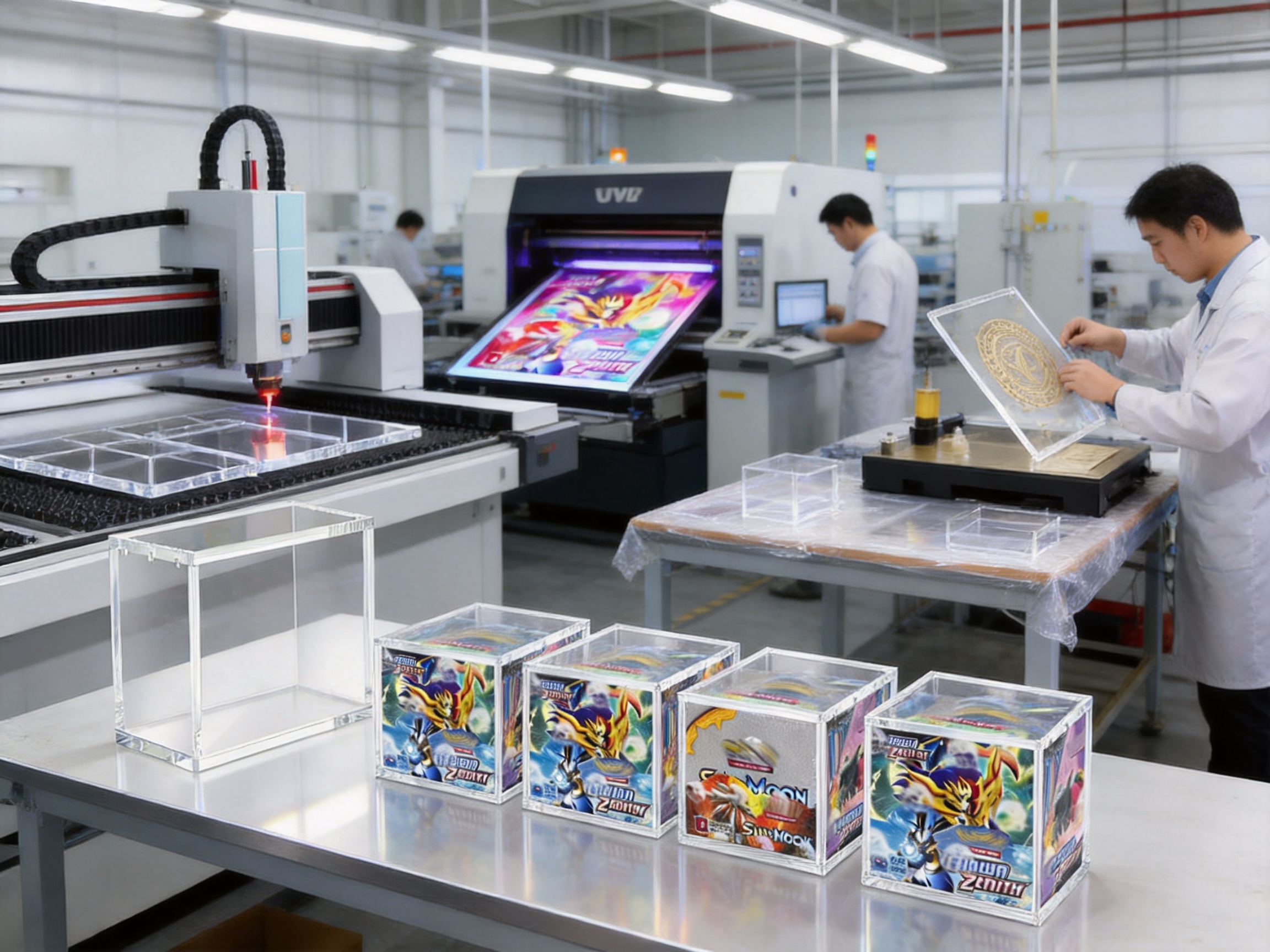
The quality of an acrylic display case depends on more than the material itself. Design accuracy, cutting precision, printing quality, edge treatment, assembly, inspection, and packaging all affect the final product. A reliable manufacturing partner should manage these stages as part of one coordinated process.
1. Requirement Review and Product Analysis
Production begins with an evaluation of the buyer’s product and application. The manufacturing team reviews the ETB dimensions, required internal clearance, display orientation, opening method, base structure, branding requirements, shipping conditions, and expected order volume.
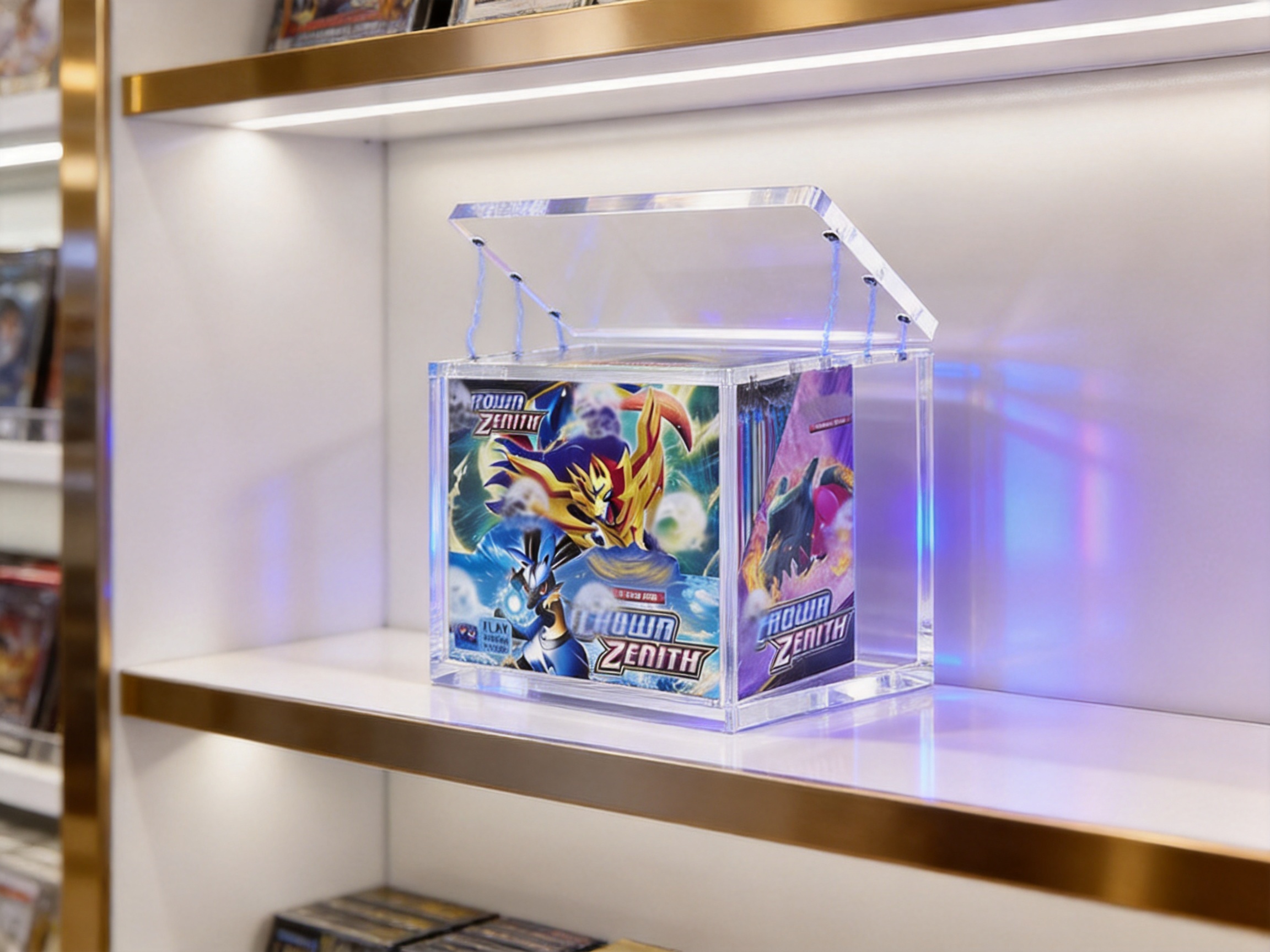
This stage helps identify potential issues before tooling or bulk production begins. For example, the team may determine whether the case needs a stronger base, additional ventilation, a removable top, a sliding structure, a magnetic closure, or a special interior support. Early review reduces the risk of expensive revisions later.
2. Design Adaptation and Engineering
Custom design is an important part of the service. Buyers may provide sketches, product samples, technical drawings, photographs, or general requirements. The design team can convert these materials into a production-ready concept and adapt the structure to suit acrylic fabrication.
Design adaptation can also be used for branded displays. Logos, character graphics, campaign slogans, and decorative elements may be incorporated through printing, engraving, inserts, or other suitable processes. The objective is to maintain a balance between brand visibility and product visibility.
The company’s graphic design team can prepare design drafts quickly, with an advertised ability to provide draft support within approximately two hours for suitable projects. Urgent sample requests may also be completed within approximately 24 hours, depending on design complexity and material availability.
3. Material Selection
High-grade acrylic is selected according to the required transparency, thickness, color, surface performance, and application. The material specification can be adjusted for different products and environments. A retail countertop case may require a different structure from a large exhibition display or a shipping-oriented protective box.
For UV-sensitive applications, buyers should confirm the required level of ultraviolet protection, light exposure conditions, and any testing or documentation needed for their market. The material and production team can then recommend an appropriate specification.
4. Laser Cutting and Precision Shaping
Laser cutting equipment is used to create accurate panels, bases, supports, and decorative components. Precision cutting helps maintain consistent dimensions across a production batch and supports complex shapes that may be difficult to achieve through basic manual methods.
The process also contributes to smooth, clean edges. After cutting, components can undergo additional polishing or finishing to improve the appearance and handling quality. Proper control of heat, speed, and cutting parameters is essential to reduce unwanted marks and maintain a clear surface.
5. UV Printing and Graphic Application
When customization requires graphics, UV-cured printing can be used to apply vivid, fade-resistant artwork to suitable acrylic surfaces. This technology supports full-color designs, logos, decorative patterns, and promotional messages.
UV-cured ink is treated during the printing process so that it adheres firmly to the material surface. The result is a detailed printed finish suitable for branded merchandise and commercial displays. Buyers can request specific artwork placement, print coverage, color requirements, and surface effects during the design stage.
6. Engraving and Special Finishes
Engraving machines can be used for selected designs, text, logos, line art, or tactile decorative effects. Engraved elements may be combined with printed graphics to create additional depth and visual interest.
Other finishing possibilities may include customized colors, special plating-related treatments for applicable components, polished edges, layered acrylic, printed inserts, and decorative structures. The appropriate method depends on the design, budget, target market, and expected production volume.
7. Assembly and Polishing
After cutting and printing, the components are assembled according to the approved design. The production team checks alignment, bonding, stability, edge condition, and overall appearance. Polishing and finishing help create a refined surface and remove unwanted roughness from the manufacturing process.
Careful assembly is essential because a display case must not only look attractive but also remain stable during use. The base should support the intended product, panels should be aligned, and openings or removable components should function as expected.
8. Quality Inspection
Quality control is integrated into the manufacturing process. Inspection may include checking dimensions, transparency, surface condition, print registration, color consistency, edge finish, structural stability, and packaging condition.
An ISO 9001-certified factory system supports consistent production management and documented quality procedures. Certification does not eliminate the need for project-specific inspection, but it indicates that the factory operates within a structured quality management framework.
9. Protective Packaging and Shipment Preparation
Acrylic products must be packed carefully to reduce the possibility of scratching, cracking, corner damage, or surface contamination during transportation. Individual units can be protected with suitable wrapping, separators, cartons, and cushioning materials according to the shipping method and order size.
The standard single-package reference for this product is approximately 21.0 × 11.0 × 19.0 centimeters, with a gross weight of approximately 2.0 kilograms per unit. Final packaging dimensions and weight may change according to the selected design, material thickness, accessories, and order configuration.
OEM and ODM Customization Capabilities
One of the strongest advantages of this product is its compatibility with full OEM and ODM service. Buyers do not need to limit their project to a pre-existing model. The case can be developed as part of a larger commercial merchandise program.
Size and Shape Customization
Custom dimensions can be developed for different ETB packages, collector boxes, promotional sets, and related products. Rectangular designs are common because they provide efficient use of shelf space, but other shapes and structural layouts may be considered when the application requires a distinctive presentation.
Customers can also request different base configurations, stacked arrangements, angled displays, multi-compartment structures, or cases that coordinate with other acrylic fixtures. The final design should always be evaluated for stability, manufacturing feasibility, and shipping efficiency.
Branding and Printing
Brand marks, licensed IP artwork, campaign graphics, character illustrations, and product information can be applied through suitable printing or engraving methods. Branding can be subtle, such as a small logo on the base, or more prominent, such as a fully printed promotional panel.
For licensed characters, the buyer should provide authorized artwork and confirm usage rights. The design team can adapt the artwork to match the available print area and production process while preserving important visual details.
Color and Material Options
Clear acrylic is often preferred for display cases because it keeps attention on the product. However, customized colors, translucent panels, frosted elements, colored bases, and layered effects may be available for campaign-specific projects.
Material options should be selected according to the required clarity, durability, printing method, UV-related performance, and budget. The manufacturing team can help buyers compare specifications before confirming the final sample.
Packaging Customization
Packaging can be designed for direct retail sale, bulk import, event distribution, or internal display installation. Custom cartons, printed inserts, protective films, instruction cards, and barcode labels can be discussed for larger programs.
Good packaging is particularly important for export orders. It protects the acrylic during transportation and can also improve warehouse handling, product identification, and retail presentation.
Applications Across Multiple Industries
Retail Stores and Hobby Shops
Retailers can use acrylic ETB display cases to create dedicated sections for collectible card products. The cases can be placed on counters, wall shelves, glass cabinets, or promotional tables. A protected display makes special products easier to identify and helps organize a premium merchandise area.
For stores that sell both open and sealed products, the display case can distinguish limited releases or high-value products from ordinary stock. It can also be used to display a sample while inventory remains stored safely behind the counter.
Licensed IP Merchandise
Animation studios, game companies, character licensors, and branded-product suppliers can use the case to showcase licensed collections. Clear acrylic allows characters and packaging designs to remain visible while the display format reinforces the premium nature of the product.
Related acrylic products such as standees, keychains, clips, magnets, hooks, and badges can be arranged alongside the ETB case to create a complete IP merchandise display. This coordinated approach can increase visual impact at retail counters, exhibitions, and launch events.
Trade Shows and Exhibitions
Exhibitors need displays that are attractive, portable, and easy to install. The lightweight acrylic structure is suitable for booths where staff must transport products between venues. Customized logos and printed graphics can also help integrate the case into a larger booth design.
Several cases can be arranged at different heights or combined with acrylic risers and standees. This creates a more dynamic presentation than placing every product flat on one table.
Brand Activations and Corporate Events
Marketing agencies and event contractors can use customized display cases during product launches, fan events, promotional campaigns, and corporate exhibitions. The case can protect a featured collectible while directing attention toward a brand message or campaign theme.
Because the product can be customized in size, color, printing, and packaging, it can be adapted to temporary events as well as longer-term promotional installations.
Collectors and Home Display
Individual collectors can use the case to protect and present favorite ETB products, sealed releases, signed packages, or memorable items. Its modern rectangular form can fit into shelves, display cabinets, hobby rooms, offices, and entertainment areas.
Collectors should place the case away from direct sunlight, excessive heat, moisture, and unstable surfaces whenever possible. UV protection can help reduce exposure-related risks, but no display system can replace sensible environmental control.
Quality and Production Strengths
Wenzhou Chuangheng Packaging Co., Ltd. operates as a source manufacturer specializing in customized acrylic cultural and creative products. Its product range includes acrylic standees, keychains, clips, fridge magnets, figure display cases, badges, wall hooks, and other acrylic gifts.
The factory is equipped with UV printers, engraving machines, laser cutting machines, and related production equipment. This equipment supports a one-stop process covering design, material cutting, printing, shaping, polishing, assembly, and packaging.
Managing these processes within one manufacturing system can improve communication and reduce coordination problems between separate suppliers. Buyers can discuss a project with one production partner from the initial concept through sampling and mass production.
The company also has an experienced graphic design team serving international customers. Design drafts can be prepared quickly, and urgent samples may be completed within approximately 24 hours when the project is suitable. These capabilities are useful for businesses working under launch deadlines or preparing for trade events.
Foreign-trade experience supports shipments to South Korea, Japan, the United States, and other international markets. The company offers flexible support for small trial orders and mass production, allowing customers to evaluate a design before committing to a larger program.
The factory’s stated minimum order quantity for custom acrylic standees is 100 pieces. For display cases, the final MOQ should be confirmed according to the design, material, printing, packaging, and production requirements. Flexible order discussions may be available for trial orders and larger projects.
Ordering and Project Development Process
Step One: Submit Product Requirements
The buyer should provide the dimensions of the ETB package, reference images, desired case style, quantity, target market, branding requirements, and preferred delivery method. If the project involves licensed artwork, the buyer should also provide approved files and confirm authorization.
Step Two: Review Design and Technical Feasibility
The production team reviews the requirements and identifies the appropriate acrylic specification, structure, printing method, and packaging approach. Questions about internal clearance, access, stability, UV protection, and shipping can be addressed at this point.
Step Three: Confirm Artwork and Sample
Artwork and technical drawings are adjusted until the buyer approves the design. A sample may be produced for checking dimensions, appearance, assembly, and print quality. Sample approval is particularly important for projects involving custom shapes or multiple branding elements.
Step Four: Confirm Commercial Terms
After the design and sample are confirmed, the buyer and manufacturer finalize quantity, pricing, packaging, payment terms, and shipping method. T/T and L/C at sight are accepted payment options according to the supplied company information.
Step Five: Mass Production
The reference lead time for the product is approximately 30 days after order confirmation. For custom acrylic standees, the stated production period is approximately 15 to 20 days after design and sample confirmation. Actual timing depends on product complexity, order volume, printing requirements, material availability, packaging, and production scheduling.
Step Six: Inspection and Delivery
Finished units are inspected and packed before shipment. Sea freight, air freight, and express delivery are available. Buyers should select a method based on urgency, order volume, destination, budget, and the required level of transport handling.
Care and Display Recommendations
To maintain the appearance of the acrylic case, use a soft, clean microfiber cloth for routine dust removal. Avoid abrasive pads, rough paper towels, and cleaning agents that are not suitable for acrylic. Strong solvents may damage the surface or affect printed areas.
Do not place heavy objects on top of the case unless the structure has been specifically designed for stacking. Avoid sudden impacts, excessive bending, and high-temperature environments. When moving the case, support the base and avoid lifting it by a removable cover or thin panel.
Although UV protection helps reduce the effect of ultraviolet light, the case should not be placed in direct sunlight for extended periods. A stable indoor environment with moderate temperature and humidity is generally more suitable for long-term collectible display.
Keep the interior clean before inserting the ETB package. Small particles trapped inside may become visible against the transparent surface. If protective film is supplied, remove it carefully after the case has been installed in its final display location.
Frequently Asked Questions
Q1: What is the product designed to display?
The case is designed primarily for ETB card products and related collectible card packaging. Customized versions may also be developed for sealed boxes, promotional products, licensed merchandise, and other items with compatible dimensions.
Q2: Does the case provide UV protection?
The product is positioned as a UV-protective acrylic display solution. The exact UV performance depends on the selected acrylic material, treatment, structure, and project specification. Buyers should confirm the required protection level before production, especially for products displayed under strong lighting or near windows.
Q3: Can the dimensions be customized?
Yes. Size customization is available according to the product dimensions and application requirements. Buyers should provide accurate measurements and allow suitable clearance for insertion, removal, and safe presentation.
Q4: Can a logo or licensed character be printed on the case?
Yes. UV-cured printing, engraving, and other decorative methods can be considered for logos, character artwork, promotional graphics, and product information. Authorized artwork should be supplied by the buyer for licensed projects.
Q5: Is the acrylic case suitable for retail stores?
Yes. It is suitable for retail counters, shelves, display cabinets, promotional areas, and specialty hobby stores. Its transparency helps products remain visible while the case provides a more organized and protected presentation.
Q6: Is the case suitable for exhibitions and events?
Yes. The lightweight structure is convenient for trade shows, exhibitions, brand activations, and temporary promotional installations. Customized printing can help the case match the visual identity of the event or campaign.
Q7: How durable is the acrylic material?
High-grade acrylic provides good durability, light transmittance, and resistance to ordinary surface wear. The final durability depends on material thickness, structure, handling, and use conditions. Proper care is recommended to maintain the surface appearance.
Q8: What production equipment is used?
The factory uses UV printers, engraving machines, laser cutting machines, and other specialized equipment. These machines support accurate cutting, colorful printing, engraving, shaping, polishing, and customized production.
Q9: Can the company provide design assistance?
Yes. The graphic design team can help adapt customer artwork and prepare production drafts. The supplied service information indicates that design drafts may be provided within approximately two hours for suitable projects, while urgent samples may be completed within approximately 24 hours depending on complexity.
Q10: What is the MOQ?
The stated MOQ for custom acrylic standees is 100 pieces. The MOQ for a customized ETB display case should be confirmed according to the design, material, finishing, packaging, and production requirements. Trial orders and bulk production can be discussed.
Q11: How long does production take?
The reference lead time for this display case is approximately 30 days after order confirmation. Custom standee projects are referenced at approximately 15 to 20 days after design and sample confirmation. Final timing should be confirmed for each order.
Q12: Which shipping methods are available?
Sea freight, air freight, and express delivery are available. The best method depends on the order size, destination, delivery deadline, and transportation budget.
Q13: What payment terms are accepted?
T/T and L/C at sight are accepted according to the supplied business information. Buyers should confirm detailed payment arrangements during quotation and order confirmation.
Q14: Can the case be combined with other acrylic products?
Yes. The manufacturer also produces acrylic standees, keychains, clips, fridge magnets, badges, wall hooks, and other gifts. These products can be developed as a coordinated merchandise or display collection.
Q15: How should the case be cleaned?
Use a soft microfiber cloth and an acrylic-safe cleaning method. Avoid abrasive materials and harsh solvents. Always test a cleaning product on an inconspicuous area if its compatibility is uncertain.
Conclusion
The Lightweight Acrylic ETB Card Display Case UV Protection is a practical solution for businesses and collectors that need visibility, protection, portability, and customization in one display product. Its high-grade acrylic construction supports clear presentation, while the lightweight structure makes it easier to transport and install than many glass alternatives.
Its advantages become more significant in commercial settings. Retailers can create premium product presentations, licensed-product suppliers can showcase branded merchandise, and event agencies can use customized cases in mobile promotional environments. The ability to adjust size, shape, color, printing, finishing, and packaging allows the case to respond to different products and sales channels.
The manufacturing process adds further value. UV printing, laser cutting, engraving, polishing, design adaptation, assembly, quality control, and packaging are coordinated through a one-stop production system. ISO 9001 certification, international trade experience, flexible MOQ discussions, and support for both trial orders and mass production provide a strong foundation for B-end purchasing.
For customers comparing acrylic, glass, ordinary plastic, and open shelving, this display case offers a balanced combination of visual clarity, lightweight handling, durable presentation, UV-related protection, and OEM/ODM flexibility. With accurate product information, approved artwork, suitable material specifications, and careful packaging, it can become a reliable component of a professional collectible merchandise program.
References
1. Product specification materials for Lightweight Acrylic ETB Card Display Case UV Protection, including material, application, packaging, lead time, and customization information.
2. ISO 9001 quality management principles for manufacturing consistency, process control, documentation, and continual improvement.
3. General acrylic fabrication practices covering laser cutting, edge finishing, polishing, engraving, printing, and protective packaging.
4. General retail and exhibition merchandising principles for transparent product display, collectible presentation, and branded visual communication.
5. General conservation considerations for printed packaging and collectibles, including light exposure, dust control, handling, and display environment management.
Product: Lightweight Acrylic ETB Card Display Case UV Protection

Ready to Begin?
Product Categories
Contact Information
 Email:
kaelissia.shop@gmail.com
 Phone:
+86-18968933800
 Address:
No.515, Lingxi Strait Avenue, Cangnan, Wenzhou, Zhejiang, China
QR Code
Copyright © Wenzhou Chuangheng Packaging Co., Ltd. All rights reserved.
