 +86-18968933800
 No.515, Lingxi Strait Avenue, Cangnan, Wenzhou, Zhejiang, China


 English
 Français
 Español
 Deutsch
Blog ·
Blog ·
Blog ·
Blog ·
Blog ·
Blog ·
Blog ·
Blog ·
Blog ·
Blog ·
Blog ·
Blog ·
Blog ·
Blog ·
Blog ·
Blog ·

Custom UV-Printed Acrylic Student Binding Clip Keychain for Promotional and Retail Programs
Introduction
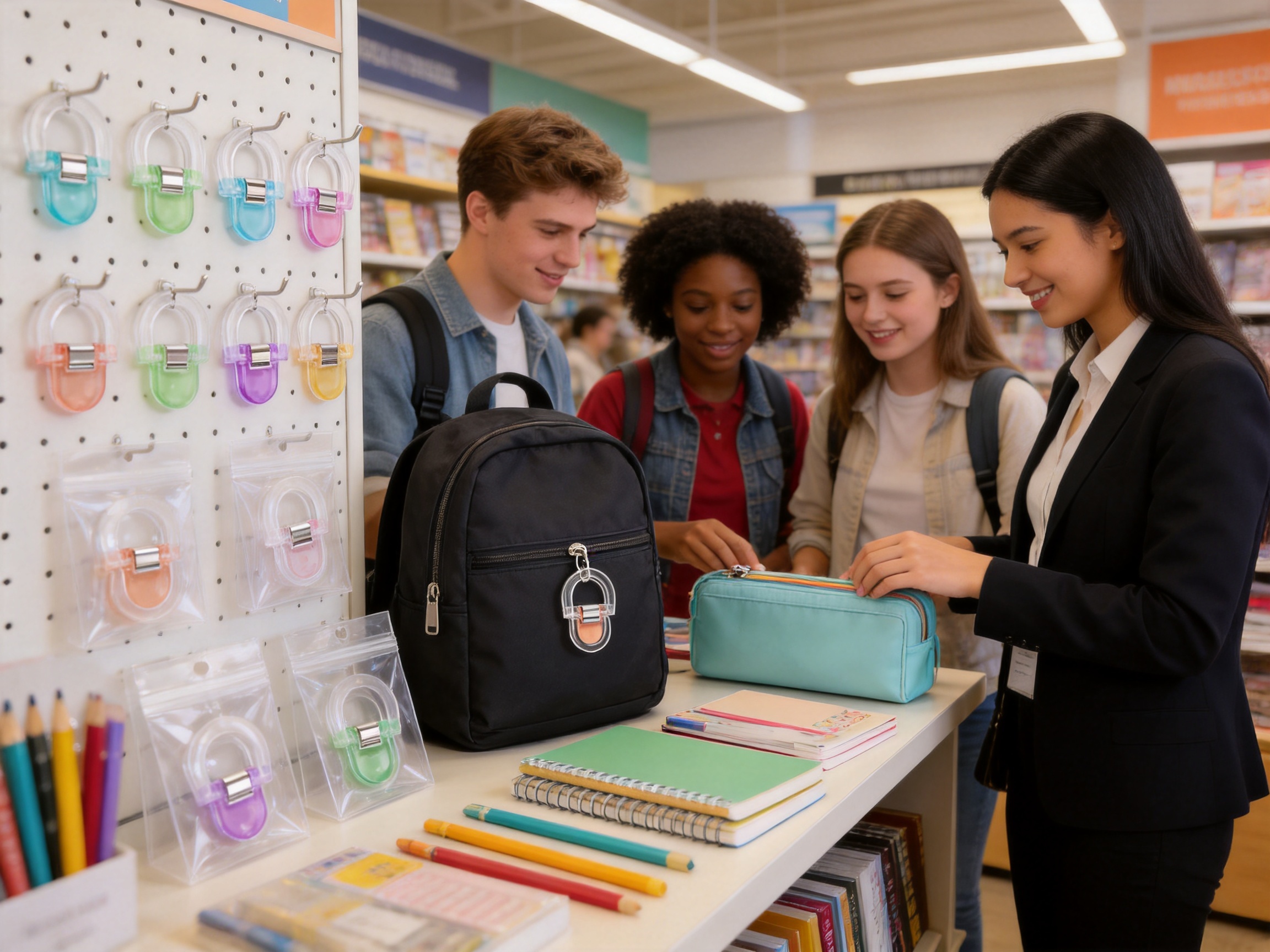
Custom acrylic accessories have become an important part of promotional merchandise, school-themed products, event souvenirs, retail gift collections, and branded campaign materials. Among these products, the custom UV-printed acrylic student binding clip keychain combines several practical and visual functions in one compact item. It can serve as a colorful keychain, a decorative binder clip, a student accessory, a campaign giveaway, or a small retail product with strong customization potential.
The Custom Acrylic Keychain UV Printed Student Binding Clip is designed for business customers that need reliable production, attractive presentation, flexible customization, and repeatable quality. It is manufactured from 3mm acrylic sheet, shaped through precision CNC cutting, decorated with high-resolution UV printing, and fitted with corrosion-resistant stainless steel hardware. These features give the product a useful balance of durability, visual appeal, lightweight handling, and cost efficiency.
Unlike ordinary low-cost plastic clips or simple single-sided printed charms, this product is developed for professional procurement programs. Buyers can customize the shape, size, colors, artwork, printing layout, hardware, packaging, and surface finish. The product can also be printed on both sides, allowing different designs to appear on the front and back. An optional epoxy coating can add a glossy surface and another layer of protection.
For importers, distributors, promotional agencies, retail stores, schools, event organizers, and corporate purchasing teams, the product provides a practical way to turn artwork into a physical branded accessory. It is small enough for efficient shipping and storage, but visually distinctive enough to attract attention at exhibitions, school events, retail counters, and promotional campaigns.
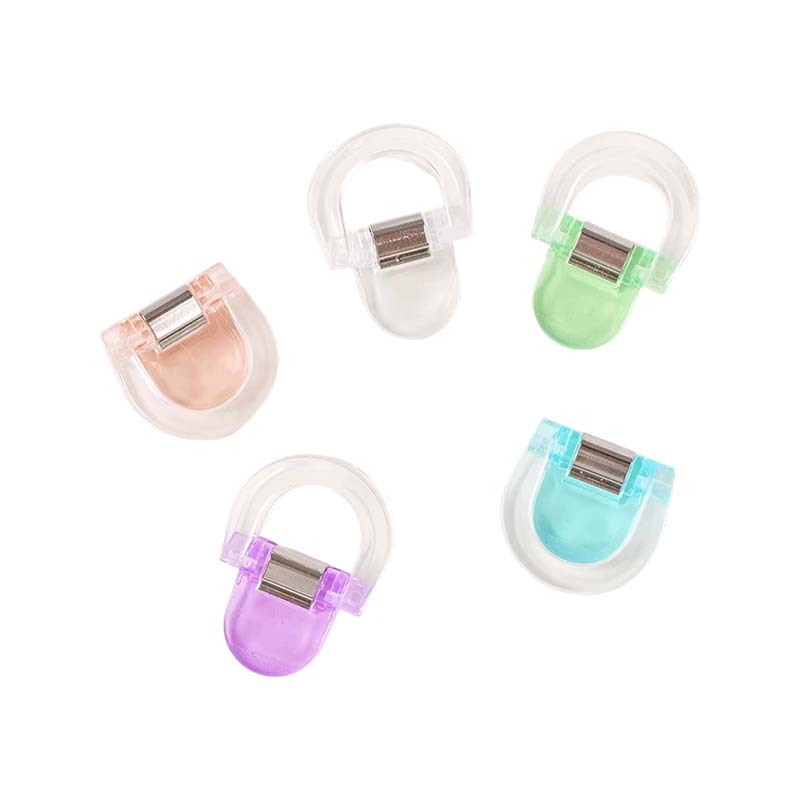
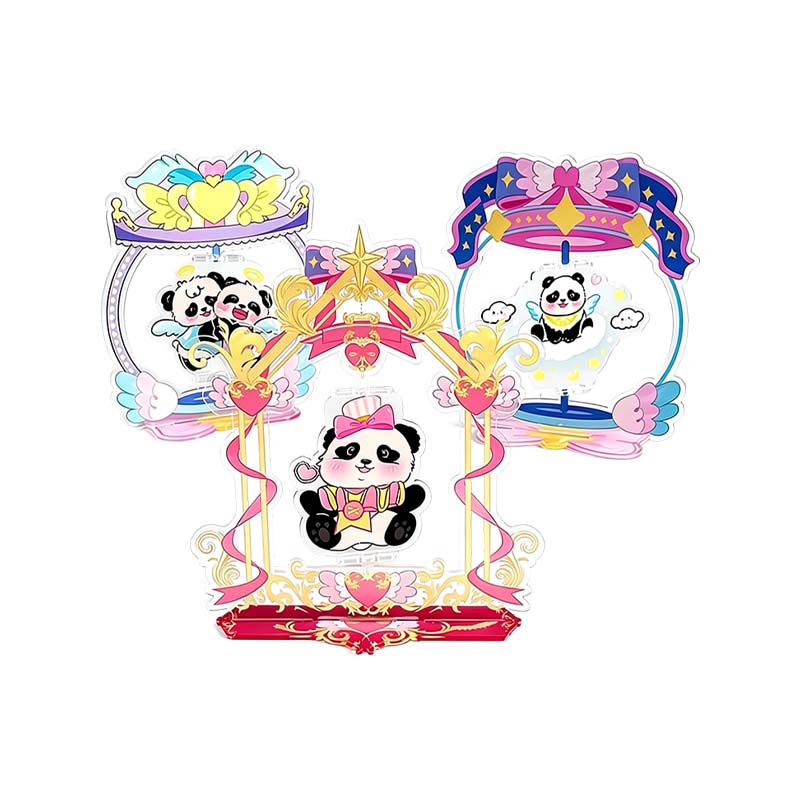
Custom Acrylic Keychain UV Printed Student Binding Clip
Product Overview
The Custom Acrylic Keychain UV Printed Student Binding Clip is a customized acrylic accessory made for applications connected with education, stationery, promotional merchandise, and creative retail products. Its clipboard-inspired style gives it a recognizable student and office-related appearance, while the keychain hardware allows it to be attached to bags, keys, pencil cases, backpacks, luggage, wallets, and display hooks.
The product name reflects its combined design concept. It has the visual character of a small binding or clipboard clip, but it can also function as a keychain or bag charm. This multifunctional format makes it suitable for school opening campaigns, graduation events, student welcome programs, bookstore promotions, office supply brands, employee gifts, and themed merchandise collections.
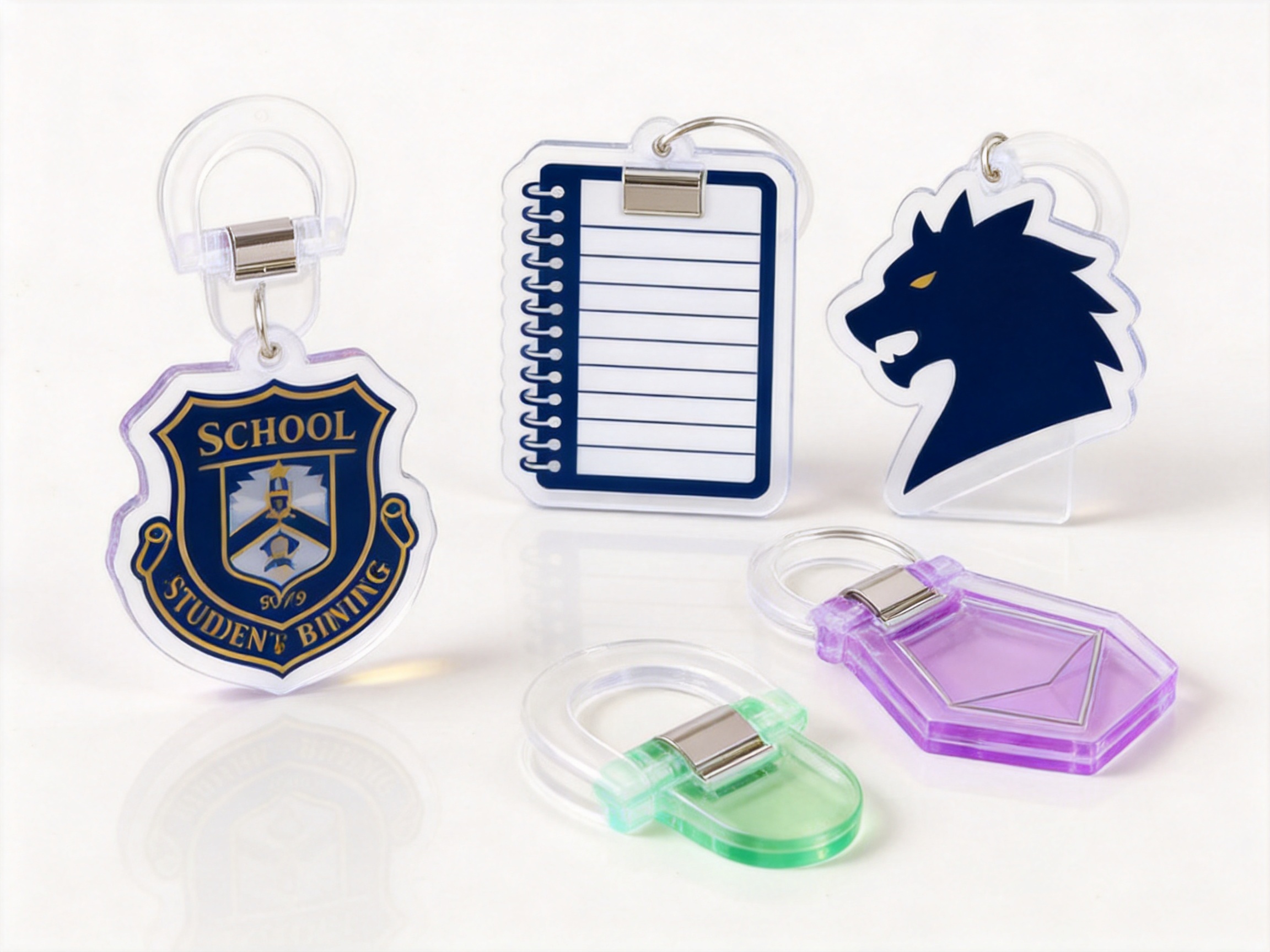
The acrylic body can be produced in a customized outline. Customers may submit a logo, mascot, illustration, character, slogan, product icon, school emblem, or campaign graphic for conversion into a finished accessory. The shape may be rectangular, rounded, irregular, character-based, logo-based, or designed around a particular visual theme.
UV printing provides full-color decoration with fine image detail. It is appropriate for artwork that includes gradients, small text, colorful illustrations, logos, patterns, or multiple visual elements. Because the printing process is digitally controlled, it is also suitable for artwork that requires accurate reproduction across many production units.
The acrylic substrate is transparent, colored, or customized according to the approved design. The combination of a clear or colored acrylic base and UV printing gives the product a clean, contemporary appearance. Compared with paper tags, thin plastic cards, or basic molded accessories, acrylic offers a more substantial feel and a higher perceived value.
Key Product Specifications
| Item | Specification |
|---|---|
| Product Type | Custom acrylic keychain and student binding clip accessory |
| Main Material | Acrylic |
| Material Thickness | Approximately 3mm |
| Printing Method | UV printing |
| Printing Format | Single-sided or double-sided printing |
| Shape | Customized according to approved artwork |
| Color | Customized color and printed artwork |
| Hardware | Corrosion-resistant stainless steel components |
| Surface Options | Standard printed finish or optional epoxy coating |
| Packaging | Individual OPP bag packaging or customized packaging options |
| Minimum Order Quantity | 50 pieces for custom printed keychain orders |
| Typical Lead Time | Approximately 30 days after order confirmation |
| Shipping Options | Sea freight, air freight, and express delivery |
Why Acrylic Is an Effective Material for Custom Accessories
Acrylic is widely used in promotional and creative products because it offers a useful combination of clarity, rigidity, light weight, and design flexibility. A 3mm acrylic sheet is thick enough to provide a solid hand feel while remaining easy to carry and economical to ship. It is also suitable for accurate cutting into detailed outlines and compact decorative forms.
Compared with paperboard or thin printed film, acrylic has greater resistance to everyday handling. A keychain may be placed inside a bag, attached to a zipper, carried with keys, or exposed to repeated contact with other objects. A rigid acrylic body is less likely to bend or lose its intended shape during normal use.
The smooth surface of acrylic also supports clean and vivid printing. When prepared correctly, the surface can display detailed graphics, sharp lettering, saturated colors, and carefully registered design elements. This is especially valuable for logos and character artwork, where small details contribute to recognition and perceived quality.
Acrylic is also more versatile than many traditional promotional materials. It can be transparent, translucent, opaque, colored, layered, printed, polished, or combined with different hardware. This flexibility allows buyers to create coordinated collections rather than a single standard product.
For businesses, material consistency is equally important. Acrylic sheets can be selected according to thickness, clarity, color, and production requirements. Standardized material preparation helps maintain a consistent appearance across samples, small trial orders, and larger production runs.
UV Printing for Vibrant and Detailed Artwork
UV printing is one of the main advantages of this acrylic accessory. The process uses digitally controlled ink placement and ultraviolet curing to create a durable printed surface. It is appropriate for full-color designs and provides a practical solution for customized orders that require detailed artwork without the need for conventional printing plates.
One important benefit is the ability to print different designs on opposite sides. A buyer may place a logo on the front and a slogan, website-free product message, mascot detail, or secondary graphic on the back. Educational products may show a school emblem on one side and a class year or student message on the other. Promotional campaigns may combine a corporate identity with a seasonal illustration.
Double-sided printing also increases the visual value of the accessory. The product can look complete from multiple viewing angles instead of presenting a blank or unfinished reverse side. This is particularly useful when the item is attached to a backpack, display hook, retail card, or transparent packaging where both sides may be visible.
UV printing supports a broad range of artwork, including vector logos, illustrated characters, photographic elements, geometric patterns, color blocks, and small text. Customers are encouraged to provide AI, PSD, PDF, or SVG files. High-resolution vector artwork is preferred because it allows the production team to maintain sharp edges and accurate proportions.
Digital printing also makes design changes more manageable. When an order includes several versions, colors, classes, departments, or campaign slogans, each version can be prepared from approved digital files. This helps businesses create product families while keeping a consistent overall format.
Color approval remains an important part of production. Screen displays, printed proofs, and final acrylic surfaces may show slight differences because of lighting, material transparency, ink behavior, and color profiles. A professional production workflow therefore includes artwork checking, sample review, and confirmation before mass manufacturing.
Precision CNC Cutting and Smooth Edges
The acrylic body is shaped through precision cutting equipment, including CNC cutting and related digital fabrication systems. Computer-controlled cutting helps maintain consistent dimensions and repeatable outlines across a production batch. This is particularly important when the product includes multiple matching pieces or when the accessory must fit a particular packaging layout.
Precision cutting is also useful for complex silhouettes. A simple rectangle is easy to produce, but custom merchandise often depends on recognizable shapes. Logos, mascots, school symbols, product outlines, and themed icons may contain curves, corners, narrow sections, or internal details. Digital cutting allows the production team to follow the approved design more accurately than manual cutting methods.
After cutting, the edges are processed to remove burrs and sharp irregularities. Smooth edges improve handling safety and give the product a more refined appearance. They also reduce the risk of scratching nearby items such as mobile phones, notebooks, glasses, other keychains, or retail packaging.
Edge quality can influence the perceived value of a small accessory. Even when the printed artwork is attractive, rough edges may make the product appear unfinished. By combining accurate cutting with edge treatment and inspection, the finished clip can present a cleaner and more professional profile.
Digital cutting also supports production efficiency. Once the approved outline has been prepared, it can be reused for repeat orders, new colorways, or updated artwork. This reduces the need to recreate the physical shape for every order and helps maintain continuity for long-term customers.
Reinforced Construction and Hardware Selection
The acrylic body is designed to withstand regular handling associated with promotional and retail use. Its 3mm thickness provides structural support without making the product unnecessarily heavy. This balance is useful for accessories that are carried throughout the day or attached to bags and stationery items.
The hardware is made from corrosion-resistant stainless steel components. Hardware quality is important because the connecting ring, clasp, or attachment point receives repeated movement and contact. Rust-resistant components are more suitable for long-term indoor and outdoor use than untreated metal that may discolor or corrode quickly.
Hardware selection can also influence the product’s visual style. A silver-tone component may suit a clean modern design, while another finish may support a playful, vintage, or premium theme. Customers can discuss hardware matching during the customization stage to create a balanced relationship between the acrylic artwork and the metal components.
The connection between the acrylic body and the hardware should be checked for alignment and stability. A well-positioned attachment point helps the product hang naturally and reduces unnecessary stress on the acrylic. It also improves the way the design faces outward when the item is attached to a bag or key ring.
For wholesale buyers, consistent hardware installation is essential. If the position, angle, or attachment method varies from piece to piece, the collection may look inconsistent. Controlled assembly procedures help maintain a uniform appearance across the order.
Advantages Over Common Promotional Accessories
Compared with Paper and Cardboard Giveaways
Paper and cardboard products are inexpensive and easy to print, but they are usually more vulnerable to moisture, folding, tearing, and surface wear. They may be suitable for temporary event communication, but they do not always provide the lasting value expected from a reusable promotional item.
The acrylic student binding clip keychain offers a more durable alternative. Its rigid construction allows the recipient to continue using or displaying it after an event. The product can therefore extend brand exposure beyond the original distribution moment.
Compared with Basic Plastic Charms
Basic plastic charms may be lightweight, but their surface quality and shape definition can vary depending on the molding method. Some low-cost plastic products have limited artwork flexibility or a less substantial appearance.
Custom acrylic supports detailed digital printing and precision-cut outlines. The clear or polished surface can create a more contemporary look, while the 3mm thickness gives the item a stronger hand feel. These qualities help the product occupy a higher position in a promotional merchandise collection.
Compared with Single-Sided Printed Items
Single-sided products may leave the reverse side blank or visually incomplete. Double-sided UV printing allows buyers to use both surfaces for communication, decoration, or storytelling.
This advantage is valuable for campaigns where product space is limited. A front design may display the main logo, while the reverse can include a school year, event title, product message, secondary image, or partner identity. The added information can increase the usefulness of the item without changing its physical size.
Compared with Standard Stock Shapes
Stock-shaped keychains can be ordered quickly, but they may not reflect a company’s visual identity. Custom cutting enables a product to be developed around the customer’s own artwork.
A unique silhouette can improve recognition and make the accessory more memorable. It may also support a coordinated product line that includes acrylic standees, fridge magnets, clips, display cases, wall hooks, badges, and other acrylic gifts.
Customization Possibilities
Customization begins with the customer’s design concept. Buyers may provide finished files or request assistance with layout, proportions, color selection, and production preparation. The design team can help translate a concept into a form that is suitable for acrylic cutting and UV printing.
Shape customization is one of the most visible options. The acrylic can follow a logo, character, symbol, product outline, stationery theme, or geometric format. The final shape should maintain enough structural strength around narrow points and attachment areas. Artwork and cutting lines should therefore be reviewed together rather than treated as separate elements.
Size can also be adjusted. A small version may be suitable for key rings and student pencil cases, while a larger version may function as a retail hanging accessory, event badge, or decorative clip. The selected size should consider artwork legibility, carrying comfort, packaging dimensions, and shipping efficiency.
Color customization can include the acrylic base, printed artwork, background layers, and design accents. Transparent acrylic may be used to create a light and modern appearance. Opaque or colored acrylic may provide stronger contrast for specific logos or illustrations.
Packaging is another important customization area. Standard OPP bag packaging offers a simple and economical individual presentation. Buyers may also discuss customized cards, labels, barcodes, instruction inserts, or coordinated packaging for retail and campaign distribution.
Epoxy coating is available as an additional surface option. It can create a glossy, slightly raised finish that emphasizes selected artwork and offers an extra protective layer. Epoxy is especially useful when the buyer wants a more premium visual effect for retail products, employee gifts, or limited-edition merchandise.
Applications in Education and Student Programs
The student-oriented design makes this accessory especially suitable for educational applications. Schools, universities, bookstores, student organizations, and education-focused brands can customize the product with an emblem, mascot, school color, graduation year, class identity, or campus illustration.
For back-to-school programs, the accessory can be included in welcome kits, orientation packages, stationery bundles, or bookstore promotions. Its compact size makes it easy to add to a larger package without significantly increasing shipping volume.
For graduation events, the design can incorporate the graduation year, school name, class slogan, or commemorative artwork. A double-sided layout can show a formal emblem on one side and a celebratory illustration on the other.
Student clubs and campus organizations can use the item as a fundraising product. A distinctive character or organization symbol can be transformed into a retail-ready keychain and sold through a campus store, event booth, or online merchandise program.
Teachers and education suppliers may also use the product as a recognition gift, participation reward, or classroom accessory. Because the design is customizable, the same basic format can be adapted for different grades, subjects, teams, or school activities.
Corporate Promotional and Marketing Uses
Corporate procurement teams and marketing agencies often need promotional products that are affordable in volume but visually more distinctive than ordinary giveaway items. The custom acrylic clip keychain can be used at trade shows, product launches, conferences, customer loyalty programs, and employee engagement activities.
At exhibitions, the accessory can attract visitors with a colorful logo or character design. Its small size makes it convenient to distribute, while its durability increases the likelihood that recipients will continue using it after the event.
For product launches, the accessory can reproduce a new product icon, packaging motif, campaign character, or simplified brand symbol. It can be distributed with samples, brochures, gift boxes, or sales kits.
Employee recognition programs may use customized accessories for anniversaries, team achievements, training completion, or internal campaigns. Different designs can represent departments, milestones, or project groups while maintaining a common production format.
Customer loyalty programs can include the product as a bonus item, membership gift, seasonal reward, or limited-edition collectible. The ability to create several designs encourages repeat engagement and gives customers a reason to collect multiple versions.
Retail Resale and Bulk Supply Opportunities
Retailers, distributors, souvenir shops, bookstores, gift stores, and online sellers can use custom acrylic accessories to create differentiated product collections. Because the shape and artwork can be changed, buyers can develop products for local attractions, school communities, seasonal events, cultural themes, or niche interest groups.
The product is well suited to retail because it is compact, easy to display, and suitable for individual packaging. It can be placed near checkout counters, hanging displays, stationery shelves, travel souvenir sections, or themed gift collections.
Retail buyers may choose to order a single design in volume or create a collection of related designs. For example, a school-themed series might include several mascots, departments, campus buildings, or graduation years. A campaign series could include different characters or color variations.
Bulk supply programs benefit from the manufacturer’s ability to support both trial orders and larger production. A minimum order quantity of 50 pieces allows buyers to test a design, evaluate market response, or prepare a small event without committing to an unnecessarily large initial quantity.
Once a design demonstrates demand, the buyer can place repeat orders using the approved specifications. Consistent digital files, cutting templates, material requirements, and packaging instructions help simplify future production.
Manufacturing Process
1. Artwork Consultation
The process begins with a review of the customer’s artwork and product requirements. The production team checks the intended shape, dimensions, color expectations, printing sides, hardware position, surface options, and packaging needs.
At this stage, potential technical issues can be identified. Very small text, extremely narrow connecting sections, low-resolution images, and crowded attachment points may require adjustment. Early review helps prevent delays during sampling and mass production.
2. Digital Design Preparation
Artwork is prepared using professional graphic design software. Vector files are preferred because they can be scaled without losing sharpness. Raster files may also be used when they have sufficient resolution and suitable color quality.
The design is separated into printing layers and cutting information. If the product requires different front and back graphics, each side is checked for correct orientation and alignment. Bleed areas and safe margins may be added to reduce the risk of visible gaps near the edges.
3. Material Selection and Sheet Preparation
Acrylic sheets are selected according to the confirmed thickness, color, clarity, and design requirements. The standard product uses approximately 3mm acrylic, which offers a balance between rigidity and lightweight handling.
Before cutting, the sheets are inspected for surface condition, protective film integrity, and visible defects. Proper preparation helps reduce dust, scratches, and contamination during printing and cutting.
4. UV Printing
The approved artwork is printed directly onto the prepared acrylic surface using UV printing equipment. Ink placement is digitally controlled to reproduce the required colors and details.
For double-sided products, the front and reverse designs are aligned according to the approved layout. Registration is important because even a small offset can affect borders, text, and symmetrical artwork.
Ultraviolet curing helps set the ink shortly after application. The printed surface is then inspected for color consistency, missing details, smudging, and alignment. Samples may be reviewed before full production begins.
5. CNC Cutting and Edge Processing
After printing or according to the selected production sequence, the acrylic sheet is cut into the approved shapes. CNC equipment follows the digital outline to create repeatable dimensions across the order.
Cut pieces are then checked and processed to remove burrs or rough edges. Edge finishing improves the appearance and handling quality of the accessory. Pieces with visible chips, cracks, serious scratches, or incorrect dimensions are separated for further evaluation.
6. Epoxy Coating When Required
If the order includes epoxy coating, the coating is applied to the designated surface after the relevant printing and cleaning stages. The epoxy must be distributed evenly to reduce bubbles, uneven thickness, or surface imperfections.
The coated pieces are placed in a controlled curing area. Once cured, they are inspected for gloss, smoothness, adhesion, and visual consistency. Epoxy coating can enhance the perceived value of the product, but it also adds a processing step and should be confirmed during quotation and sampling.
7. Hardware Assembly
Stainless steel hardware is attached after the acrylic body has passed the main appearance checks. Assembly workers verify the position of the connecting hole, ring, clip, or clasp and ensure that the components are properly secured.
Hardware assembly should be performed consistently so that the products hang at the same angle and present the printed design correctly. The connection is checked for basic stability before packaging.
8. Final Inspection and Packaging
Finished pieces are inspected for shape, printing, color, surface condition, edge quality, hardware installation, and packaging requirements. Inspection criteria may be based on the approved sample and customer specifications.
Individual products are commonly packed in OPP bags. Additional packaging instructions can be followed when the order requires retail labels, inserts, barcodes, or grouped sets. Proper packaging helps protect the acrylic surface during transport and simplifies distribution after delivery.
Factory Capabilities and Production Strengths
Wenzhou Chuangheng Packaging Co., Ltd. specializes in customized acrylic cultural and creative products. Its product range includes acrylic standees, keychains, clips, fridge magnets, display cases, metal badges, wall hooks, and other acrylic gifts.
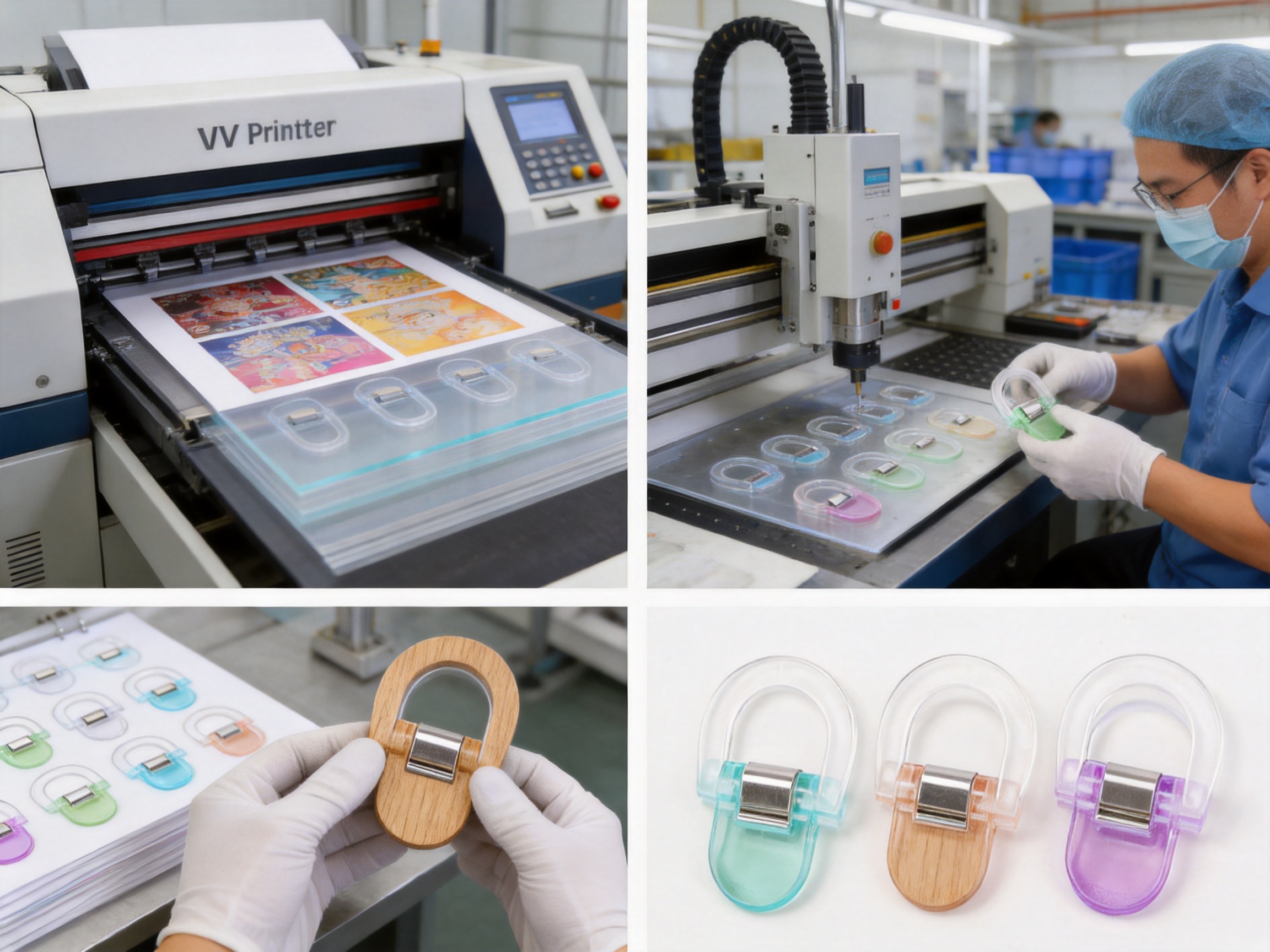
The factory is equipped with UV printers, engraving machines, laser cutting machines, and other specialized production equipment. This equipment supports the main stages of acrylic customization, including printing, cutting, shaping, and finishing.
Integrated production capability can provide advantages over suppliers that outsource every step. When design preparation, printing, cutting, polishing, assembly, and packaging are coordinated within one production system, communication can be more direct and process responsibility can be clearer.
The company also maintains an experienced graphic design team for international customers. Design drafts may be prepared quickly, and urgent samples may be completed within a short timeframe when production conditions allow. Fast sample development is useful for buyers working with event deadlines, seasonal launches, or campaign schedules.
The one-stop customization service covers design, material cutting, printing, shaping, polishing, and packaging. This allows customers to discuss the complete product rather than coordinating each operation with different vendors.
Experience in foreign trade also supports international order handling. The company serves customers in South Korea, Japan, the United States, and other global markets. Knowledge of export communication, documentation, packaging, shipping options, and order coordination can help overseas buyers manage procurement more efficiently.
An ISO 9001 certified quality management system provides a structured framework for maintaining production procedures and quality controls. Certification does not remove the need for product-specific inspection, but it demonstrates an organized approach to process management and consistency.
Quality Control Considerations
Quality control begins with material inspection. Acrylic sheets should be checked for thickness, surface condition, clarity, color, and visible defects. Consistent material helps ensure that the final products have a uniform appearance.
Artwork inspection is equally important. The production team should confirm that the correct file version is being used, that the front and back designs are positioned correctly, and that text and logos are readable at the final size.
During printing, inspectors may review color coverage, fine details, registration, and ink adhesion. Any issue that affects the appearance of the design should be identified before the full order is completed.
Cutting inspection focuses on shape accuracy, dimensions, curves, corners, and edge smoothness. For products with a custom outline, the cutting line should follow the approved design without excessive deviation.
Assembly inspection confirms that the hardware is installed in the correct position and that the attachment is secure. The product should also be checked for scratches, cracks, bubbles, contamination, and other visible imperfections.
Packaging inspection verifies that each item is individually protected and that the quantity, labeling, and packing method match the order requirements. Careful packaging reduces the risk of surface damage during transportation.
Ordering Process for Business Buyers
The ordering process normally begins with the buyer providing artwork, estimated quantity, preferred size, material requirements, printing specifications, hardware preferences, packaging instructions, and target delivery schedule.
The manufacturer reviews the information and confirms whether the artwork is suitable for production. If necessary, the design team suggests adjustments to improve cutting strength, print clarity, or visual balance.
A quotation is then prepared based on the product specifications, quantity, printing requirements, finishing options, packaging, and shipping method. The buyer may request a digital proof or physical sample before approving mass production.
After the sample or proof is confirmed, the order details are finalized. Production begins according to the approved specifications. Clear approval records are important because they provide a reference for shape, color, design placement, hardware, and packaging.
The standard lead time is approximately 30 days after order confirmation, although the actual schedule may vary according to order quantity, design complexity, sample requirements, production capacity, and packaging needs.
Shipping can be arranged by sea freight, air freight, or express delivery. Sea freight may be suitable for larger and less urgent orders, while air freight or express delivery may be preferred for smaller shipments or time-sensitive campaigns.
Payment terms include T/T and L/C at sight, subject to the commercial agreement between the buyer and supplier. Buyers should confirm all payment, production, inspection, and shipping details before placing the order.
Packaging, Storage, and Handling
Individual OPP bag packaging provides a simple protective layer for each accessory. It helps prevent surface contact between products and keeps the items organized for distribution or retail presentation.
For long-distance shipping, products should be packed in cartons with suitable internal protection. Excessive movement inside the carton may cause scratches or pressure damage, so the packing method should be selected according to product quantity and shipping conditions.
During storage, acrylic products should be kept in a clean, dry environment away from excessive heat, direct sunlight, and sharp objects. Protective films, when used, should remain in place until the products are ready for final handling or display.
Retailers should avoid stacking the products with heavy items that may place pressure on the acrylic or hardware. Individual display hooks, trays, or small bins can help maintain presentation quality.
Sustainability and Practical Product Life
A durable promotional product can provide a longer period of use than a disposable handout. When recipients continue to use a keychain or clip, the product remains visible in daily environments such as schools, offices, public transportation, retail stores, and travel locations.
Longer use can improve the practical value of a promotional campaign. Instead of being discarded immediately after an event, a well-made accessory may remain attached to a bag or stored with personal stationery for an extended period.
Businesses should select quantities carefully to reduce unnecessary excess inventory. Custom designs with broad appeal, flexible seasonal relevance, and clear target audiences may be more suitable for long-term distribution.
Packaging can also be considered during product planning. Buyers may choose efficient packaging formats and avoid unnecessary layers where appropriate. The best packaging solution should still protect the acrylic and meet retail or shipping requirements.
How to Prepare Artwork for the Best Results
Customers should provide high-resolution files whenever possible. AI, PSD, PDF, and SVG formats are accepted for custom design preparation. Vector files are generally preferred for logos, text, line art, and shapes that require scaling.
Important text should not be too small for the final product size. Fine lettering may become difficult to read after printing and cutting, especially on a compact keychain.
Designers should maintain sufficient spacing between the artwork and the cutting edge. A safe margin helps prevent the design from appearing crowded and reduces the risk of losing important details near the perimeter.
If the product uses double-sided printing, the front and back artwork should be supplied as clearly named files. The buyer should indicate whether the reverse design is intended to be viewed directly, mirrored, or aligned with the front.
Color references should be communicated clearly. Pantone references, CMYK values, RGB previews, or approved physical samples may be used as production guidance. Because acrylic and printing conditions influence the final appearance, a sample review is recommended for color-sensitive projects.
Customers should also identify transparent areas, white ink requirements, opaque backgrounds, and special effects during the design stage. These details affect the printing sequence and the final visual result.
Q&A
Q1: What is the minimum order quantity?
The minimum order quantity for custom printed acrylic keychains is 50 pieces. This quantity supports both small promotional programs and initial retail testing. Larger quantities can be produced for nationwide campaigns, distributor supply, school programs, and recurring merchandise collections.
Q2: Can the acrylic clip have a completely custom shape?
Yes. The shape can be customized according to an approved logo, character, illustration, symbol, product outline, or geometric design. The production team reviews the outline to ensure that narrow sections, corners, and attachment areas are suitable for acrylic cutting.
Q3: Is double-sided printing available?
Yes. The product supports double-sided printing, including different artwork on each side. This allows buyers to combine a primary logo with a secondary message, event detail, character element, school year, or additional design.
Q4: Can an epoxy coating be added?
Yes. Epoxy coating can be added to create a glossy and slightly raised finish. It can enhance the visual depth of the artwork and provide an additional protective surface. Epoxy requirements should be confirmed before quotation and sampling.
Q5: What file formats are accepted?
AI, PSD, PDF, and SVG files are accepted. High-resolution vector artwork is recommended for the best results, particularly when the design includes small text, sharp outlines, or a custom cutting shape.
Q6: What material is used?
The product is made from acrylic, generally using a 3mm-thick sheet for a balance of durability, rigidity, weight, and production efficiency.
Q7: Is the hardware resistant to rust?
The product uses stainless steel keychain components designed to resist corrosion. This makes the hardware suitable for regular indoor use and normal outdoor exposure, although all metal products should be protected from prolonged harsh conditions.
Q8: How long does production usually take?
The typical lead time is approximately 30 days after order confirmation. The final schedule depends on quantity, artwork complexity, sample approval, surface treatment, packaging, and shipping arrangements.
Q9: What shipping methods are available?
Sea freight, air freight, and express delivery are available. The appropriate method depends on order volume, destination, budget, and required delivery date.
Q10: Can the product be used for retail resale?
Yes. The product is suitable for bookstores, gift stores, souvenir shops, stationery retailers, distributors, online sellers, and other businesses that need compact customizable merchandise. Individual OPP bag packaging supports simple retail handling, while additional packaging can be discussed for specific sales channels.
Q11: Can the manufacturer assist with design?
Yes. The graphic design team can assist with artwork preparation, layout adjustment, shape development, and production files. Customers may provide a completed design or discuss a concept that needs to be converted into a production-ready format.
Q12: Is the product suitable for urgent events?
Urgent projects may be supported depending on the artwork, quantity, production schedule, and shipping method. Samples may be completed quickly when conditions allow, but buyers should communicate deadlines as early as possible so the complete schedule can be evaluated.
Recommended Buyer Groups
Promotional product distributors can add the accessory to their catalog as a customizable item with broad application potential. The product can be presented to schools, companies, event organizers, retailers, associations, and campaign agencies.
Marketing agencies can use it for client campaigns that require a compact branded gift. Its flexible shape and double-sided printing options allow agencies to create products that are closely connected with the campaign concept.
Schools and universities can develop customized merchandise for orientation, graduation, clubs, bookstores, fundraising, and alumni activities. The student binding clip style naturally supports educational themes.
Retailers and importers can create collections based on local characters, tourist destinations, cultural motifs, seasonal events, and stationery trends. The manufacturer’s broader acrylic product range can also support coordinated product lines.
Corporate procurement teams can order the product for exhibitions, employee gifts, loyalty programs, internal events, and customer appreciation activities. Its compact form makes it easy to distribute in large quantities.
Conclusion
The Custom Acrylic Keychain UV Printed Student Binding Clip is a practical and visually flexible product for professional promotional, educational, event, and retail applications. Its 3mm acrylic construction offers a durable and lightweight body, while UV printing provides colorful, detailed, and customizable decoration.
Double-sided printing increases the available communication space, and customized cutting allows the product to move beyond ordinary stock shapes. Stainless steel hardware supports repeated use, while optional epoxy coating can create a more premium appearance.
The product’s advantages are strengthened by an integrated manufacturing process that includes design support, material preparation, UV printing, CNC cutting, edge finishing, hardware assembly, inspection, and packaging. This one-stop approach helps business buyers coordinate the complete project through one experienced supplier.
With a minimum order quantity of 50 pieces, flexible customization, international shipping options, and support for both trial orders and mass production, the product is suitable for a wide range of B2B purchasing needs. It can extend brand visibility, support school and event programs, create new retail opportunities, and become part of a coordinated acrylic merchandise collection.
For buyers seeking a compact accessory with stronger presentation and more customization potential than ordinary giveaways, the acrylic student binding clip keychain offers an effective combination of design freedom, production precision, practical durability, and commercial versatility.
References
1. ISO. Quality Management Systems — Requirements, ISO 9001:2015.
2. International Organization for Standardization. General principles of quality management and process-based production control.
3. Acrylic Sheet Manufacturing and Fabrication Principles. Technical guidance on acrylic material properties, cutting, polishing, and finishing.
4. Digital UV Printing Practices for Promotional Products. General guidance on artwork preparation, ink curing, color management, and surface inspection.
5. Promotional Products Association International. Industry practices for customized merchandise development, product presentation, and promotional distribution.
6. Packaging and Transport Handling Guidelines for Small Acrylic Products. General recommendations for protective packaging, storage, and shipment preparation.
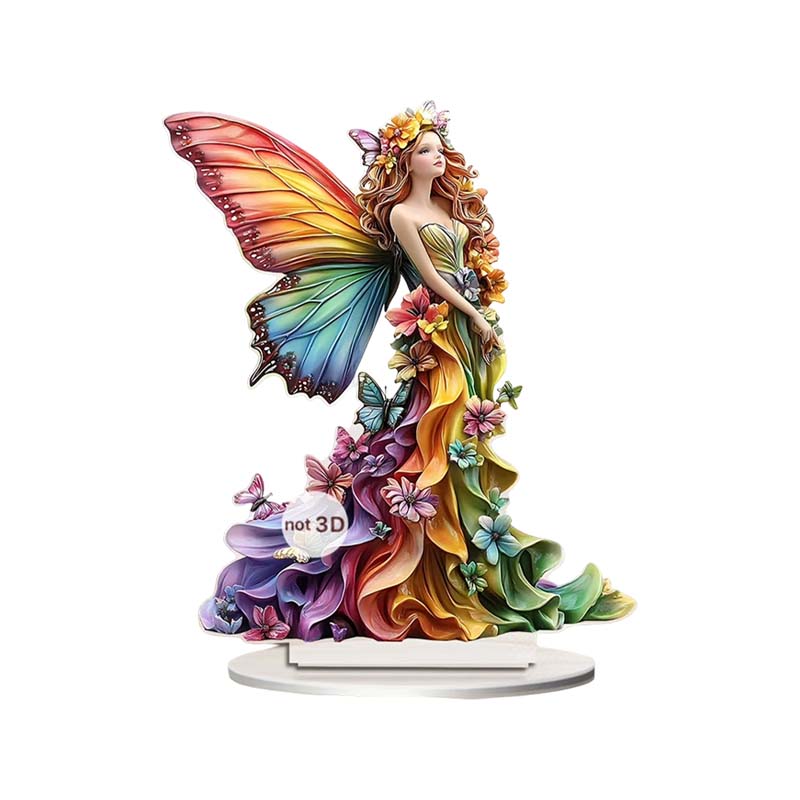
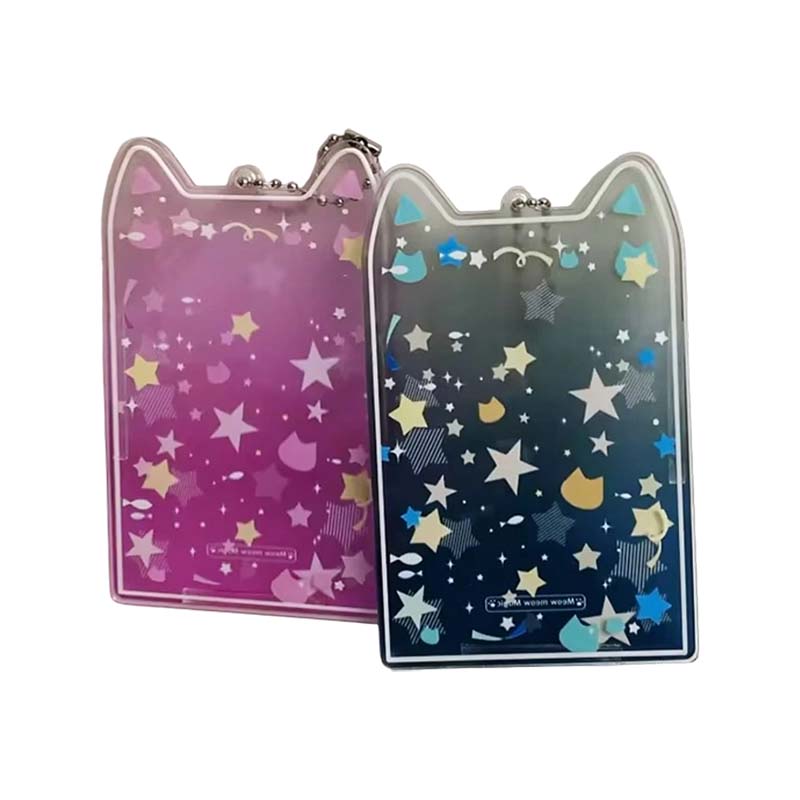
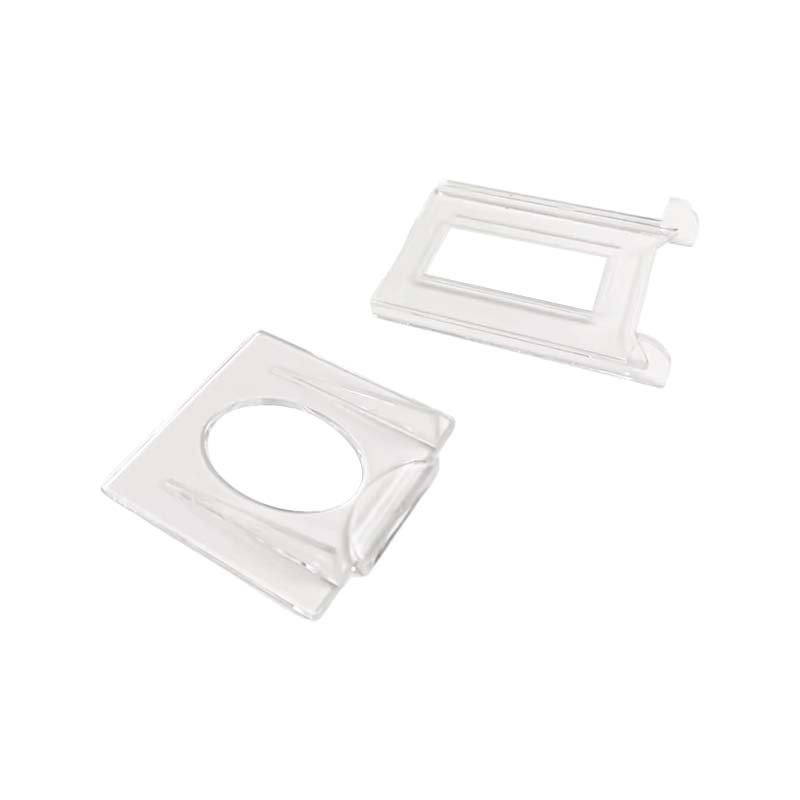
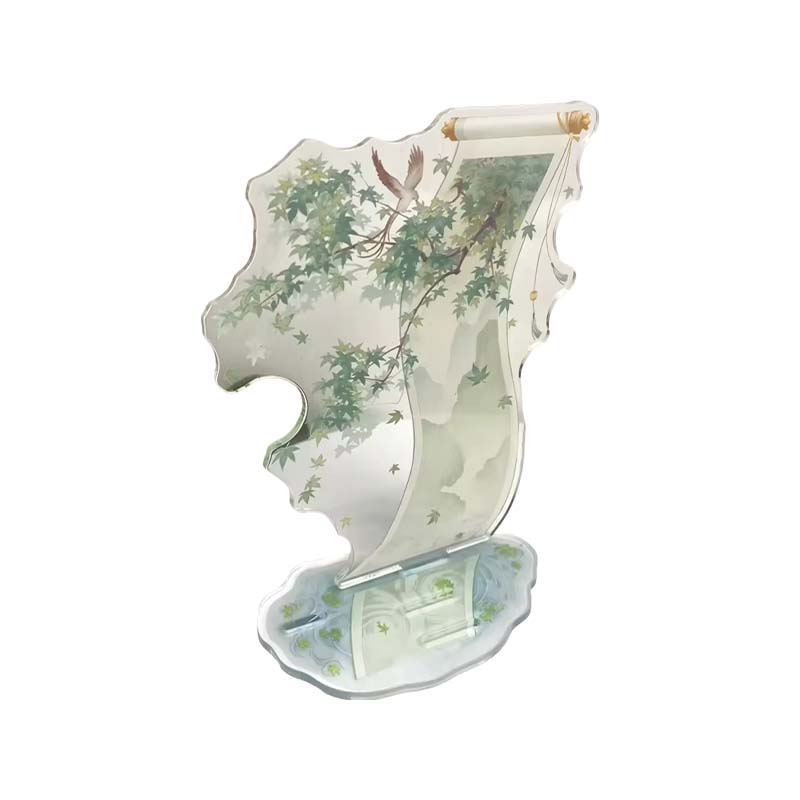
Product: Custom Acrylic Keychain UV Printed Student Binding Clip

Ready to Begin?
Product Categories
Contact Information
 Email:
kaelissia.shop@gmail.com
 Phone:
+86-18968933800
 Address:
No.515, Lingxi Strait Avenue, Cangnan, Wenzhou, Zhejiang, China
QR Code
Copyright © Wenzhou Chuangheng Packaging Co., Ltd. All rights reserved.
