 +86-18968933800
 No.515, Lingxi Strait Avenue, Cangnan, Wenzhou, Zhejiang, China


 English
 Français
 Español
 Deutsch
Industry News ·
Industry News ·
Industry News ·
Industry News ·
Industry News ·
Industry News ·
Industry News ·
Industry News ·
Industry News ·
Industry News ·
Industry News ·
Industry News ·
Industry News ·
Industry News ·
Industry News ·
Industry News ·

Could Distinctive Acrylic Keychain Designs Help Brands Build Stronger Product Collections?
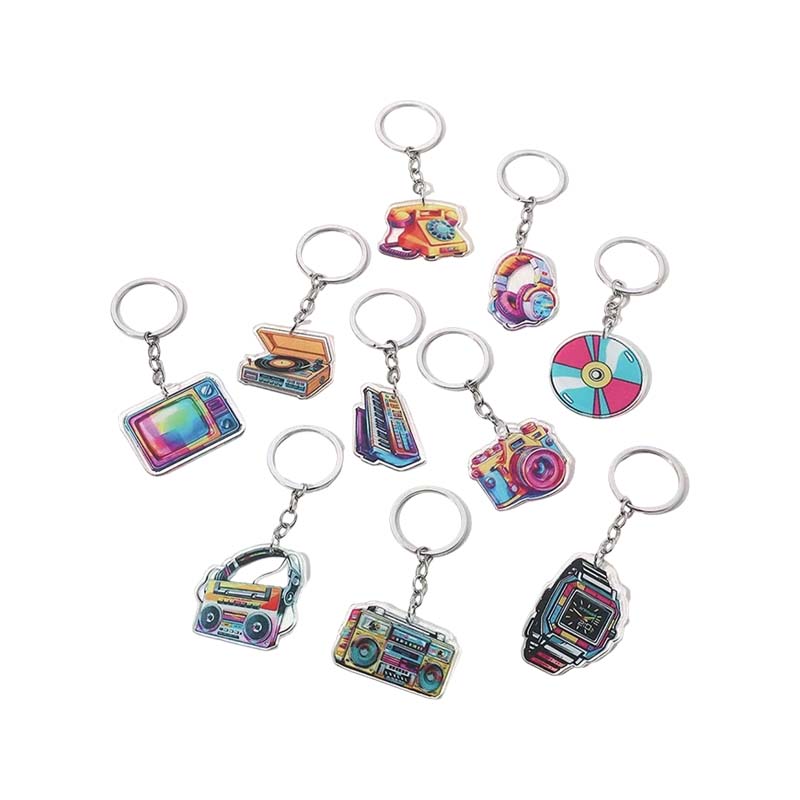
Small accessories can play a useful role in brand presentation. A keychain may carry a logo, represent a character, complement a gift set, or become part of a retail merchandise collection. However, when businesses develop several designs for the same campaign or product line, keeping each item distinctive without losing visual consistency can be challenging. For buyers planning customized merchandise, a Custom Acrylic Keychain Supplier needs to understand both the individual design and how it fits into the wider collection.
Create Visual Differences Without Losing Brand Identity
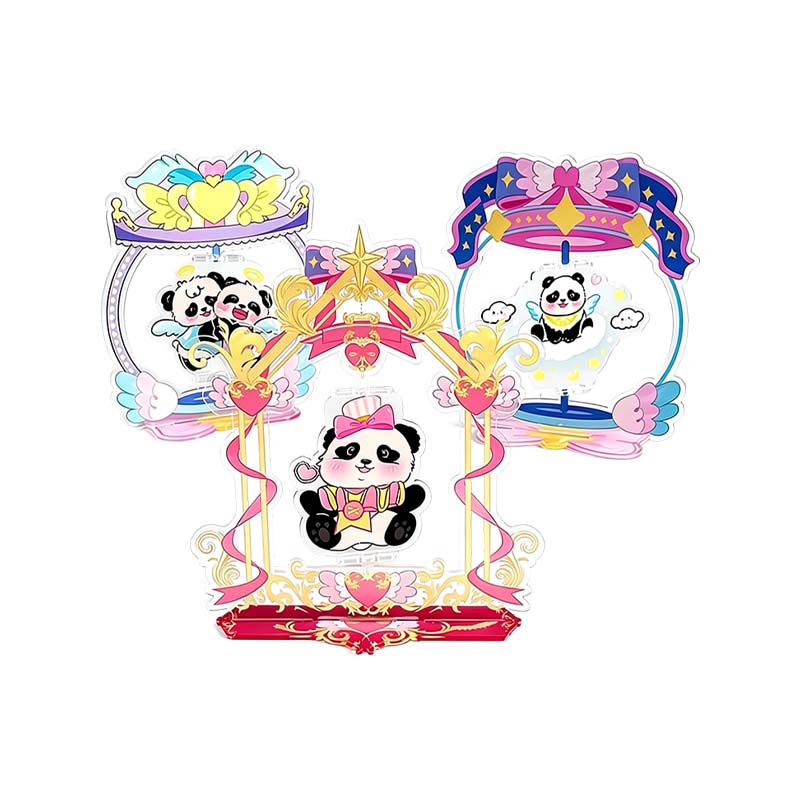
A collection does not need to use identical shapes to look coordinated. Different outlines, illustrations, colors, and decorative details can give each keychain its own character while maintaining a recognizable visual theme.
For example, a collection may use a consistent logo placement or color palette while varying the main illustration across different designs. This approach gives buyers more flexibility when developing promotional gifts, event merchandise, or branded accessories.
From a manufacturing perspective, the key is to define which elements remain consistent and which can change. Clear design rules make it easier to manage multiple product versions without unnecessarily limiting creativity.
Match the Cutting Shape to the Artwork
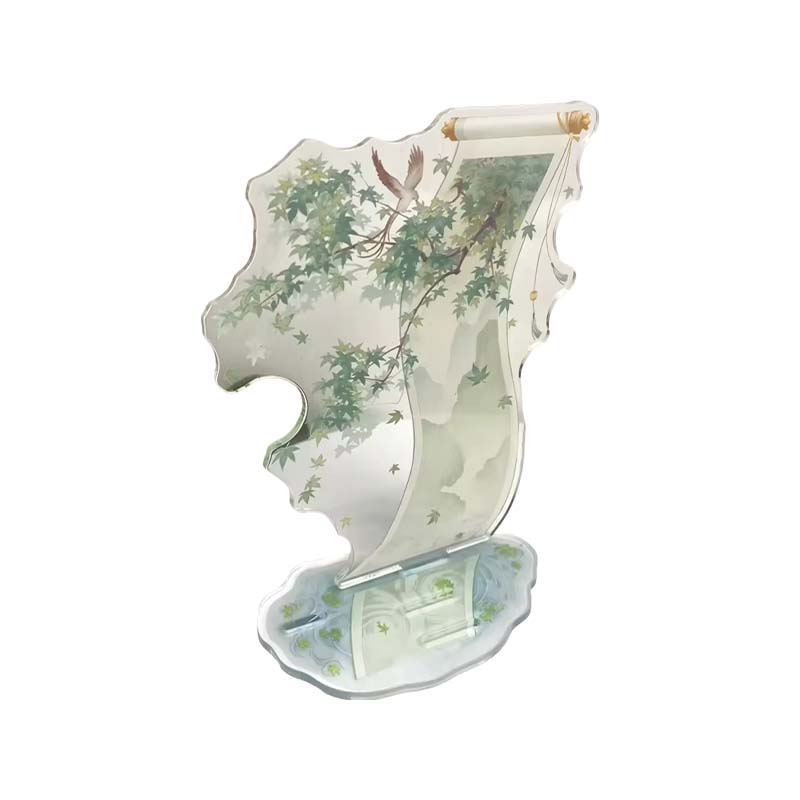
Custom acrylic keychains can be produced in geometric shapes, lettering styles, character outlines, and other application-specific forms. The cutting path should follow the design closely enough to preserve its identity while remaining practical to manufacture.
Very narrow extensions, small openings, and complicated contours deserve additional attention because they can affect the finished shape and the material surrounding attachment holes.
Manufacturers can review these details before production and recommend adjustments where necessary. Buyers should consider the physical dimensions of the finished product, not just the appearance of the artwork on screen.
Coordinate Color Across Multiple Designs
Color consistency becomes more important when several keychains belong to the same collection. Differences in artwork files, printing instructions, or approved color references can lead to noticeable variations between products.
To reduce confusion, buyers should provide clearly identified design files and confirm the required colors before production. When several versions share similar graphics, each file should be labeled according to its corresponding product.
Manufacturers can then use the confirmed references during production checks, helping maintain a coordinated appearance across the collection.
Choose Hardware That Complements Each Design
The attachment component also affects the finished product. A compact logo keychain may suit a simple metal ring, while a larger decorative design may require a different chain or clasp arrangement to achieve suitable proportions.
Buyers should consider the relationship between the acrylic shape, hole position, fitting size, and expected handling. The selected hardware should complement the design without making the product awkward to carry or visually unbalanced.
Confirming these details early can also simplify assembly planning when an order contains multiple styles.
Keep Multiple Product Versions Organized
Orders containing different designs require clear production information. Similar-looking items can easily be confused if artwork versions, specifications, and packaging instructions are not properly identified.
A practical order record should include:
- A unique name or code for each design
- Confirmed dimensions and acrylic thickness
- Approved artwork and printing requirements
- Specified hardware and assembly details
- Individual packaging and labeling instructions
This information helps connect each finished product with its approved specification and supports more orderly repeat purchasing.
Maintain Consistency From Production to Packing
Quality inspection should cover more than print appearance. Manufacturers also need to check cutting accuracy, edge finishing, attachment-hole placement, hardware assembly, and visible surface defects.
For multi-design orders, inspection should verify both the shared requirements across the collection and the details unique to each version. Packaging checks are equally relevant because products with different shapes or fittings may need different protective arrangements.
These controls help buyers receive products that match the intended design and agreed order specifications.
Develop Custom Keychains With a Clear Production Plan
Successful customization combines creative flexibility with practical manufacturing decisions. A Custom Acrylic Keychain Supplier can support this process by coordinating artwork review, material selection, cutting requirements, printing, hardware assembly, and packaging around the buyer's objectives. When each design has clear specifications and consistent quality references, businesses can develop more distinctive acrylic keychain collections while keeping production and repeat orders easier to manage.

Ready to Begin?
Product Categories
Contact Information
 Email:
kaelissia.shop@gmail.com
 Phone:
+86-18968933800
 Address:
No.515, Lingxi Strait Avenue, Cangnan, Wenzhou, Zhejiang, China
QR Code
Copyright © Wenzhou Chuangheng Packaging Co., Ltd. All rights reserved.
