 +86-18968933800
 No.515, Lingxi Strait Avenue, Cangnan, Wenzhou, Zhejiang, China


 English
 Français
 Español
 Deutsch
Industry News ·
Industry News ·
Industry News ·
Industry News ·
Industry News ·
Industry News ·
Industry News ·
Industry News ·
Industry News ·
Industry News ·
Industry News ·
Industry News ·
Industry News ·
Industry News ·
Industry News ·
Industry News ·

What Makes Custom Acrylic Keychains Suitable for Everyday Use?
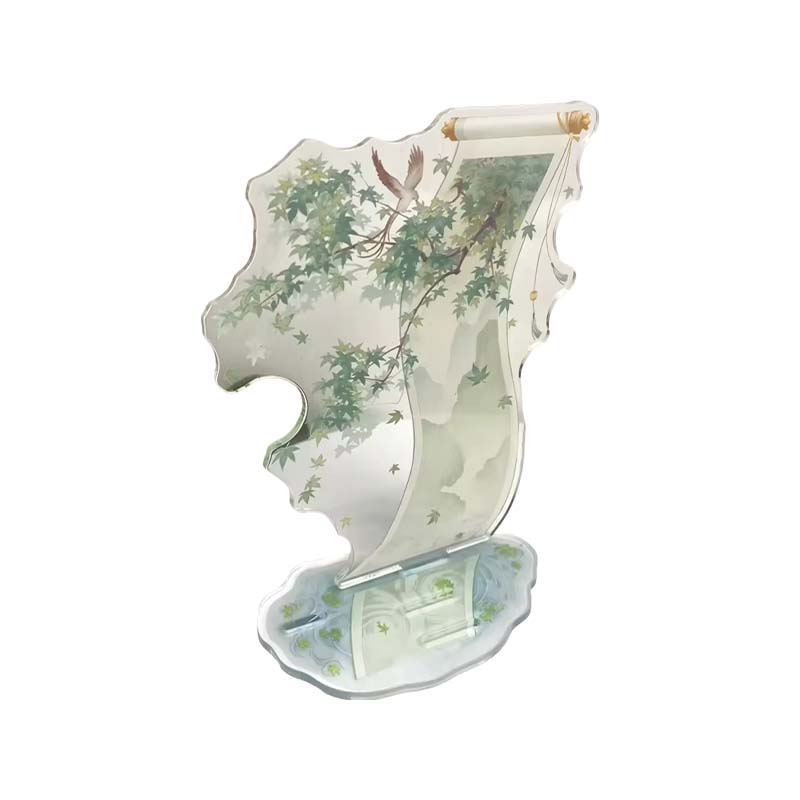
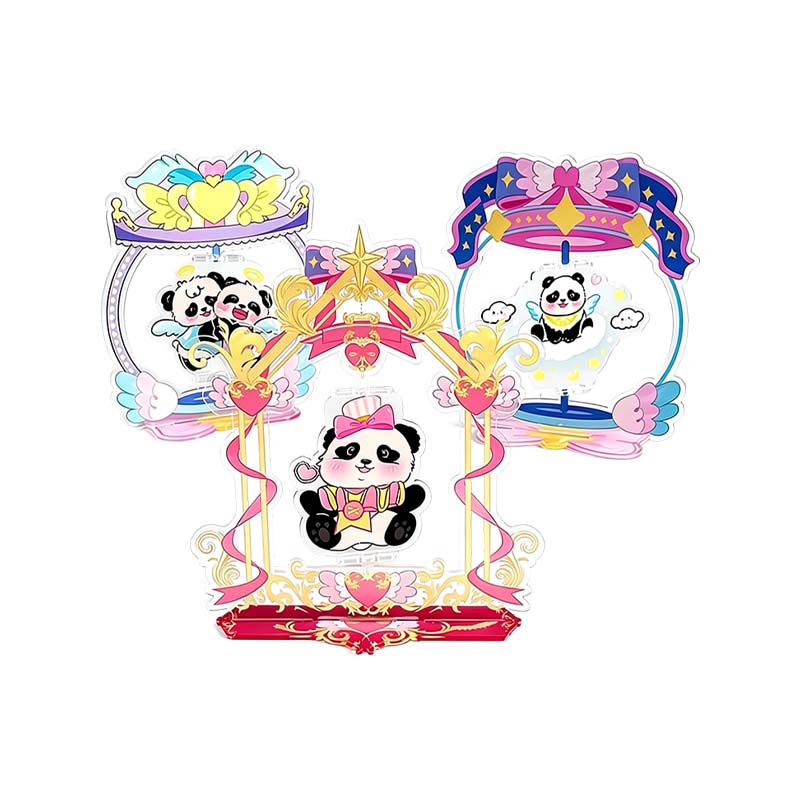
Acrylic keychains are compact accessories, but their performance depends on more than an attractive printed design. They may be attached to keys, bags, backpacks, promotional gifts, or retail merchandise, where repeated handling can expose weaknesses in material selection, edge finishing, and hardware assembly. For businesses sourcing customized accessories, choosing a Custom Acrylic Keychain Supplier involves evaluating how the product is designed and manufactured, not simply how it looks in a digital preview. A well-planned production process helps balance visual appeal with practical requirements.
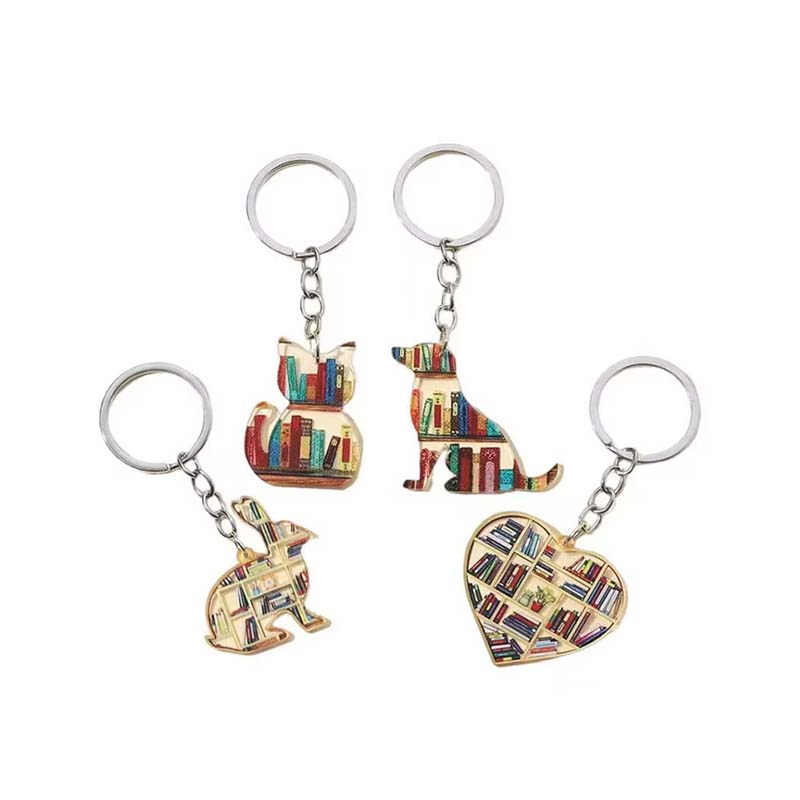
Select Acrylic According to the Product Design
Acrylic offers flexibility in shape, color presentation, and visual style, making it suitable for many customized keychain applications. However, material thickness and overall dimensions should be selected according to the intended design.
A large decorative piece may need a different specification from a compact logo keychain. Thin sections around complex outlines also require attention because the shape can influence the finished product's resistance to handling stress.
Manufacturers should review the size, outline, and attachment position together before confirming the material specification. This helps avoid a design that looks appealing but is difficult to manufacture consistently.
Give Edge Finishing the Attention It Deserves
Cutting quality influences both appearance and handling comfort. Rough edges, uneven contours, or visible imperfections can reduce the perceived quality of an otherwise well-printed keychain.
During production, manufacturers need to control the cutting process and inspect the finished outline. Designs with narrow corners or complicated shapes may require closer review to ensure that important details remain recognizable after fabrication.
Buyers can include edge appearance and acceptable surface condition in their product requirements. Clear expectations make inspection more objective and help reduce disagreements when the finished goods are evaluated.
Check the Connection Between Acrylic and Hardware
The metal ring, chain, or clasp connects the acrylic piece to the item it is intended to accompany. If the fitting is poorly matched to the product, the keychain may feel unbalanced or become inconvenient to use.
Several details deserve consideration:
- The position and size of the attachment hole
- The amount of material surrounding the hole
- The dimensions and style of the metal fitting
- The security of the assembled connection
- The relationship between the fitting and the overall product weight
These details should be confirmed during product development rather than left until final assembly. A suitable combination improves usability while keeping the finished design visually balanced.
Protect Printed Surfaces During Handling
Printed graphics are central to many custom acrylic keychains, particularly those used for branding or character merchandise. Scratches, dust, and contact between products can affect the appearance of the finished surface.
Manufacturers should consider protective film, separation materials, and individual packaging where appropriate. The choice depends on the surface finish, product structure, and shipping arrangement.
Buyers should also clarify whether the protective film needs to remain on the product during packing and whether individual bags or presentation cards are required. These decisions can help reduce avoidable surface damage before the products reach their destination.
Establish Practical Quality Checks
A reliable inspection process should examine the complete product rather than focusing only on the printed image. Manufacturers can check dimensions, cutting accuracy, color appearance, edge condition, attachment placement, and assembly quality.
For orders containing multiple designs, each version should be checked against its approved specifications. Any agreed requirements for packaging and labeling should also be included in the final inspection.
Keeping inspection criteria clear helps align production expectations with the buyer's requirements and provides a more consistent basis for repeat orders.
Consider the Product's Intended Market
Different applications create different priorities. Promotional giveaways may require straightforward designs and efficient packaging, while retail merchandise may place greater emphasis on decorative details and presentation.
Buyers should communicate the intended use, target price range, design complexity, and packaging expectations before production begins. This allows the manufacturer to recommend practical options without adding unnecessary details that increase cost or complicate assembly.
Turn Manufacturing Details Into Better Purchasing Decisions
A dependable custom product comes from coordinated decisions about materials, cutting, printing, fittings, inspection, and packaging. As a Custom Acrylic Keychain Supplier, a manufacturer can help overseas buyers assess these factors before confirming an order. By defining practical requirements early and checking the complete finished item, businesses can source acrylic keychains that reflect their designs while meeting their expectations for appearance, handling, and consistent production.

Ready to Begin?
Product Categories
Contact Information
 Email:
kaelissia.shop@gmail.com
 Phone:
+86-18968933800
 Address:
No.515, Lingxi Strait Avenue, Cangnan, Wenzhou, Zhejiang, China
QR Code
Copyright © Wenzhou Chuangheng Packaging Co., Ltd. All rights reserved.
