 +86-18968933800
 No.515, Lingxi Strait Avenue, Cangnan, Wenzhou, Zhejiang, China


 English
 Français
 Español
 Deutsch
Industry News ·
Industry News ·
Industry News ·
Industry News ·
Industry News ·
Industry News ·
Industry News ·
Industry News ·
Industry News ·
Industry News ·
Industry News ·
Industry News ·
Industry News ·
Industry News ·
Industry News ·
Industry News ·

When Does Better Production Planning Make Custom Acrylic Keychains Easier to Order?
A custom keychain may be small, but producing it consistently involves several connected decisions. Artwork preparation, acrylic dimensions, cutting precision, printing, hardware assembly, and packaging all influence the final result. When one detail is overlooked, buyers may face sample revisions, production delays, or differences between approved designs and finished goods. For businesses developing branded merchandise or promotional accessories, working with a Custom Acrylic Keychain Supplier that considers these factors early can make the ordering process more predictable and help turn creative concepts into production-ready products.
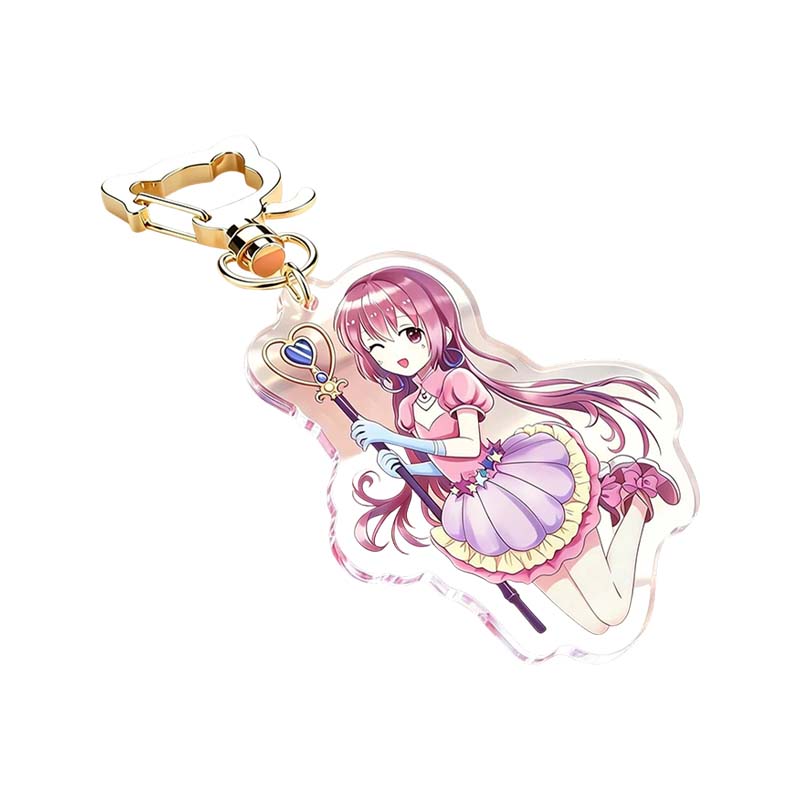
Review the Design Before Confirming Production
A production plan should begin with a careful review of the supplied artwork. Some designs contain small text, narrow gaps, complicated outlines, or decorative details that are difficult to reproduce at a compact size. These elements may look clear on a large screen but become less distinct when transferred to a physical keychain.
Manufacturers can review the artwork alongside the intended dimensions and identify details that may need adjustment. The goal is not to simplify every design, but to understand its manufacturing requirements before materials and production time are committed.
Buyers can support this process by providing clear artwork files, confirming the final size, and identifying which visual details must remain unchanged.
Confirm Material and Dimensions Together
Acrylic selection should be considered alongside the product's shape, size, and intended use. A large decorative keychain and a small logo accessory may require different thicknesses and proportions to achieve a suitable appearance.
Manufacturers should also examine the relationship between the cutting outline and the available material. Narrow sections or closely spaced openings can create challenges during fabrication, so the design needs to be reviewed as a complete structure rather than as an image alone.
Confirming these details before sampling helps prevent unnecessary changes after the first physical version has been produced.
Make Sampling a Practical Checkpoint
A sample gives buyers and manufacturers a shared reference for evaluating the proposed design. It allows details that are difficult to judge from digital artwork to be checked in physical form.
During sample approval, buyers should pay attention to:
- Overall dimensions and shape accuracy
- Acrylic thickness and visual clarity
- Print position, color appearance, and fine details
- Edge finishing and attachment-hole placement
- Metal fitting size and assembly
- Protective packaging and presentation
Feedback should be specific. Instead of requesting a general improvement in appearance, buyers can identify the exact area that needs adjustment. This makes revisions easier to communicate and helps establish a clearer standard before mass production begins.
Coordinate Each Manufacturing Stage
Cutting, printing, assembly, and packaging are connected stages rather than independent tasks. A change in the artwork or dimensions may affect cutting arrangements, while a different fitting can influence hole placement and assembly requirements.
A coordinated production workflow helps ensure that approved specifications are communicated to the relevant manufacturing stages. It also reduces the risk of different teams working from outdated design files or inconsistent product information.
For orders containing several designs, each version should have clear identification. This is particularly useful when products share similar colors or shapes but require different printed graphics or accessories.
Control Quality Beyond the Printed Surface
An attractive design is only one part of a finished keychain. Buyers also need to consider cut edges, fitting security, assembly consistency, and protection during transportation.
Manufacturers can establish inspection checkpoints throughout production instead of waiting until the order is fully packed. These checks may include dimensional verification, print inspection, visual examination of the acrylic, and confirmation that the fittings are assembled correctly.
The inspection method should reflect the product's structure and the agreed specifications. Maintaining a clear reference sample and documenting approved changes can also help keep repeat orders aligned with the original requirements.
Plan Packaging Before the Final Stage
Packaging should be discussed while the product is being developed. Individual protective bags, backing cards, retail packaging, and bulk packing arrangements serve different purposes and may require different preparation steps.
Acrylic surfaces can be affected by contact with other items during handling and transportation. Packaging should therefore be selected to suit the product dimensions, shape, and metal accessories. Confirming packaging requirements early also gives the manufacturer more time to coordinate materials and packing procedures.
Turn Clear Specifications Into Repeatable Orders
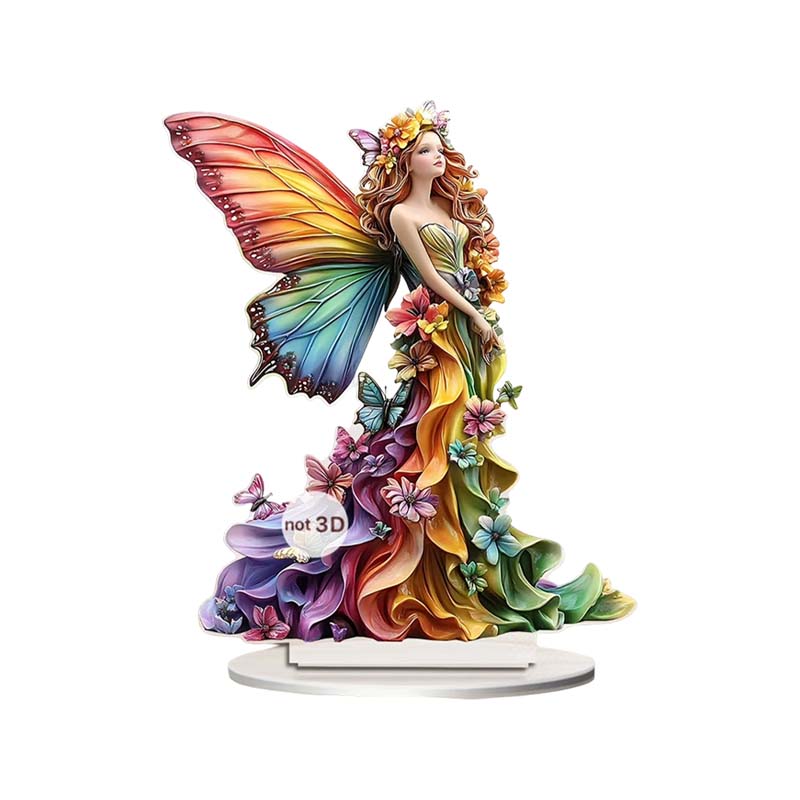
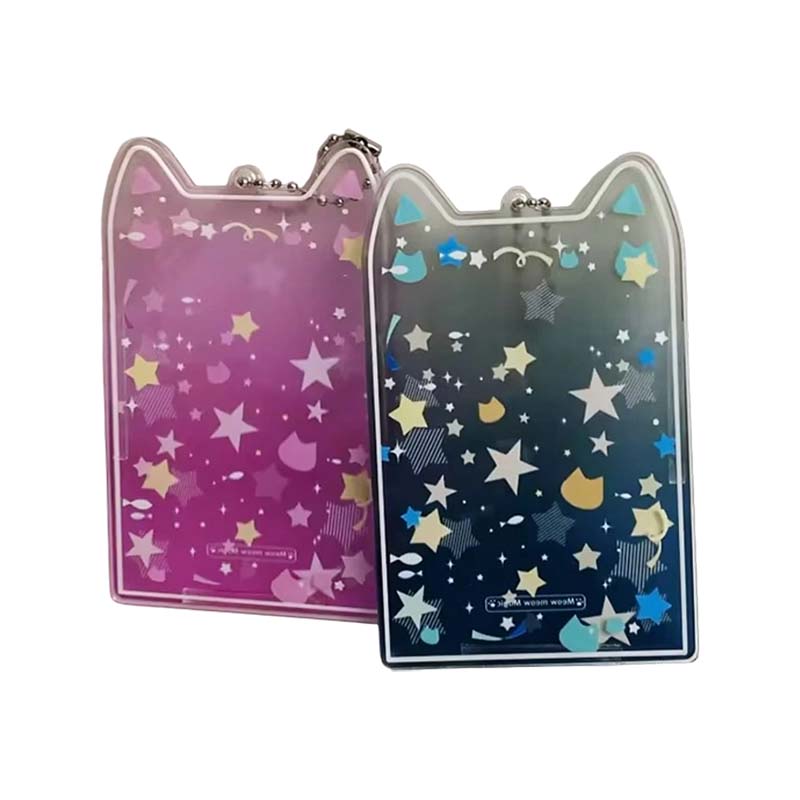
Efficient customization depends on more than a creative design. Buyers should confirm artwork, dimensions, material thickness, printing details, fittings, packaging, quantity, and delivery expectations before production starts. As a Custom Acrylic Keychain Supplier, a manufacturer can use these requirements to coordinate sampling, production, inspection, and packing while maintaining a consistent reference for future orders. With clear communication and a structured manufacturing process, custom acrylic keychains can be developed with fewer avoidable revisions and a closer match between the approved sample and the finished batch.
Ready to Begin?
Product Categories
Contact Information
 Email:
kaelissia.shop@gmail.com
 Phone:
+86-18968933800
 Address:
No.515, Lingxi Strait Avenue, Cangnan, Wenzhou, Zhejiang, China
QR Code
Copyright © Wenzhou Chuangheng Packaging Co., Ltd. All rights reserved.
