 +86-18968933800
 No.515, Lingxi Strait Avenue, Cangnan, Wenzhou, Zhejiang, China


 English
 Français
 Español
 Deutsch
Industry News ·
Industry News ·
Industry News ·
Industry News ·
Industry News ·
Industry News ·
Industry News ·
Industry News ·
Industry News ·
Industry News ·
Industry News ·
Industry News ·
Industry News ·
Industry News ·
Industry News ·
Industry News ·

Are Your Trading Cards Properly Protected for Long-Term Display?
Trading cards are no longer simply items kept in binders or storage boxes. Sports cards, collectible game cards, limited editions, and special releases are increasingly displayed as part of personal collections, retail presentations, and hobby exhibitions. However, displaying valuable cards introduces a practical challenge: how can collectors keep cards visible while reducing exposure to dust, scratches, handling, and accidental damage? A well-designed Acrylic Trading Card Display Case can help address these concerns, but buyers need to look beyond appearance when evaluating a display solution. For manufacturers and distributors, understanding how collectors use these cases is essential to developing products that meet real market expectations.
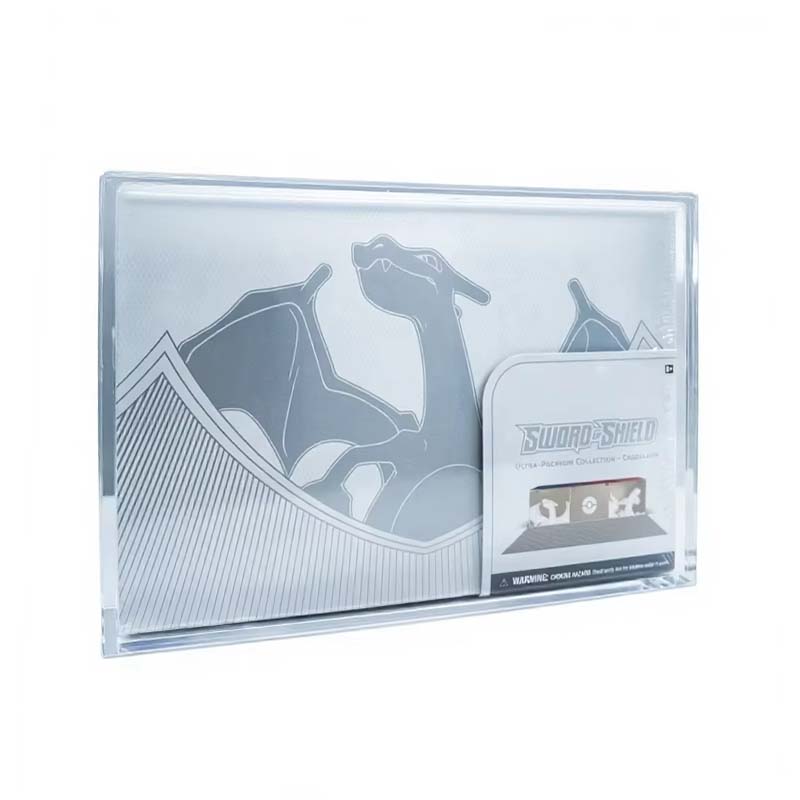
Clear Visibility Should Not Come at the Expense of Protection
A display case has two main purposes: presenting the card and helping protect it during display. If the material is cloudy, scratched, or poorly finished, the card may lose some of its visual appeal. On the other hand, a case that is difficult to open or handle may create unnecessary risks when collectors need to access their items.
Acrylic is widely used for collectible displays because it offers clear visibility and can be fabricated into different shapes and structures. During product development, manufacturers should pay attention to material clarity, surface finish, edge treatment, and the overall construction. These details influence how the finished case looks under indoor lighting and how comfortably it can be handled.
Card Dimensions Must Be Considered Before Production
Trading cards come in different formats, and some collectors use protective sleeves or rigid holders before placing cards into a display case. A case designed around the card alone may not provide enough internal space for these additional protective layers.
Before placing a bulk order, buyers should confirm:
- The card dimensions and thickness
- Whether cards will be displayed with sleeves or rigid holders
- The required internal clearance
- The opening and removal method
- Whether the case needs to accommodate one card or multiple items
For distributors offering several display options, providing clear size information can also reduce customer confusion and unnecessary returns.
Surface Quality Matters in Everyday Display Environments
Acrylic display products are often placed on desks, shelves, retail counters, and exhibition stands. These locations expose the case to regular handling, cleaning, and contact with other objects.
Surface scratches can affect the appearance of a transparent display, especially when light reflects across the front panel. Manufacturers should therefore consider protective packaging, careful handling during assembly, and suitable surface protection during transportation. Buyers should also understand that acrylic requires appropriate cleaning methods. Abrasive cloths and unsuitable cleaning chemicals may damage its surface.
Providing simple care instructions can help retailers and collectors maintain the appearance of their display cases.
Stability Is Important for Shelf and Countertop Displays
A display case should remain properly positioned during normal use. An unstable base or poorly balanced structure can make a product less suitable for crowded shelves, retail counters, or desktop collections.
Manufacturers need to consider the relationship between the case dimensions, base design, material thickness, and overall weight distribution. The intended placement environment should also be discussed during customization. A compact desktop display may require a different structural approach from a larger presentation case intended for a retail environment.
Customization Creates More Options for Different Collectors
Not every buyer has the same display requirements. Individual collectors may prefer a simple transparent case, while retailers and promotional product buyers may need customized dimensions, branding, or packaging.
Depending on the product design and manufacturing capabilities, customization may involve:
- Different case dimensions and internal layouts
- Base styles and opening structures
- Logo placement or printed branding
- Packaging suitable for retail distribution
- Display solutions for specific card holders
Discussing these details before sampling helps buyers confirm whether the proposed design matches their intended market.
Packaging Deserves Attention During Bulk Purchasing
For overseas distributors, product quality is only one part of the purchasing decision. Acrylic cases must also arrive in suitable condition after international transportation. Transparent surfaces are particularly sensitive to visible scratches, so packaging design should be considered during the production process rather than treated as a final detail.
Manufacturers can evaluate protective films, individual product wrapping, internal separation, and carton arrangements according to the product structure and shipping requirements. Buyers should review packaging samples alongside the display case itself before confirming a larger order.
Work With a Manufacturer That Understands Display Requirements
A suitable trading card display is the result of several design decisions working together, including material selection, dimensional accuracy, surface finishing, structural stability, and packaging. As an Acrylic Trading Card Display Case manufacturer, we understand that overseas buyers need products that balance presentation with practical protection. By discussing card formats, holder compatibility, customization preferences, and distribution requirements at the beginning of a project, buyers can develop display cases that better serve collectors, hobby retailers, and commercial display applications.

Ready to Begin?
Product Categories
Contact Information
 Email:
kaelissia.shop@gmail.com
 Phone:
+86-18968933800
 Address:
No.515, Lingxi Strait Avenue, Cangnan, Wenzhou, Zhejiang, China
QR Code
Copyright © Wenzhou Chuangheng Packaging Co., Ltd. All rights reserved.
