 +86-18968933800
 No.515, Lingxi Strait Avenue, Cangnan, Wenzhou, Zhejiang, China


 English
 Français
 Español
 Deutsch
Industry News ·
Industry News ·
Industry News ·
Industry News ·
Industry News ·
Industry News ·
Industry News ·
Industry News ·
Industry News ·
Industry News ·
Industry News ·
Industry News ·
Industry News ·
Industry News ·
Industry News ·
Industry News ·

Could Poor Packaging Undermine the Quality of Your Acrylic Trading Card Display Cases?
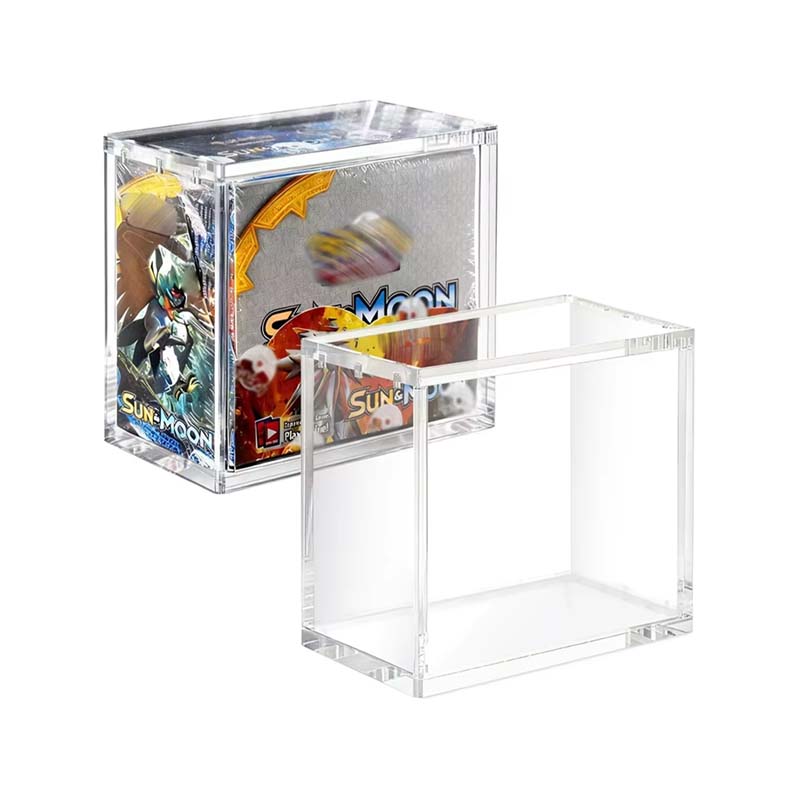
For international trading card retailers and collectible accessory distributors, product quality does not end when manufacturing is completed. A display case may have excellent transparency and a carefully designed structure, but scratches, cracked corners, or loose components during transportation can still create customer dissatisfaction. As collectors become more attentive to the condition and presentation of their purchases, packaging and quality control deserve greater attention. Choosing a reliable Acrylic Trading Card Display Case manufacturer means considering not only product design but also how each unit is protected throughout storage, handling, and international delivery.
Why Is Packaging Becoming an Important Purchasing Consideration?
Trading card accessories are increasingly sold through online stores, specialty retailers, and international distribution networks. Unlike products that are rarely inspected closely, transparent acrylic displays expose surface imperfections easily. Even minor scratches or uneven edges may affect how customers perceive the finished product.
Recent collectibles industry research also highlights the growing importance of packaging quality in purchasing decisions. This creates an opportunity for display case suppliers to improve their packaging processes rather than treating packaging as an afterthought.
For wholesale buyers, the goal is straightforward: receive products in the same condition and appearance that were approved during sampling.
What Are the Common Risks During Transportation?
Acrylic display cases require appropriate handling because their transparent surfaces and rigid structures can be vulnerable to certain types of damage.
Several problems deserve attention during packaging design:
- Surface scratches: Friction between acrylic panels or contact with other objects can leave visible marks.
- Corner damage: Poor cushioning may expose edges to impact during loading and unloading.
- Component movement: Loose bases, covers, or accessories may shift inside cartons.
- Pressure damage: Improper stacking can place unnecessary stress on individual products.
- Dust and contamination: Inadequate wrapping may affect the appearance of transparent surfaces.
Identifying these risks before mass production helps manufacturers select suitable protective materials and packaging methods.
How Should Manufacturers Protect Acrylic Surfaces?
Surface protection should begin before the finished product leaves the production area. Acrylic panels need careful handling during cutting, polishing, bonding, and final assembly.
Depending on the product structure, manufacturers can use protective films to reduce surface contact during processing and transportation. Individual wrapping, foam inserts, and internal dividers can provide additional separation between components.
Packaging design should also consider the actual shape of the display case. A single-card display, a multi-card holder, and a larger countertop enclosure may require different protective arrangements.
The objective is to prevent unnecessary movement while keeping the packaging practical for warehouse handling and distribution.
Does Product Structure Affect Shipping Efficiency?
Yes. Display case dimensions, panel thickness, opening methods, and assembly structures all influence carton size and shipping arrangements.
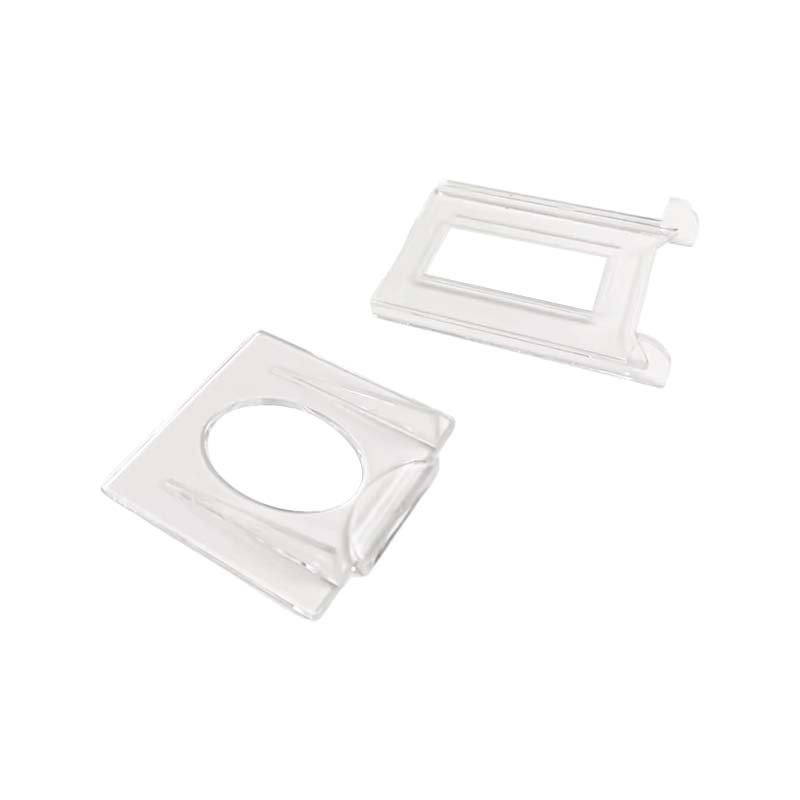
For example, a fully assembled display case may be convenient for end users but occupy more transportation space. A detachable or knock-down design may improve packing efficiency, provided that customers can assemble it easily and securely.
Manufacturers should evaluate several factors before confirming a packaging solution:
- Overall product dimensions and weight.
- Number of units packed in each carton.
- Separation between acrylic components.
- Protection around corners and exposed edges.
- Ease of unpacking and final assembly.
Balancing protection with packaging efficiency helps importers manage transportation costs without compromising the product's presentation.
What Quality Checks Should Be Completed Before Shipment?
A consistent inspection process helps reduce avoidable problems in wholesale orders. Manufacturers should establish clear inspection requirements based on approved samples and product specifications.
For acrylic trading card displays, important inspection points include:
- Material appearance: Check for visible scratches, discoloration, and surface defects.
- Dimensional accuracy: Confirm that internal and external measurements meet the approved requirements.
- Assembly quality: Inspect bonding, panel alignment, and structural stability.
- Functional performance: Test magnetic closures, removable covers, or other moving components where applicable.
- Packaging condition: Verify that protective films, inserts, and cartons are properly installed.
These checks provide buyers with a clearer understanding of product consistency before goods enter international distribution.
How Can Buyers Evaluate a Reliable Display Case Supplier?
When comparing manufacturers, buyers should look beyond quotations and product photographs. A supplier's ability to understand application requirements, maintain consistent production standards, and communicate packaging details is equally important.
Before confirming an order, consider requesting a physical sample, reviewing the packaging structure, and discussing the inspection criteria. Buyers should also clarify how defective products, replacement components, and transportation-related issues will be handled.
For private-label projects, logo placement, product labels, retail packaging, and carton specifications should be confirmed during the sampling stage rather than postponed until production is underway.
How Manufacturers Can Support More Reliable Bulk Purchasing
As an acrylic display case manufacturer, we recognize that different buyers have different distribution requirements. Collectible retailers may prioritize attractive individual packaging, while importers and wholesalers may focus more on carton efficiency, product consistency, and repeat-order stability.
Our approach is to evaluate product dimensions, structural requirements, finishing details, and packaging arrangements together during project development. Buyers can provide drawings, reference photographs, or product samples to help establish suitable specifications before bulk manufacturing.
A well-produced display case should arrive ready for its intended application, not require additional correction after delivery. By paying attention to manufacturing details and protective packaging, an Acrylic Trading Card Display Case can offer collectors an appealing presentation while helping distributors maintain a more dependable product supply.





Ready to Begin?
Product Categories
Contact Information
 Email:
kaelissia.shop@gmail.com
 Phone:
+86-18968933800
 Address:
No.515, Lingxi Strait Avenue, Cangnan, Wenzhou, Zhejiang, China
QR Code
Copyright © Wenzhou Chuangheng Packaging Co., Ltd. All rights reserved.
